Trituradora de biomasa BMS
- Permite aprovechar materiales difíciles de fermentar, como el estiércol sólido
- Rendimiento máximo de más de 15 t/h
- Aumenta el rendimiento de biogás y evita la formación de capas flotantes
- No se obstruye y es resistente a las impurezas
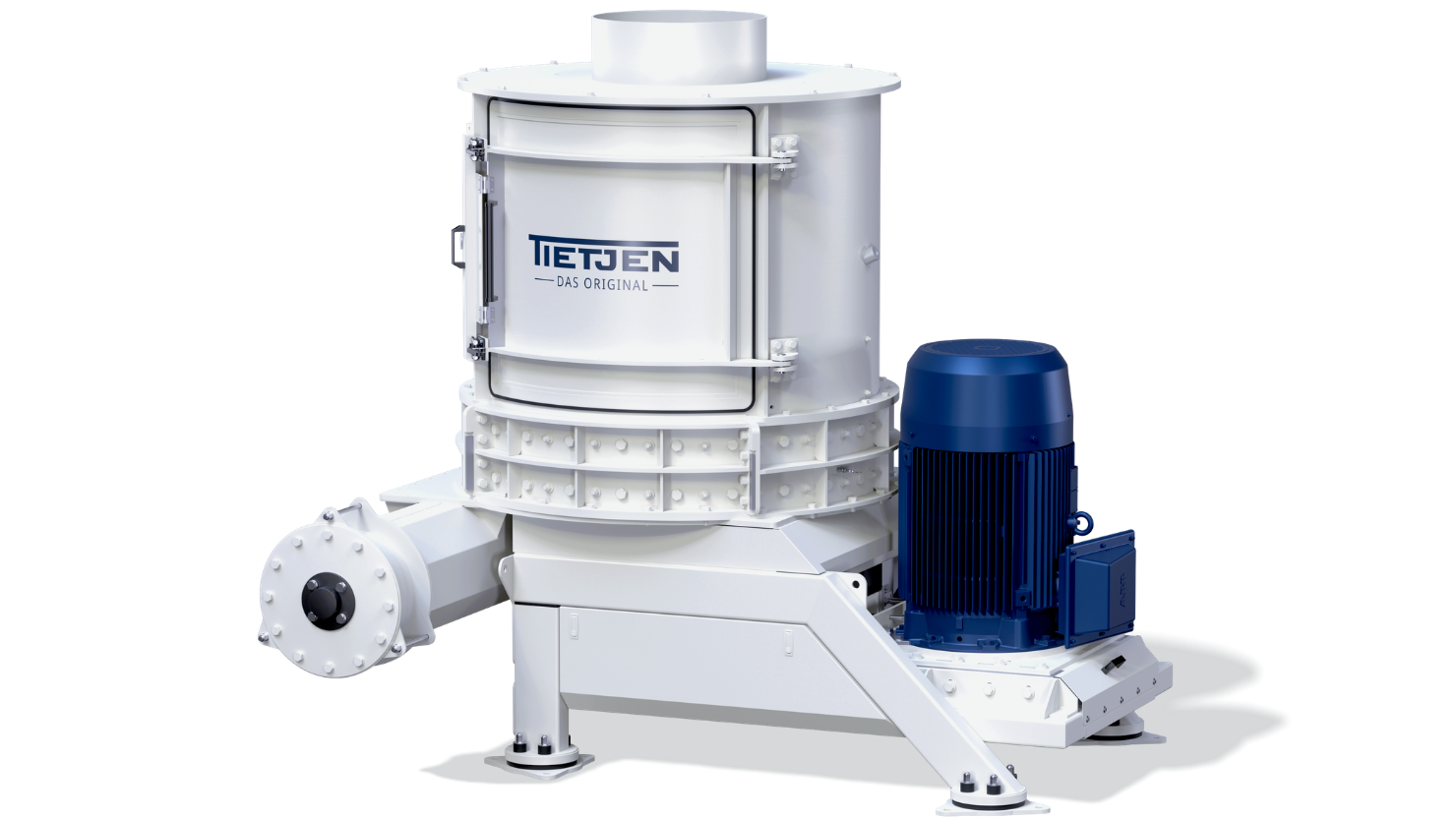

Trituradora para plantas de biogás
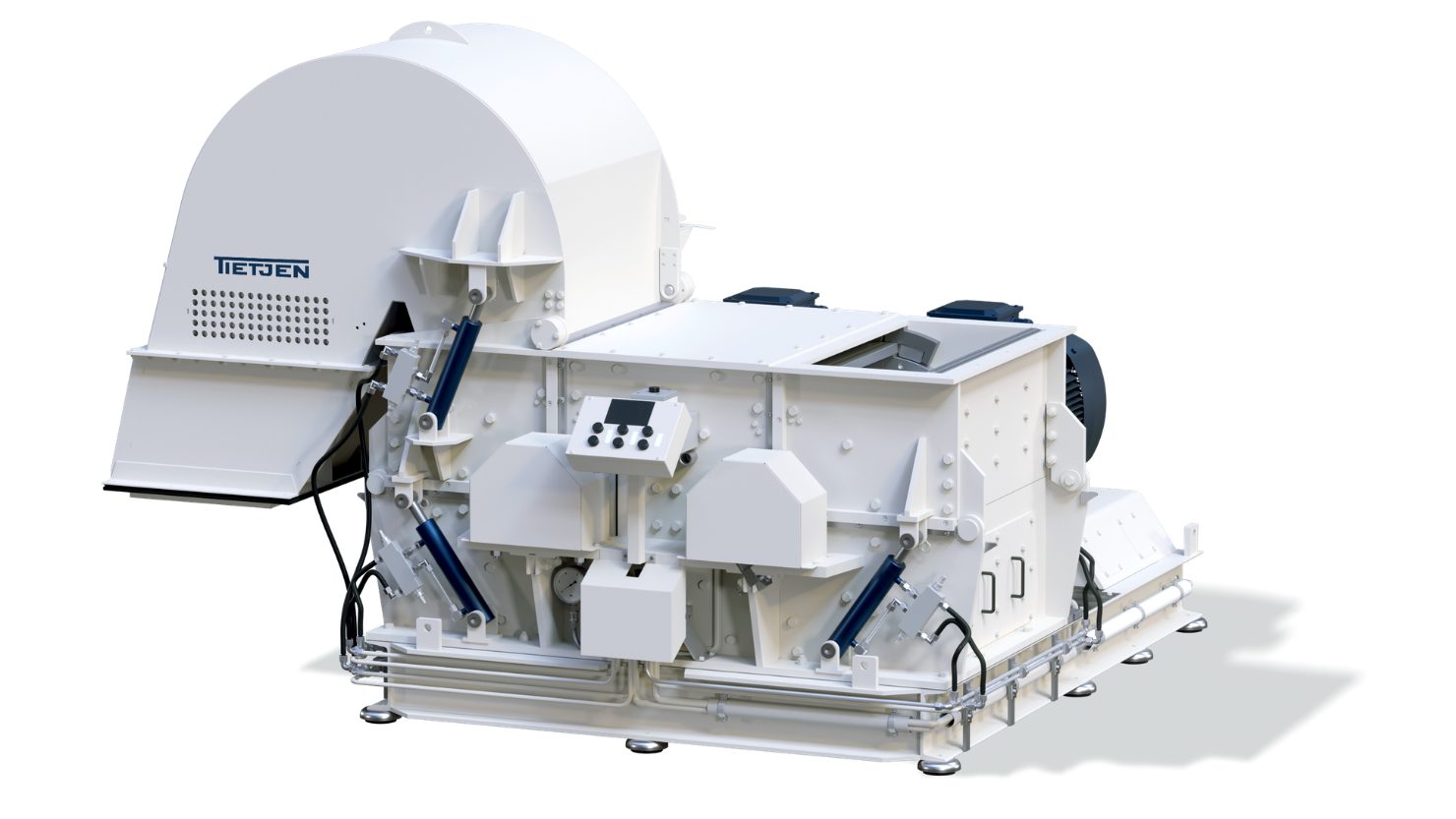
La trituradora de biomasa BMS es una trituradora vertical que procesa de forma efi ciente y homogénea biomasas para plantas de biogás. La trituración y el desfi brado dan como resultado un mayor rendimiento de gas y permiten aprovechar materias difíciles como estiércol sólido, ensilajes, pasto, paja, remolachas azucareras u otros cultivos.
Sus ventajas
- Desintegración efi caz incluso de los sustratos más difíciles
- Flexibilidad y rentabilidad por el uso de materias primas alternativas altamente fi brosas
- Alta capacidad > 15 t/h (dependiendo del sustrato)>
- Optimización de los procesos de bombeo y agitación, minimización de la capa fl otante
- Construção robusta e soldada para operação industrial contínua (24/7)
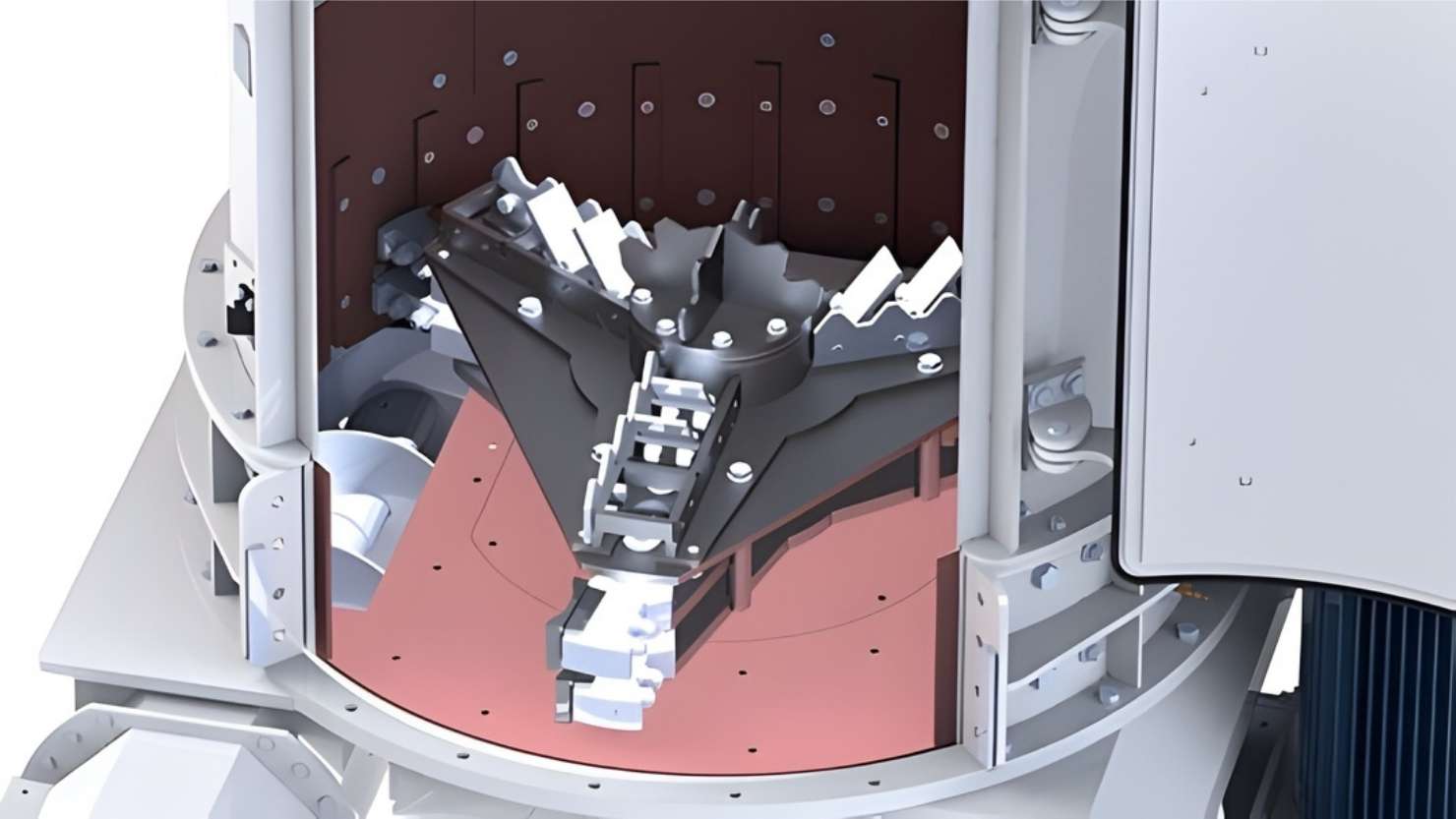
- Piezas de impacto y batidores fabricados con materiales resistentes al desgaste, como el acero resistente al desgaste y el carburo de tungsteno
- Funcionamiento sin obstrucciones, gracias a la descarga situada en el fondo de la cámara de impacto
- Insensible a materiales ajenos ya que no se utilizan herramientas afi ladas
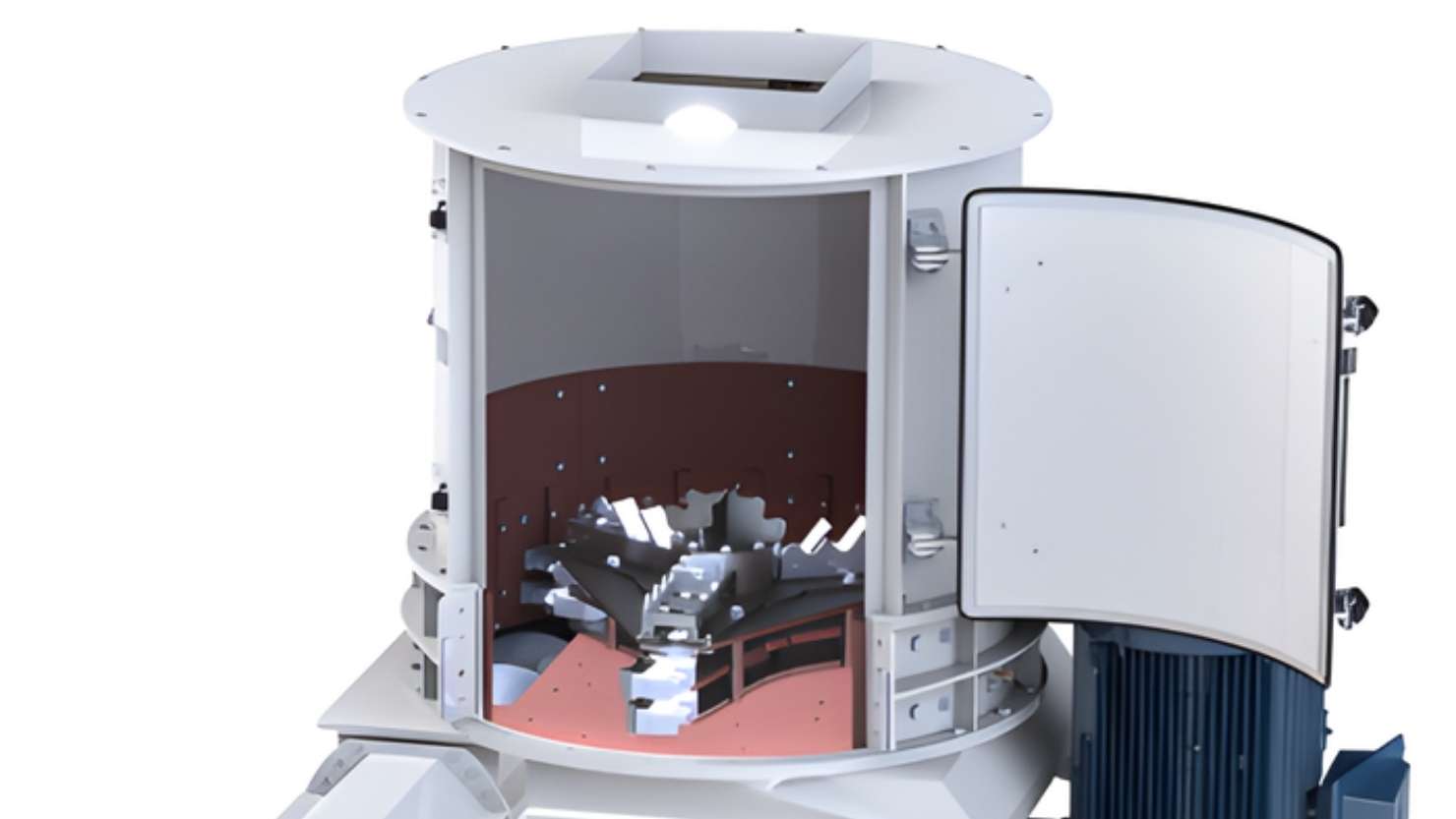
- La puerta de mantenimiento amplia con plataforma garantiza máxima accesibilidad
- La posición de la puerta de mantenimiento es ajustable en pasos de 90° según las condiciones in situ
- El de desgaste es mínimo, gracias a los dientes de los martillos reemplazables
- Fácil cambio de las placas de desgaste, gracias a su atornillado externo
- Fácil extracción de piezas pesadas mediante desplazamiento con grúa con polipasto de cadena (opcional)
- Seguridad de puerta con sistema de bloqueo con llave captiva
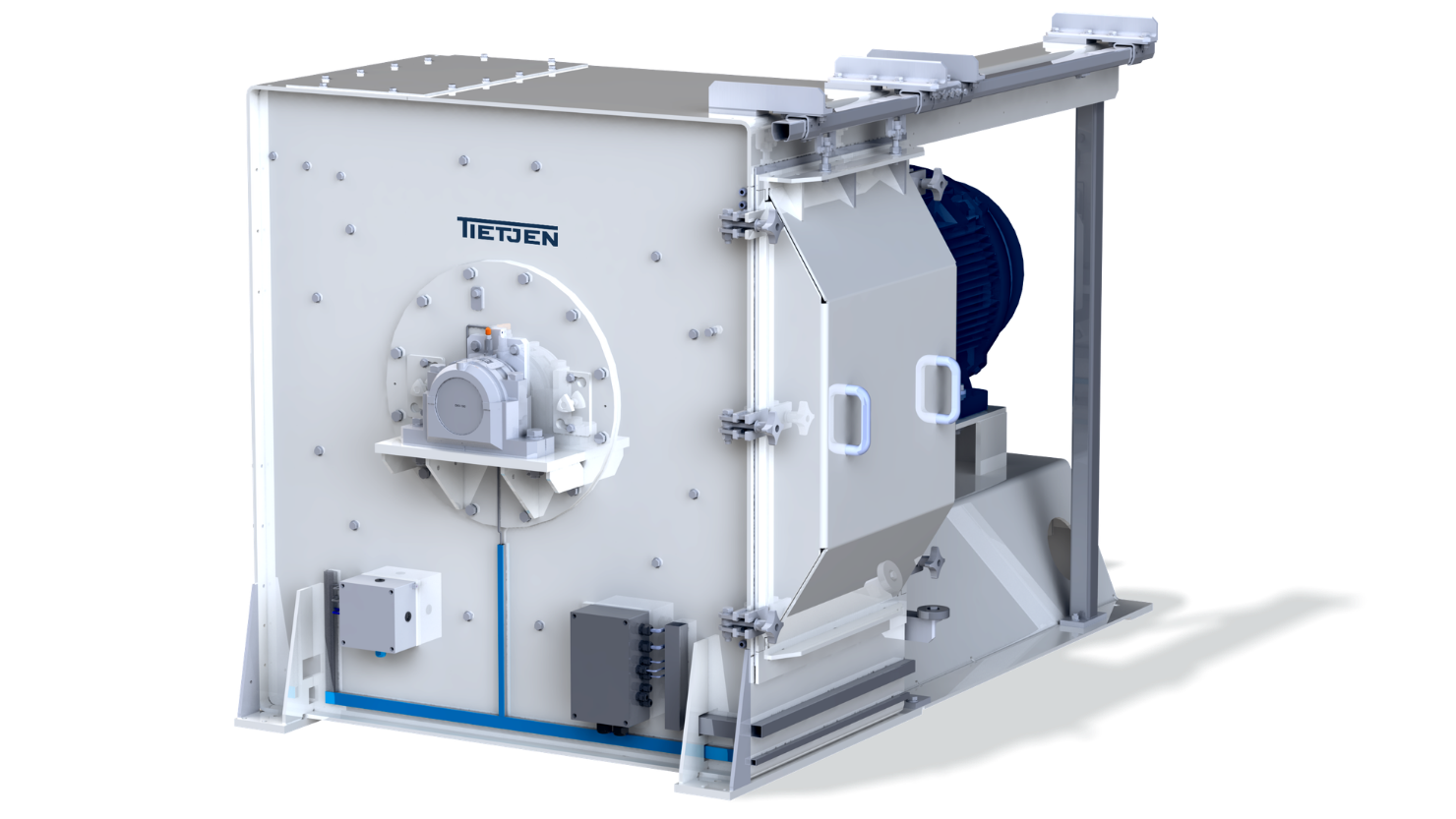
- Control del desequilibrio, de materiales extraños y de vibraciones mediante del sensor de vibraciones
- Sensores para controlar la temperatura de los rodamientos


Datos técnicos
| Tipos de máquinas | BMS 1200 | BMS 1500 | BMS 1500-L |
| Capacidad (t/h) | hasta 10 t/h | > 15 t/h | > 15 t/h |
| Velocidad de giro del rotor (1/min) | 1000 – 1200 rpm | 750 – 900 rpm | 750 – 900 rpm |
| Número de martillos (piezas) | 4 | 6 | 6 |
| Dimensiones y pesos | |||
| Diámetro de la carcasa (mm) | 1200 mm | 1500 mm | 1500 mm |
| Altura de la carcasa (mm) | 1290 mm | 1210 mm | 1510 mm |
| Longitud x anchura x altura (mm) | 2535 x 1546 x 2440 mm | 2700 x 1730 x 2360 mm | 2700 x 1730 x 2660 mm |
| Peso con motor (aprox. kg) | 3600 kg | 4800 kg | 4900 kg |
| Accionamiento | |||
| Motor trifásico (kW) | 55/75/90 kW | 110/132 kW | 110/132 kW |
Descargar
Todo sobre el BMS
Al cortar simplemente las cañas, las capas protectoras de lignina del exterior permanecen prácticamente intactas. Solo se rompe esta capa en los bordes cortados. De este modo, las superficies expuestas a la descomposición microbacteriana son mucho más pequeñas que en el desfibrado, en el que se destruye prácticamente toda la estructura de la caña. La superficie específica disponible para la descomposición por parte de los microorganismos es mucho mayor en el caso de la desfibración. Esto conduce a una descomposición más rápida y completa de la sustancia orgánica contenida y, por lo tanto, a un aumento del rendimiento de biogás. Al mismo tiempo, se ahorra energía de agitación y se minimiza el riesgo de capas flotantes.
La biomasa, como el estiércol sólido, la paja o el ensilado, se introduce en la máquina desde arriba, se tritura previamente con un peine de desgarro situado encima del rotor y, a continuación, llega a la zona de impacto. Aquí, un rotor de giro rápido con martillos y listones de impacto de material resistente al desgaste tritura la biomasa.
Los martillos montados en el rotor provocan un desfibrado romo, de modo que se obtiene un sustrato homogéneo y bien descompuesto, ideal para la fermentación anaeróbica.
Durante el desarrollo de la trituradora de biomasa BMS se prestó especial atención a la facilidad de mantenimiento. Se tuvieron en cuenta tanto el tiempo y los costes como la ergonomía del mantenimiento:
- Costes mínimos de desgaste gracias a los dientes intercambiables del martillo.
- Placas de desgaste fáciles de cambiar gracias a los tornillos externos
- La gran puerta de mantenimiento garantiza la máxima accesibilidad
- Plataforma de mantenimiento en la puerta de mantenimiento
- Fácil desmontaje de piezas pesadas gracias a la traviesa con polipasto de cadena (opcional)
Entrada líquida o seca en la planta de biogás: ¡el BMS puede con ambas!
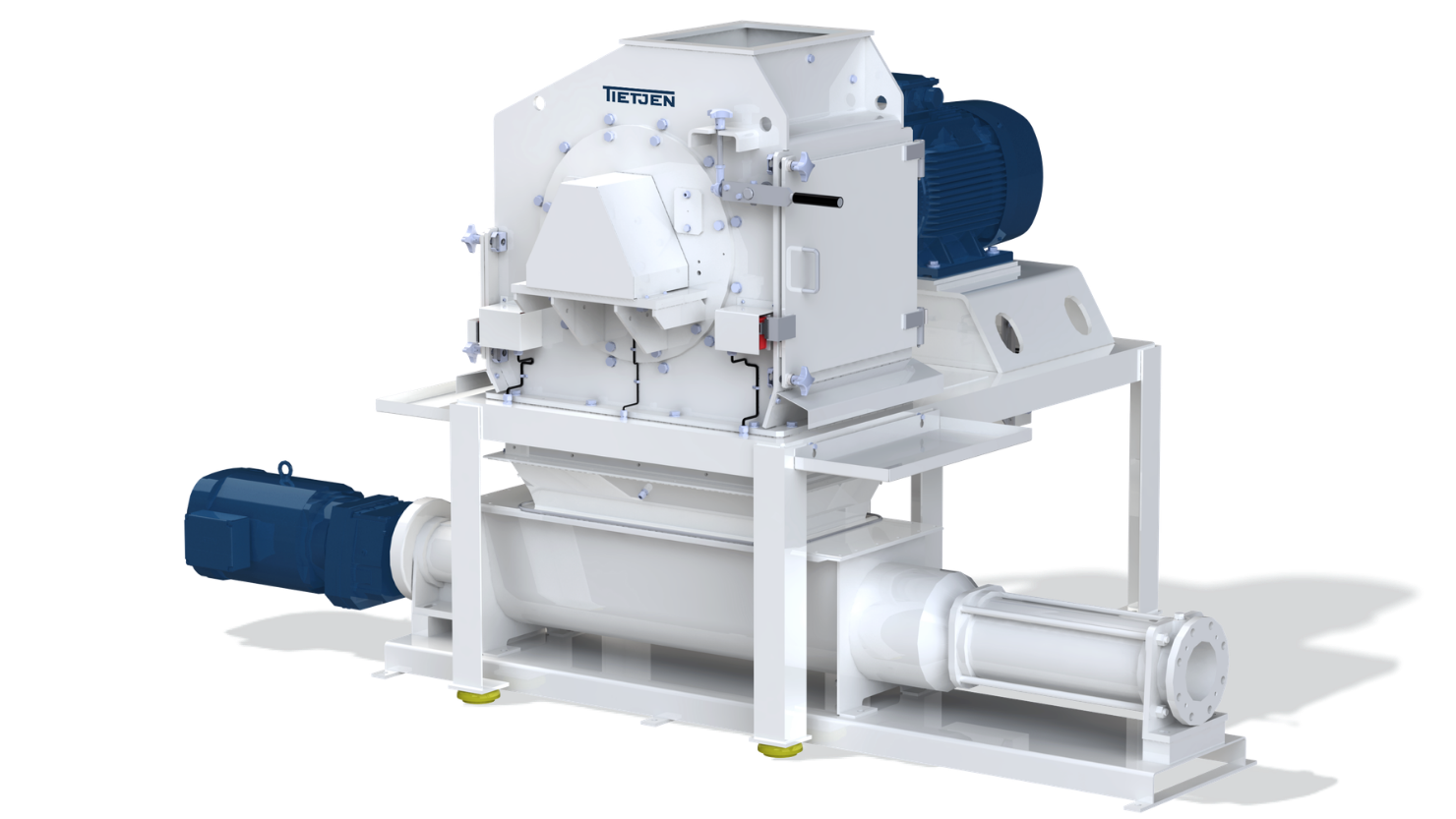
La trituradora de biomasa BMS le ofrece la máxima flexibilidad en la alimentación de sustrato al fermentador. Tras la trituración del sustrato, este puede transportarse mediante un sinfín o mediante «alimentación líquida» a través de un sistema de bombeo, según las necesidades de su planta de biogás.
La alimentación líquida mediante bombas permite el transporte a largas distancias, puede abastecer a varios fermentadores al mismo tiempo y permite la mezcla de líquidos antes del fermentador.
La BMS se puede integrar fácilmente en una alimentación líquida.
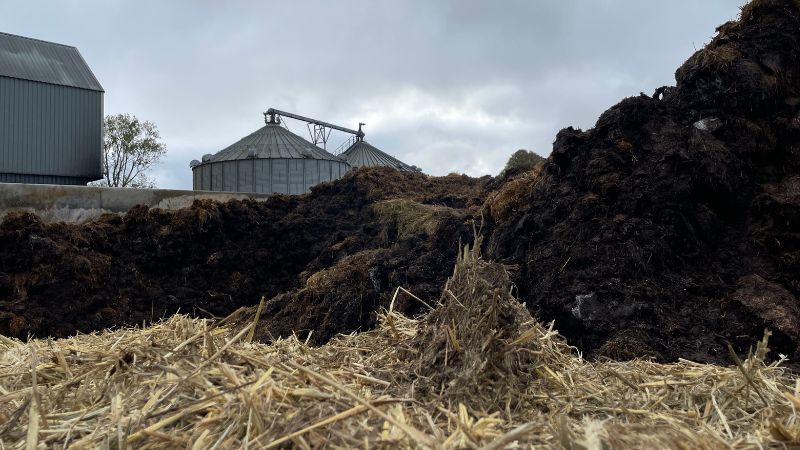
La trituradora de biomasa BMS ayuda a los operadores de plantas de biogás a hacer disponibles para la planta de biogás sustratos que antes eran difíciles de fermentar. Ejemplos típicos son el estiércol sólido, el estiércol de cerdo o la paja.
Además de su uso en plantas de biogás, el BMS también puede triturar corteza, madera o miscanthus. Las áreas de aplicación típicas son, por ejemplo, la producción de sustitutos de la turba, pellets o mantillo.
La BMS funciona sin tamices. Por lo tanto, no hay riesgo de obstrucción o daños por sustancias extrañas. La biomasa se tritura entre los martillos y la zona de impacto. De este modo, se destruye eficazmente la estructura de los tallos y se hace que los componentes fermentables sean accesibles de manera eficiente para los microorganismos. Las fibras largas se acortan adicionalmente mediante los peines de arroz. La finura se determina mediante los factores de velocidad del rotor, forma de los martillos, rendimiento y tamaño de la abertura de salida. Por lo tanto, el cliente puede determinar la finura por sí mismo. Todos los tallos se destruyen por completo.
Existe una distribución del tamaño de las partículas. Algunos componentes de las pajas desfibradas pueden alcanzar longitudes de hasta 10 cm. La mayoría de los componentes son considerablemente más cortos. Sin embargo, en principio todas las fibras están trituradas/molidas. Por lo tanto, la longitud de la fibra por sí sola no es una buena medida para determinar la trituración. Más importante es la desintegración. Nuestros operadores están muy satisfechos con ello.
El BMS ha sido desarrollado por Tietjen y se fabrica íntegramente en Alemania.
Los metales ferromagnéticos se separan mediante un separador magnético en el conducto de entrada. Las piedras de campo de hasta un tamaño determinado se muelen hasta convertirlas en arena. Otras sustancias extrañas que podrían causar problemas en la máquina se detectan mediante un sensor de vibración. La máquina se detiene automáticamente, emite un mensaje de error y se puede retirar la sustancia extraña.
De este modo, se minimiza el tiempo de inactividad y se garantiza una entrada continua de sustrato en la planta de biogás. Esto garantiza una producción de biogás lo más constante posible y evita caídas debido a interrupciones en la alimentación. Además, el operador no tiene que realizar intervenciones imprevistas y puede dedicar su tiempo de trabajo o libre a otras actividades. Esto garantiza la satisfacción de los empleados y, por supuesto, la máxima rentabilidad en todo el funcionamiento de la planta de biogás.
Nuestros clientes consideran que el BMS es bastante silencioso en comparación con otros trituradores.
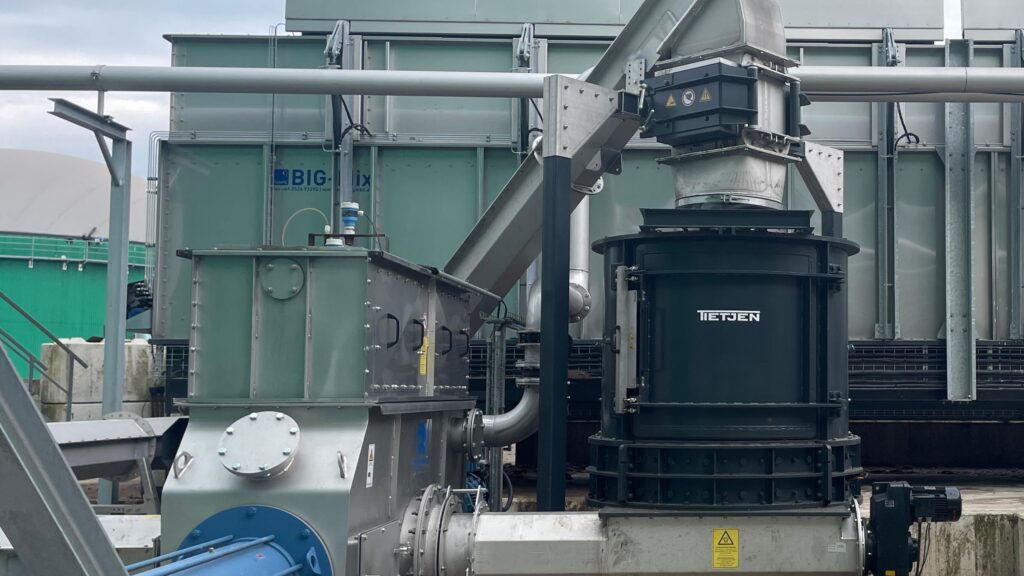
Biogas Lykkeslund
Terrasol
Cuéntenos cuál es su reto. Encontraremos la solución adecuada.
Descríbanos brevemente sus necesidades: le escucharemos, haremos las preguntas adecuadas y desarrollaremos una solución Tietjen personalizada para su aplicación.