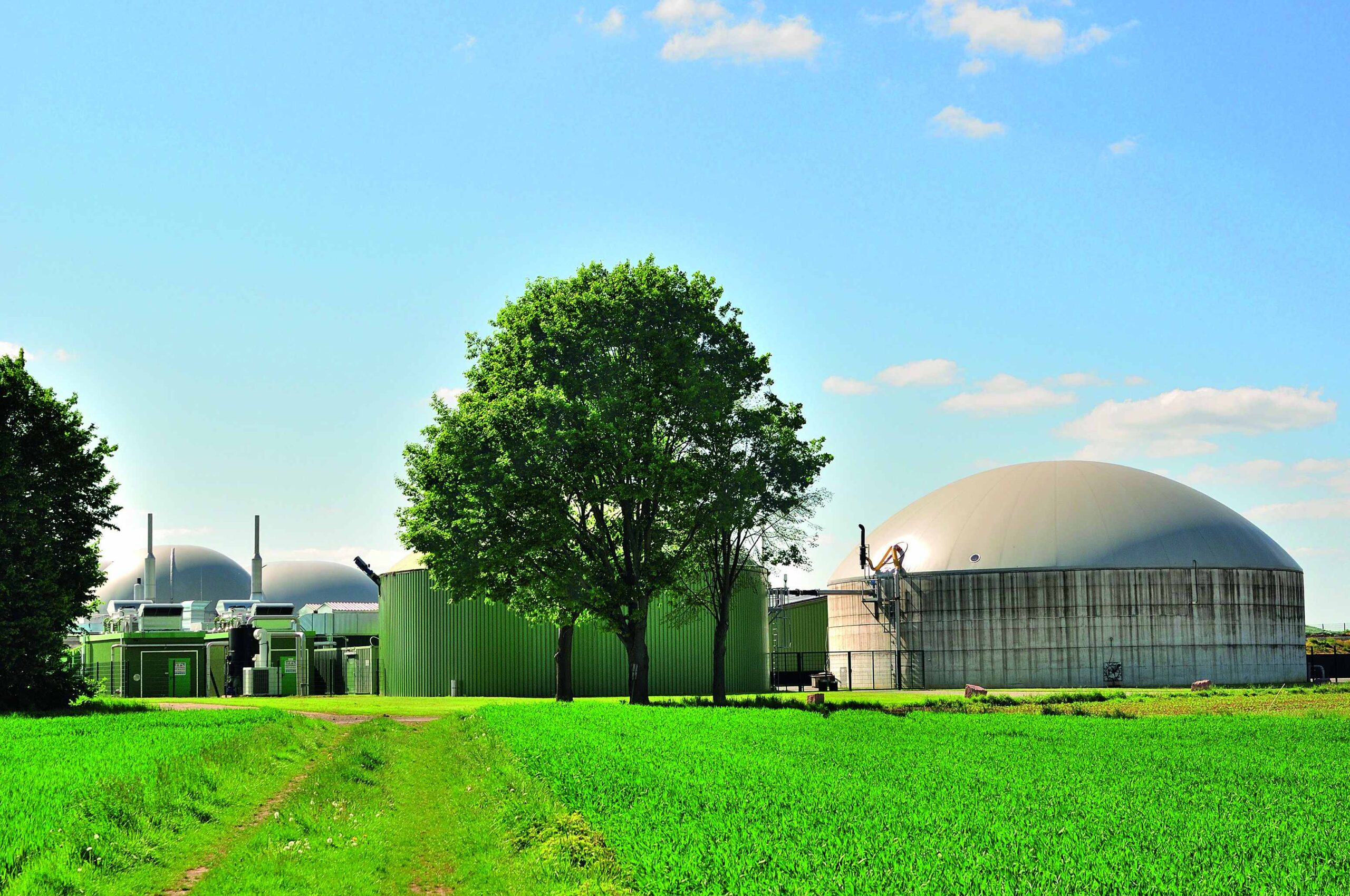
Biogas-Produktion
Tietjen Maschinen bereiten Ihre Rohstoffe für die Biogasproduktion optimal auf und steigern so die Effizienz Ihrer Biogasanlage.
Tietjen-Lösungen für die Biogasproduktion
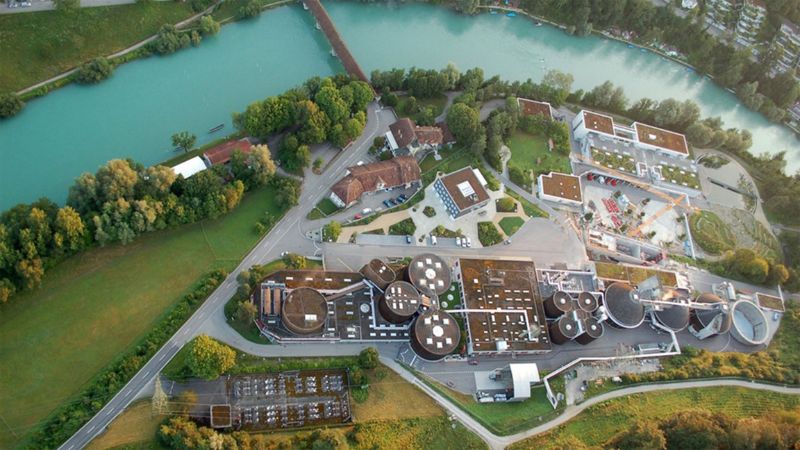
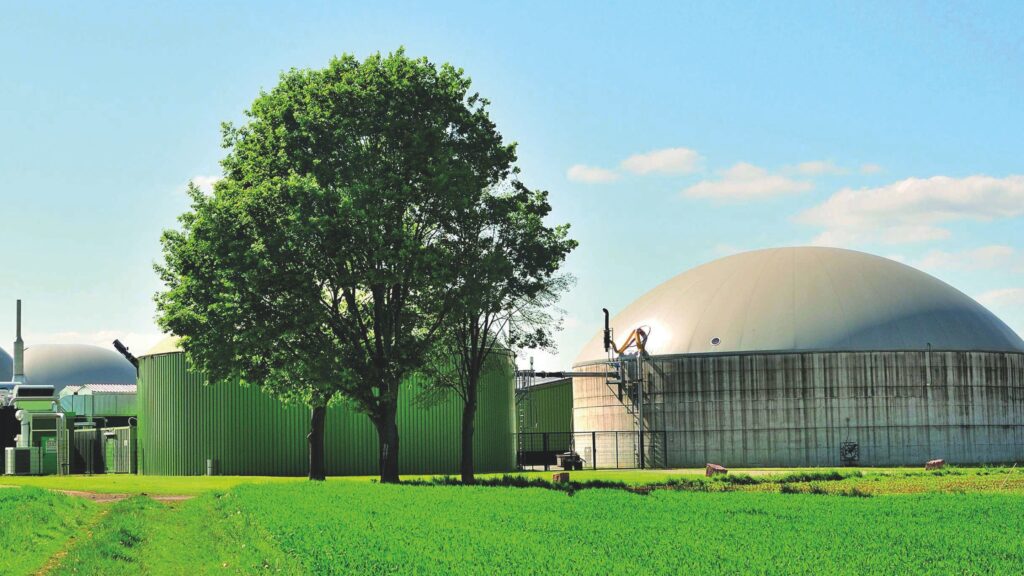
Eine zukunftsorientierte Biogasproduktion erfordert eine Steigerung der Effizienz für alle Arten von Vergärungsanlagen, sowohl in Bezug auf die technische Ausstattung als auch auf die flexible Nutzung von organischen Stoffen.
Tietjen bietet innovative Zerkleinerungs- und Trennlösungen mit einer Durchsatzleistung von 8 bis 25 Tonnen pro Stunde, die:
- die Vergärungseffizienz steigern
- die Substratverwertung optimieren
- Biogasausbeute erhöhen
- vielfältige Organik verarbeiten
Unsere Kunden
Berichten Sie uns von Ihrer Anwendung. Wir finden die passende Lösung.
Beschreiben Sie uns kurz Ihre Anforderungen – wir hören Ihnen zu, stellen die richtigen Fragen und entwickeln eine maßgeschneiderte Tietjen-Lösung für Ihre Anwendung.
Warum unsere Maschinen besonders robust und zuverlässig sind
Herausforderung: Bei der Vorbehandlung von Lebensmittelabfällen, Gülle, Mist oder landwirtschaftlichen organischen Reststoffen sind die Maschinen hohen Belastungen ausgesetzt und stehen im Dauerbetrieb aufgrund der abrasiven Eigenschaften dieser Substrate vor großen Herausforderungen.
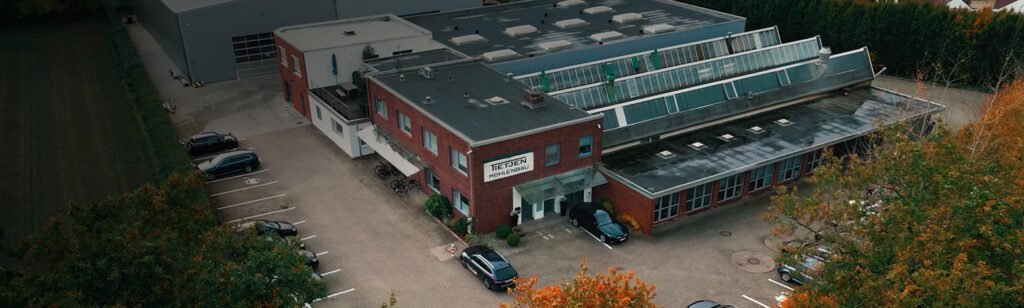
Lösung: Tietjen ist auf die Herstellung von Maschinen spezialisiert, die durch ihre ausgereifte Konstruktion und sorgfältige Materialauswahl besonders langlebig, wartungsarm und verschleißfest sind. Alle Maschinen werden an unserem Standort in Hemdingen, Norddeutschland, produziert und sind häufig im Mehrschichtbetrieb im Einsatz.
FAQs: Vorbehandlung von Organik für Biogasanlagen
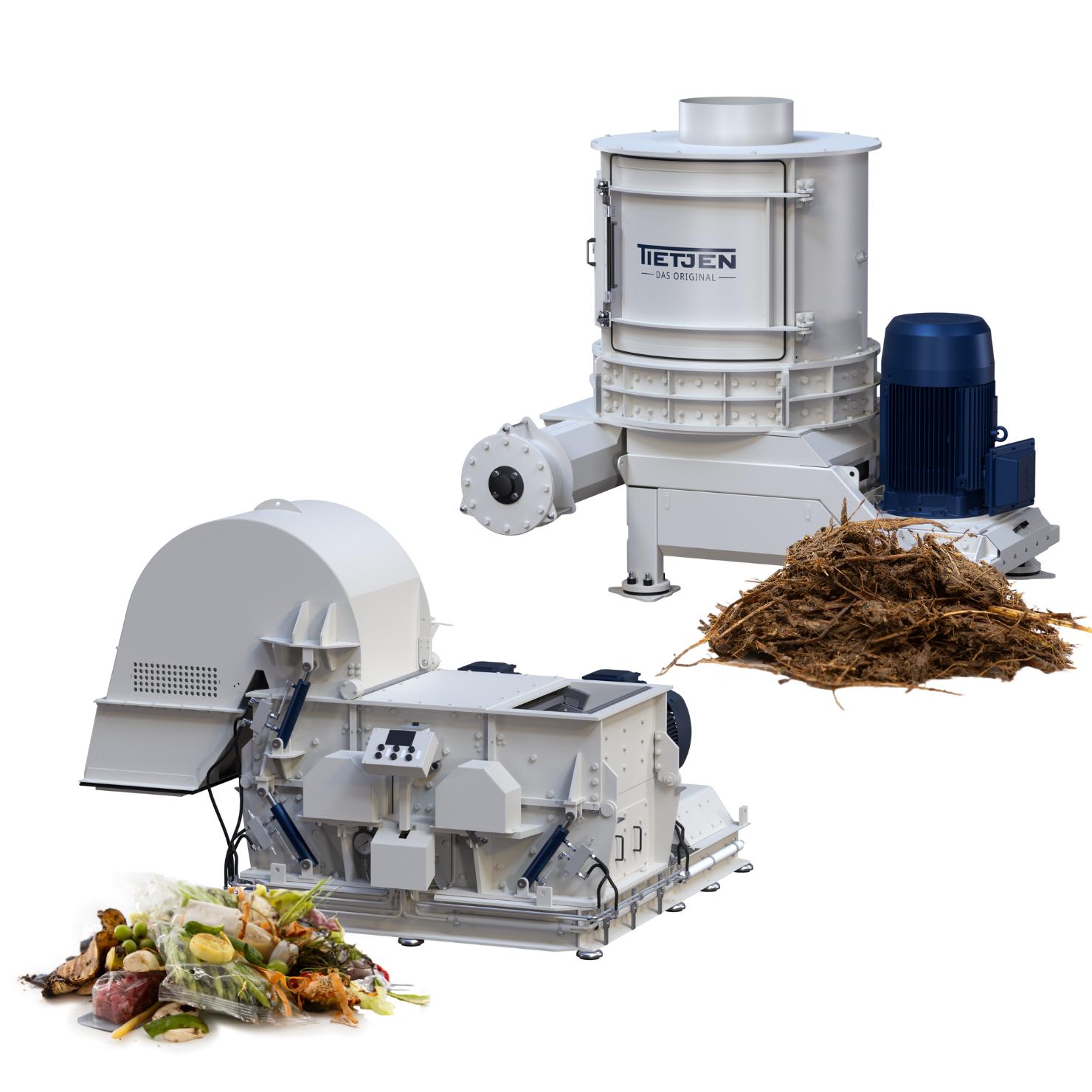
Sie verwenden Zerkleinerungstechnologie für alle unverpackten Rohstoffe und Entpackungstechnologie für die Trennung von Verpackungen und organischen Stoffen, z. B. bei verpackten Lebensmittelabfällen.
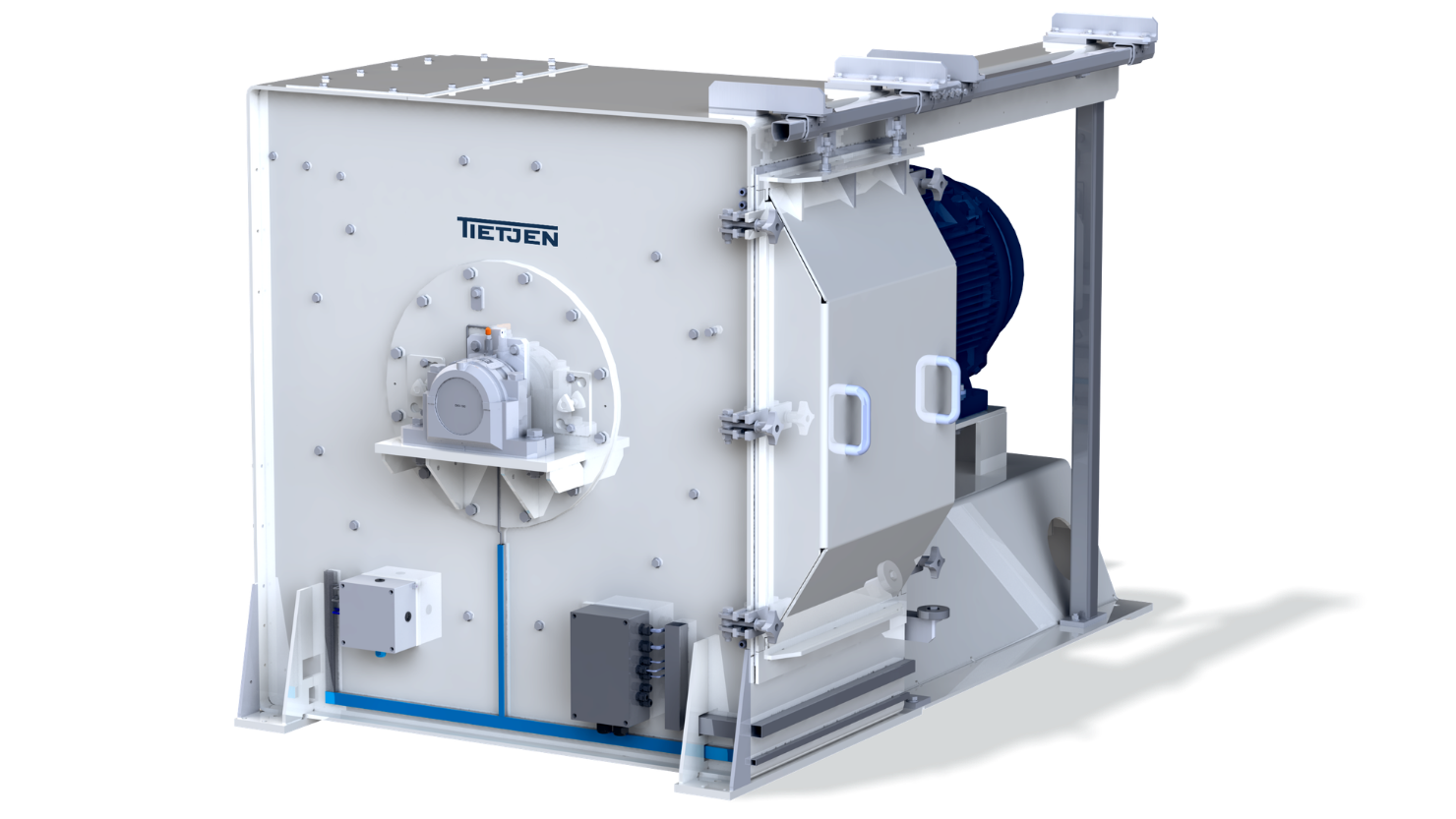
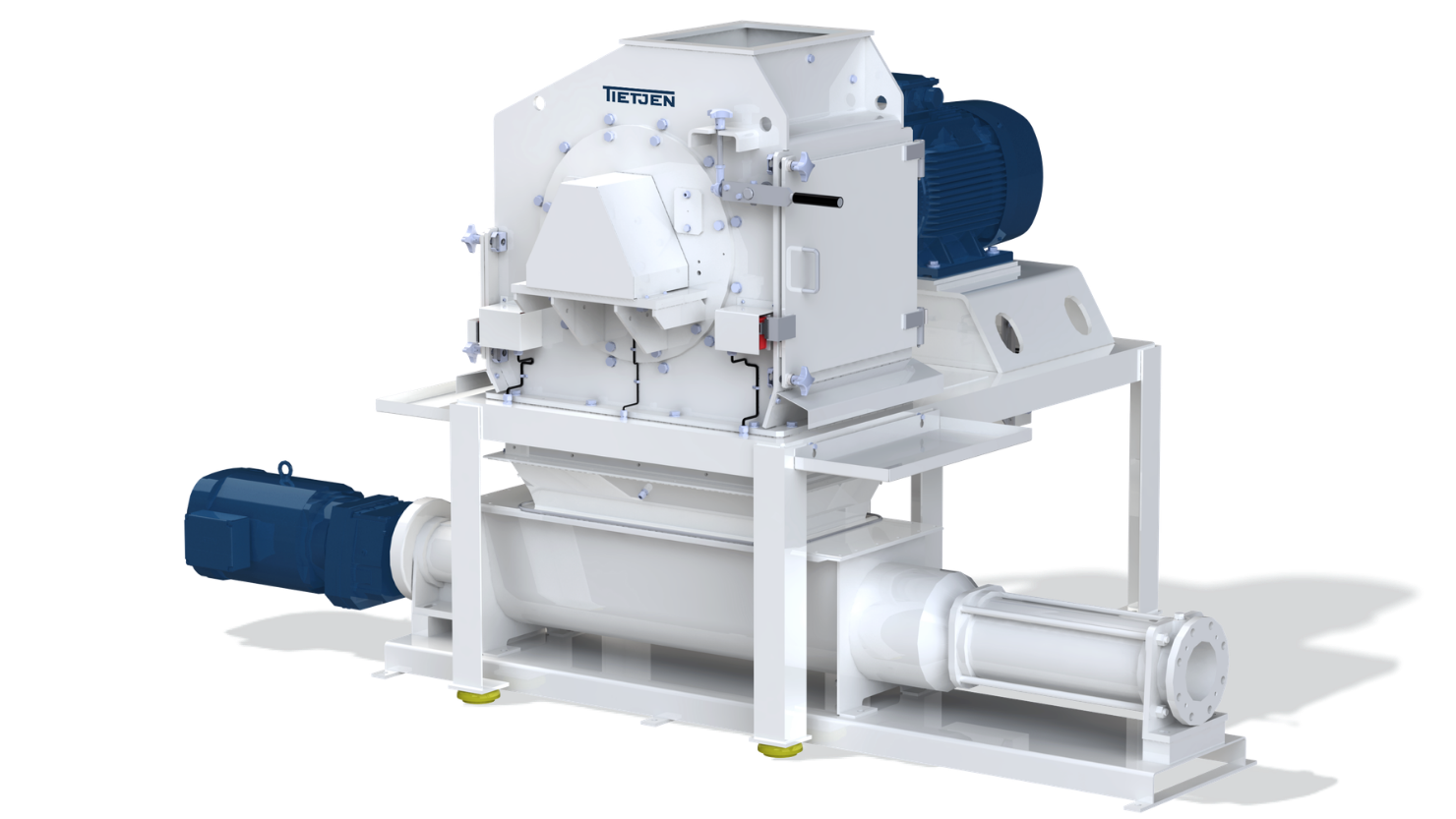
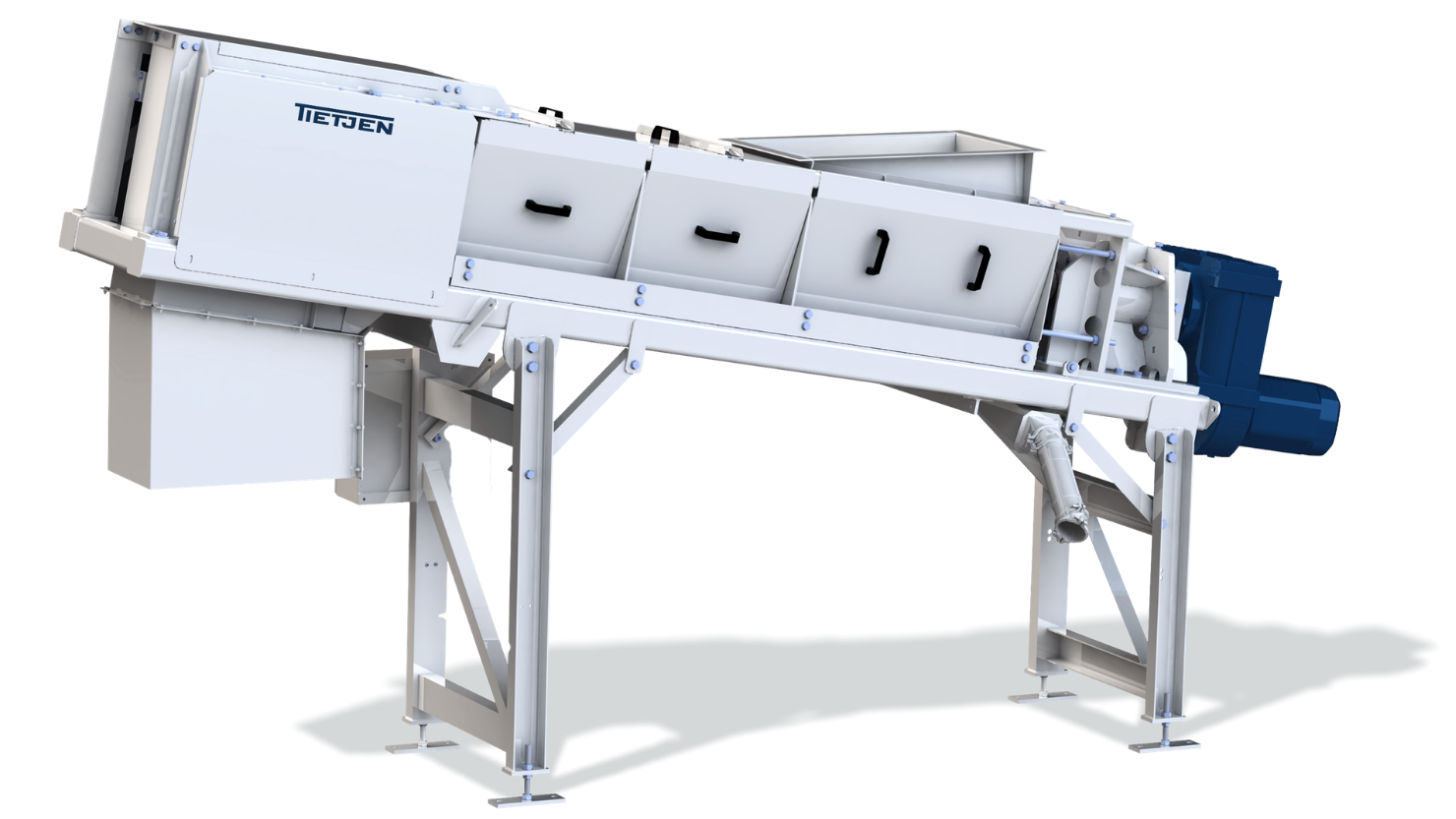
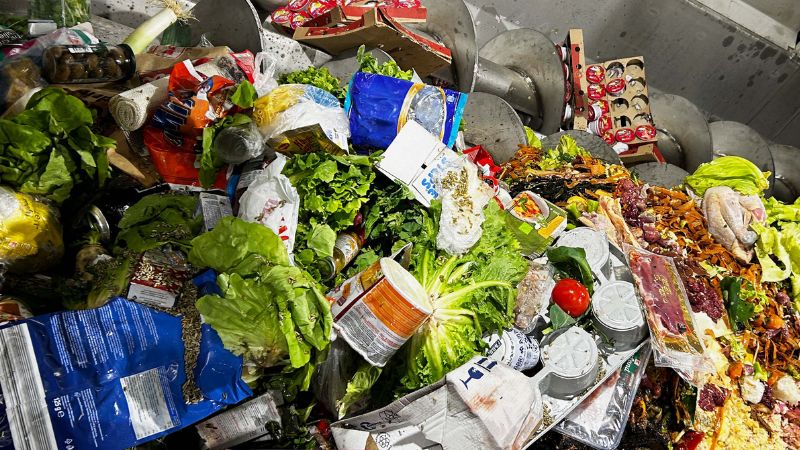
Lebensmittelabfälle aus Überproduktion, Supermarktabfälle, gewerblicher und kommunaler Bioabfall, verpackte Futtermittel werden mit Hilfe der Entpackungsmaschine DRM in Verpackung und Organik getrennt. Die Pressschnecke PRS kann den Trockensubstanzgehalt der Verpackung nach der Trennung weiter erhöhen. Das sorgt für leichte Fremdstoffe und so für eine kostengünstigere Entsorgung.
Erstens erhöht die Verringerung der Partikelgröße der (unverpackten) Biomasse die spezifische Oberfläche, wodurch sich die Kontaktfläche zwischen Mikroorganismen und Biomasse vergrößert. Diese Materialaufbereitung erhöht die Gasausbeute, da nicht verdauliches Material wie Lignin, das das verdauliche Material bedeckt, zerstört wird und so die vergärbaren Teile zugänglich werden.
Zweitens verkürzt sich die für die Biogaserzeugung benötigte Zeit, da der Fermentationsprozess beschleunigt wird, wenn Mikroorganismen mehr Substratanteile gleichzeitig abbauen können. Durch die optimale Aufbereitung des Substrats wird das Fermentervolumen effizienter genutzt und die Biogasproduktion insgesamt gesteigert.
Daher erfolgt die Umwandlung von organischem Material in Biogas schneller und vollständiger.
Dies eröffnet neue Möglichkeiten für die Verarbeitung bisher unverwerteter Materialien wie Festmist, Stroh und ähnlicher Stoffe.
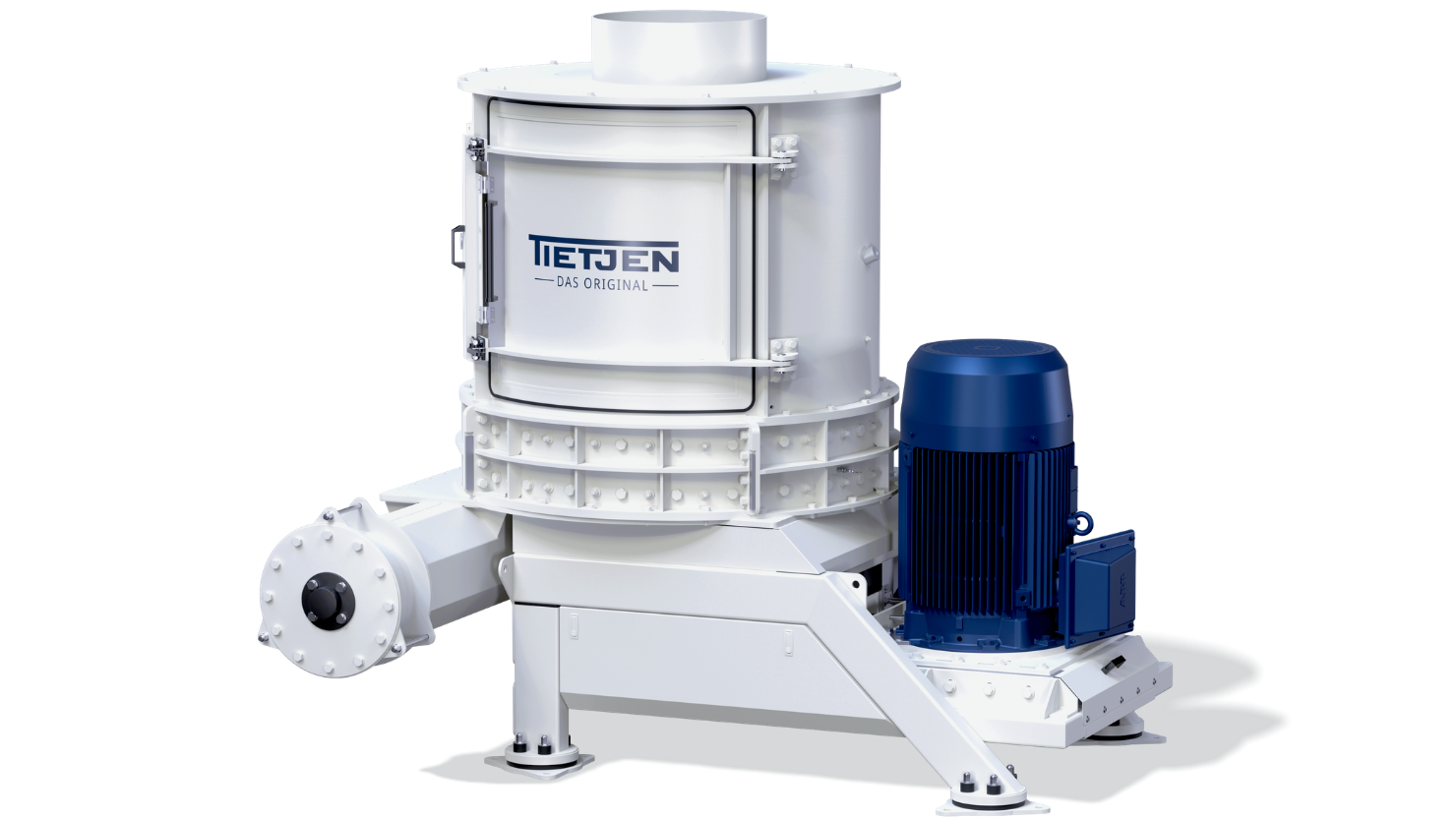
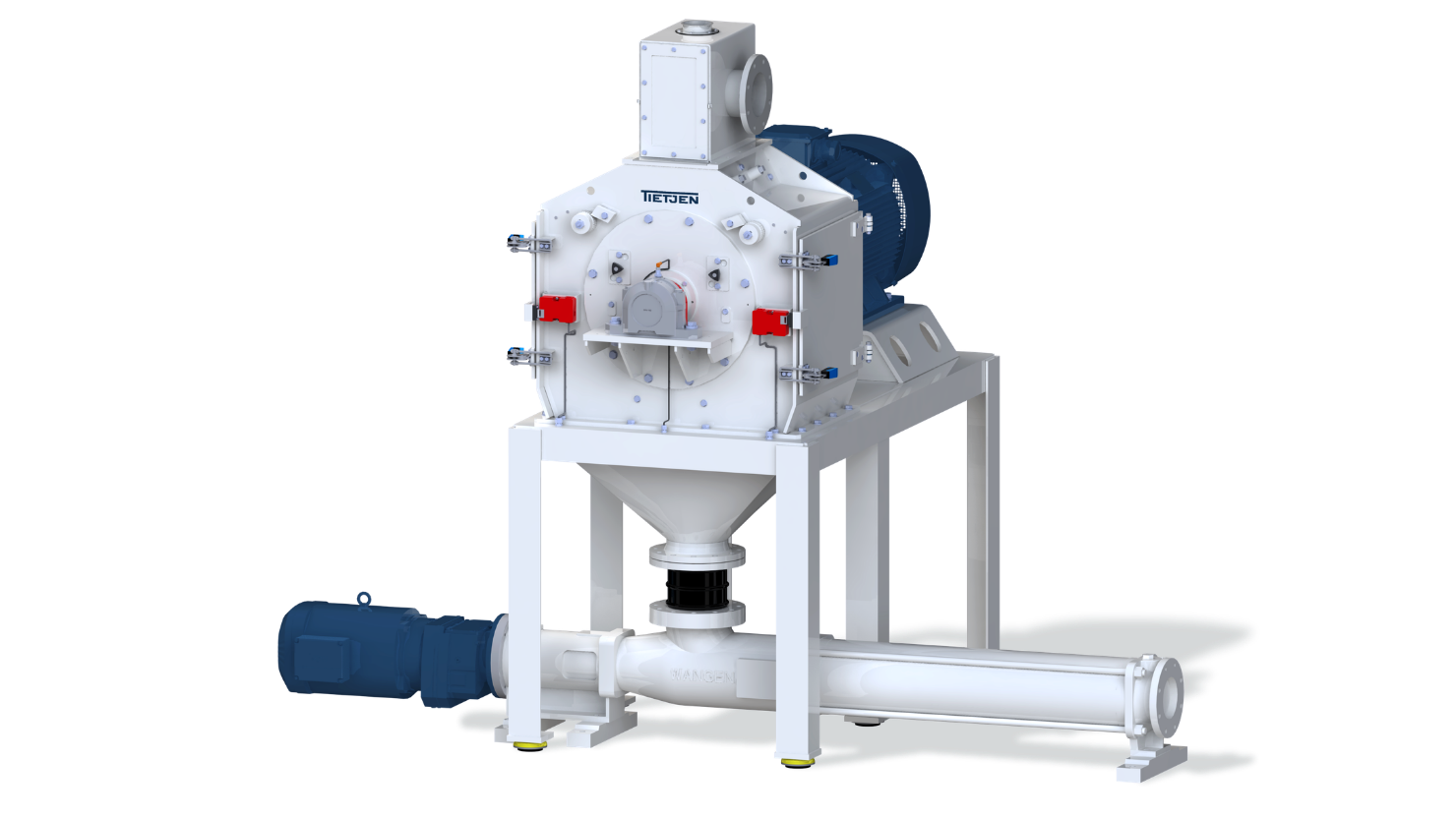
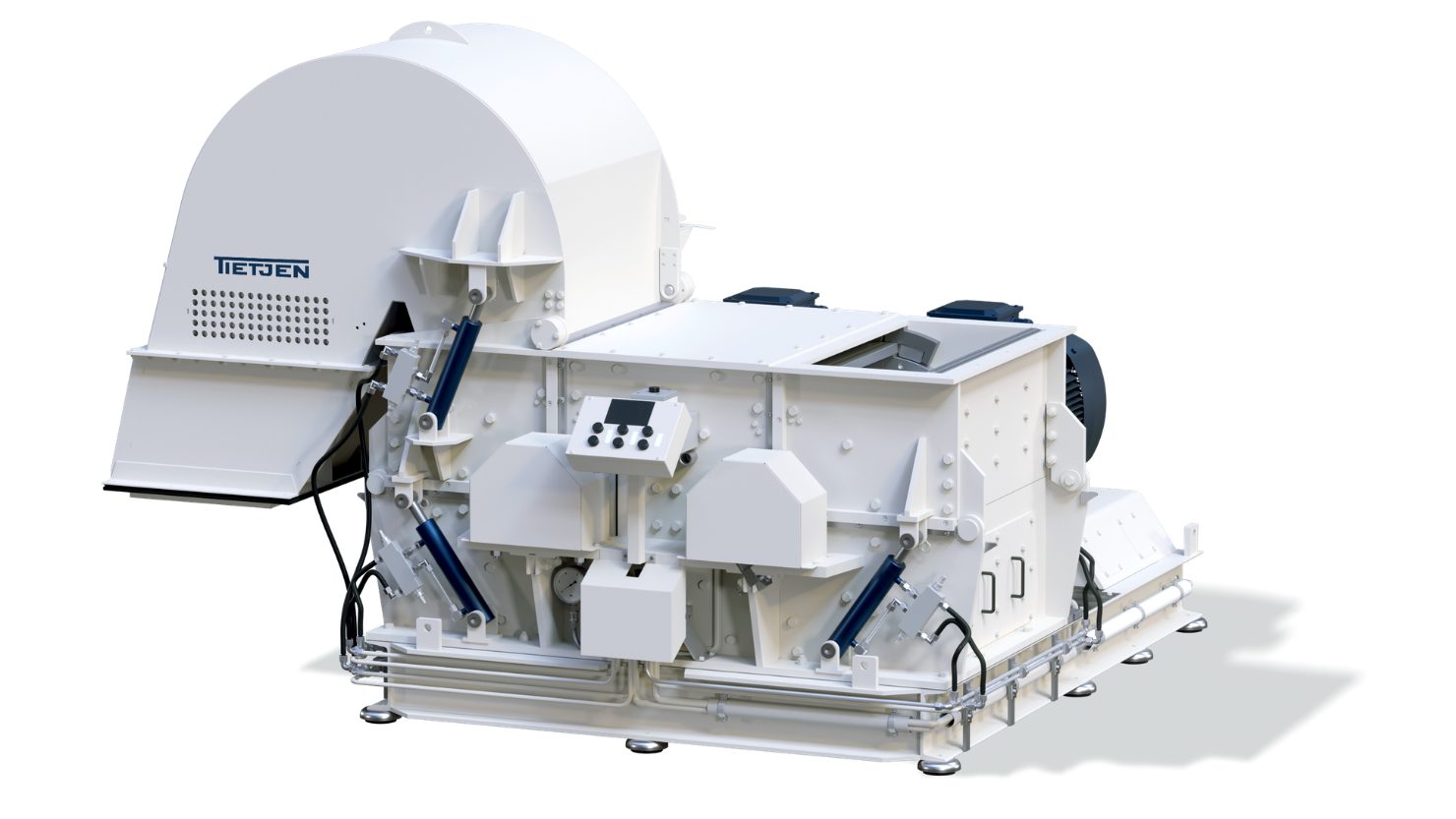
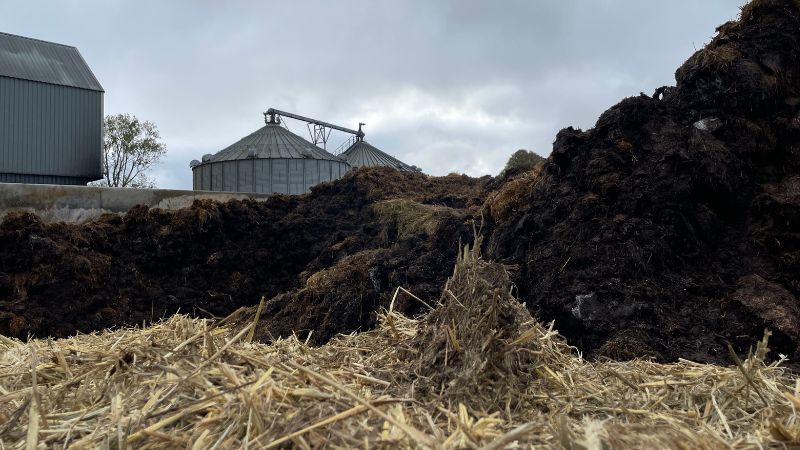
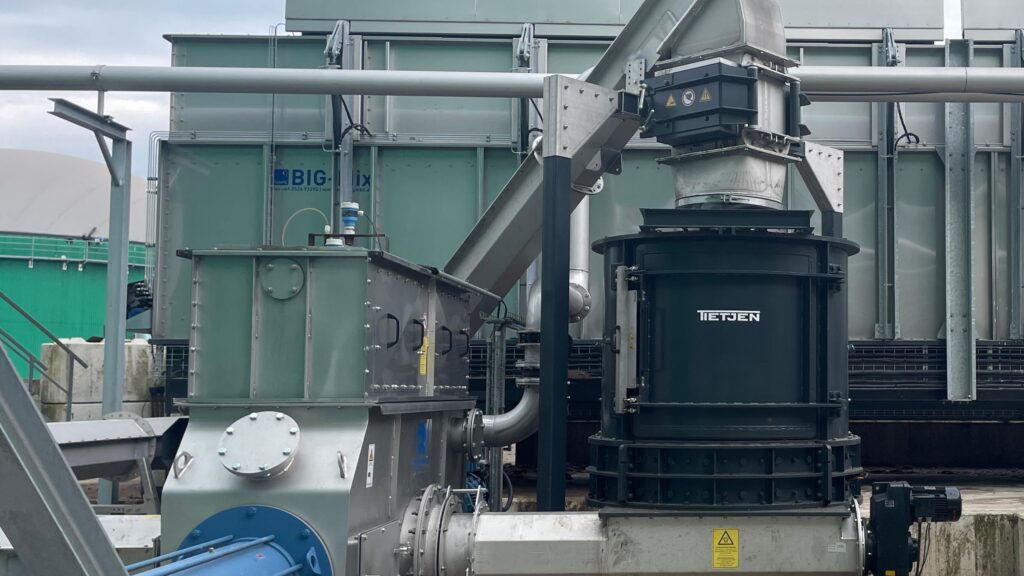
Unverpackte Organik, wie landwirtschaftliche Abfälle, Mist, Stroh, Silagen, Energiepflanzen werden im Biomasse Shredder BMS zerkleinert, unverpackte Lebensmittelabfälle mit unserer BIMIX.
Längere Fasermaterialien neigen dazu, sich zu vernetzen. Um Schwimmschichten zu vermeiden, ist eine lange Rührzeit dieser Materialien erforderlich. Das Rühren längerer Fasern erfordert auch mehr Energie als bei kurzen Fasern, da die Viskosität oft höher ist. Unser Biomasse Shredder BMS sorgt für eine Zerkleinerung des Rohmaterials, sodass die Rührzeiten verkürzt werden können und das Umrühren des Gärrests durch den Mischer mit deutlich weniger Aufwand erfolgt.
Dies führt zu hohen Energieeinsparungen, die bereits einen Großteil des Energiebedarfs für die Zerkleinerung ausgleichen können.
Wir sind überzeugt, dass die Prallvermahlung die beste Technologie für die Zerkleinerung von Biomasse vor und während der anaeroben Vergärung in der Biogasanlage ist.
Bei der Prallvermahlung wird die Biomasse mit breiten Schlägern zerfasert, wodurch die gesamte Struktur der Biomasse aufgebrochen und zerstört wird, im Gegensatz zum Schneiden, wo das Material nur an der Schnittkante zerstört wird.
Die Prallzerkleinerung, die insbesondere bei Mühlen zum Einsatz kommt, zeichnet sich durch eine effiziente Verarbeitung unterschiedlicher Materialien und dem kontrollierten Aufschluss der gesamten Biomasse in einem Schritt aus.
Die Vielseitigkeit der Prallzerkleinerung zeigt sich in ihrer Fähigkeit, ein breites Spektrum an Materialien zu verarbeiten, das von weicheren Zusammensetzungen bis hin zu zäheren faserigen Biomassen reicht und so auch schwer vergärbare Materialien für die Biogasproduktion zugänglich macht.
Reinheit
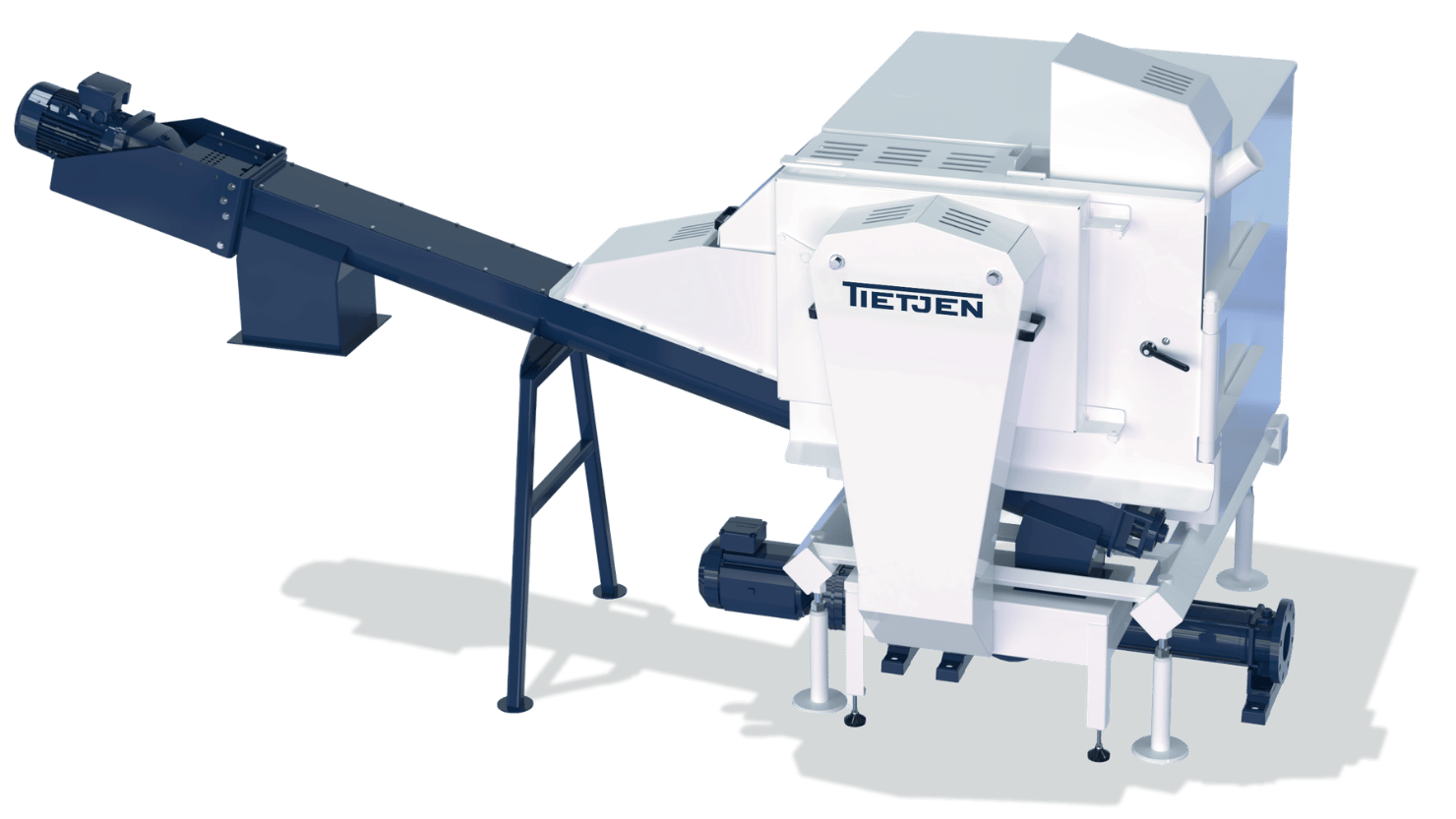
Im Gegensatz zur Zerkleinerung ist es bei der Entpackung von Lebensmittelabfällen besonders wichtig, dass diese behutsam erfolgt, so dass die entpackte Organik eine besonders hohe Reinheit aufweist. Tietjen hat die Reinheit seiner Entpackungsmaschine DRM von unabhängigen Instituten prüfen lassen, sprechen Sie uns an.
Anpassungsfähigkeit an Materialtypen
Die DRM kann verschiedene Verpackungsgrößen und -materialien verarbeiten und ist unempfindlich gegenüber Störstoffen
Ressourceneffizienz
Die DRM entpackt mit geringer oder keiner Zugabe von Flüssigkeit, so dass die gewonnen Organik einen hohen Trockensubstanzgehalt von bis zu 20 % haben kann. Es ist aber kein Problem mehr Flüssigkeiten einzusetzen, wenn ein geringerer Trockensubstanzgehalt eingestellt werden soll.
Anlagenkompetenz
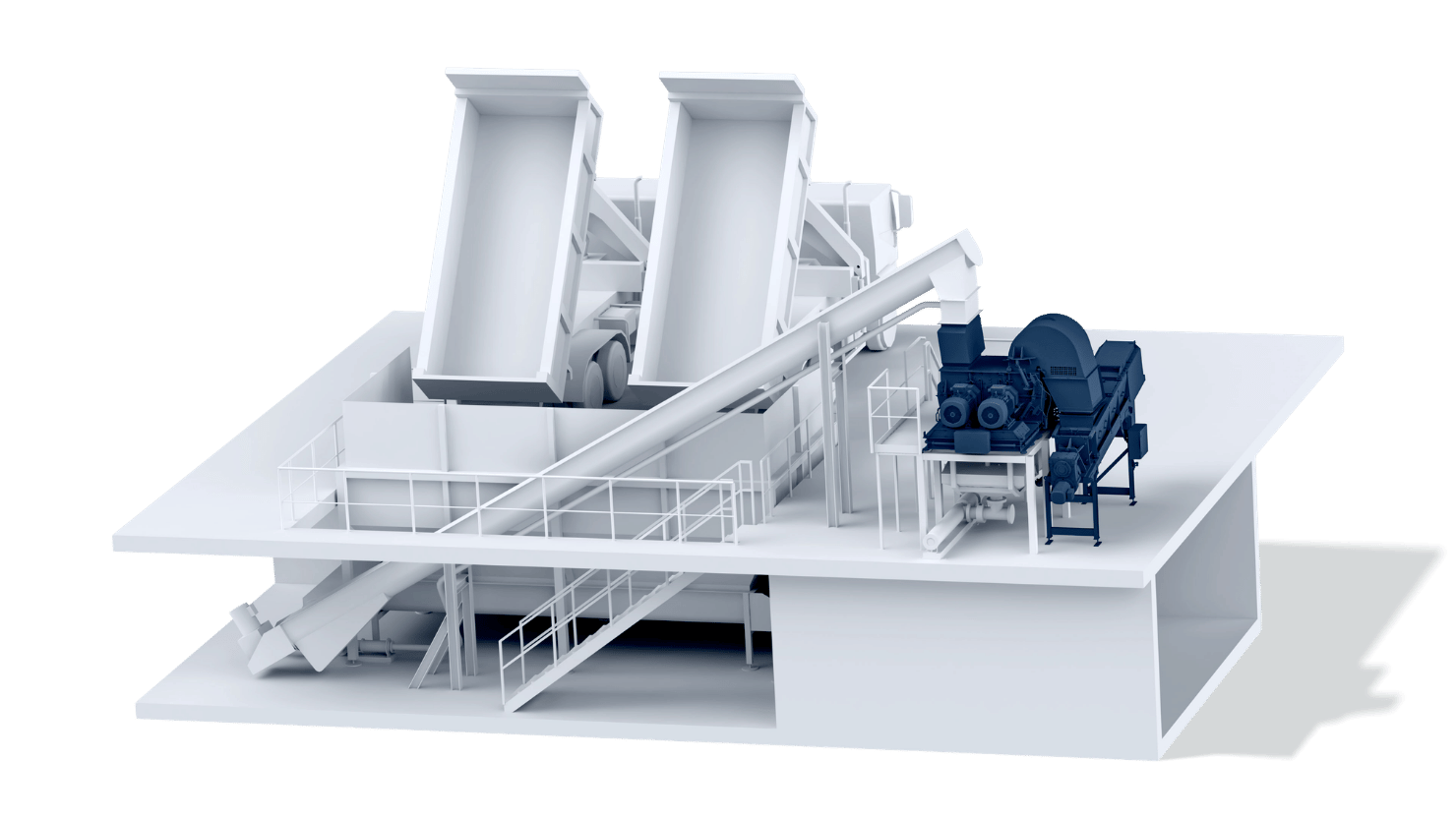
Wir liefern nicht nur die Entpackungsmaschine DRM, sondern, wenn gewünscht eine komplette Anlage inklusive Bunker, Transport und Waschmaschine. Nur wenn alle Teilprozesse optimal aufeinander abgestimmt sind, läuft der Prozess effizient.


Typische nächste Schritte
- Bedarf klären: Wir analysieren gemeinsam Ihre Anforderungen und Rahmenbedingungen
- Besuch von Referenzen: Besuchen Sie einen zufriedenen Tietjen-Kunden
- Projektierung & Angebot: Ausarbeitung eines individuellen Anlagenkonzepts und Angebots
- Umsetzung: Lieferung, Montage und Inbetriebnahme durch unsere Experten
- After Sales: Langfristiger Support, Ersatzteile & Wartung mit garantierter Verfügbarkeit
Berichten Sie uns von Ihrer Anwendung. Wir finden die passende Lösung.
Beschreiben Sie uns kurz Ihre Anforderungen – wir hören Ihnen zu, stellen die richtigen Fragen und entwickeln eine maßgeschneiderte Tietjen-Lösung für Ihre Anwendung.