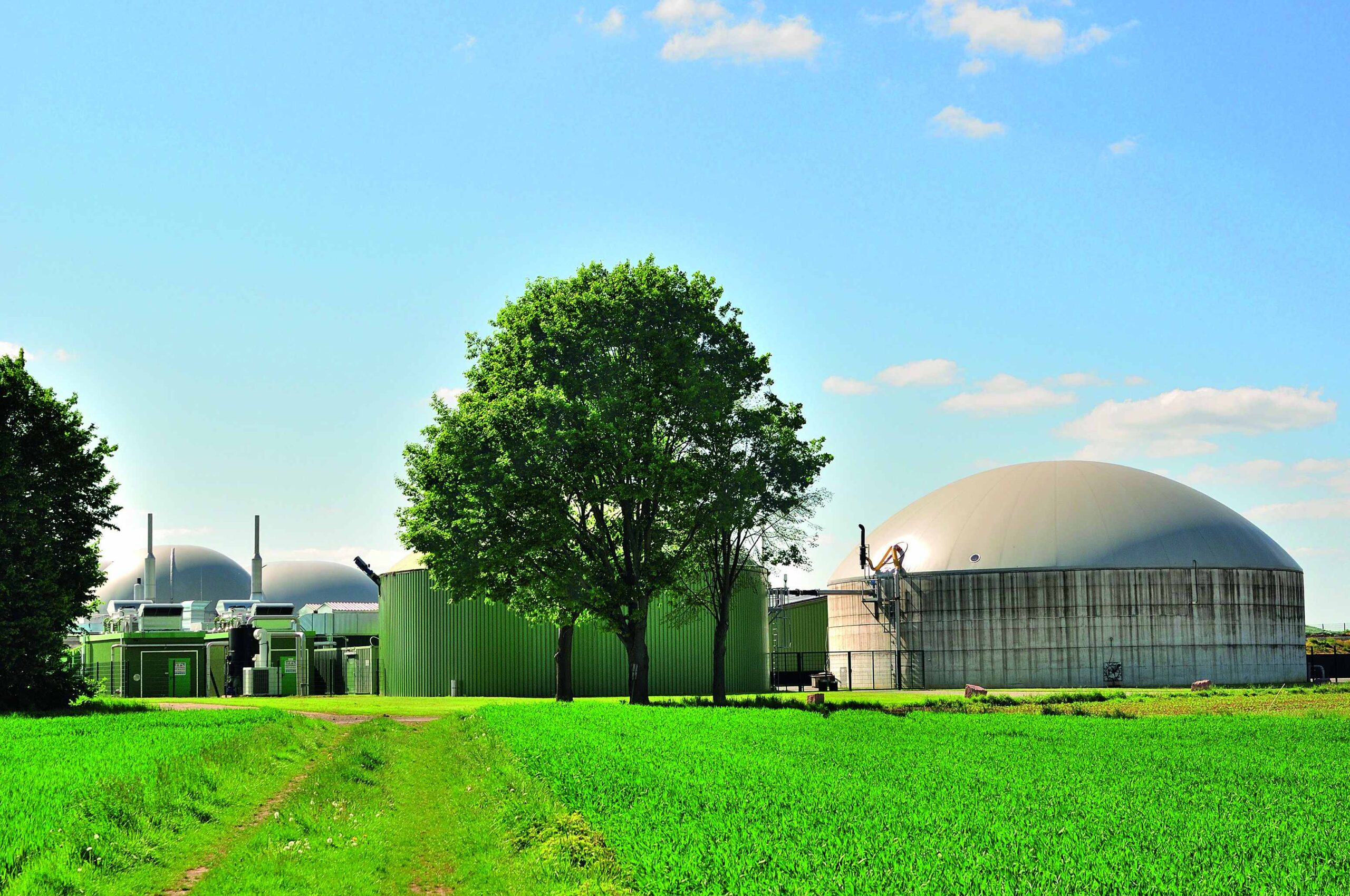
Biogas Production
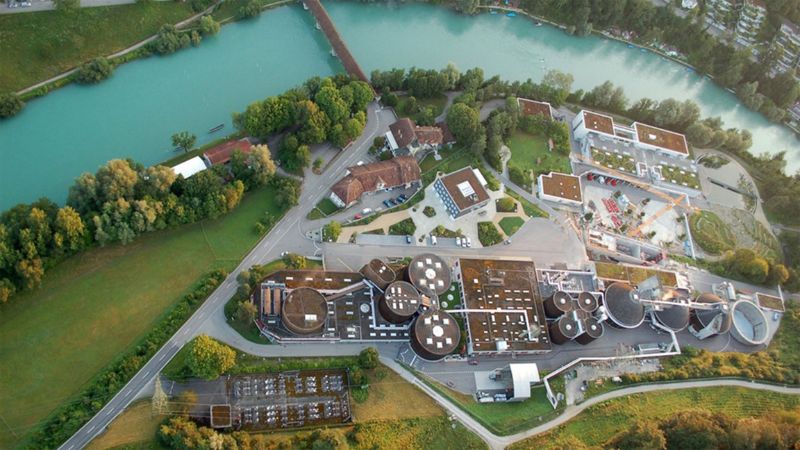
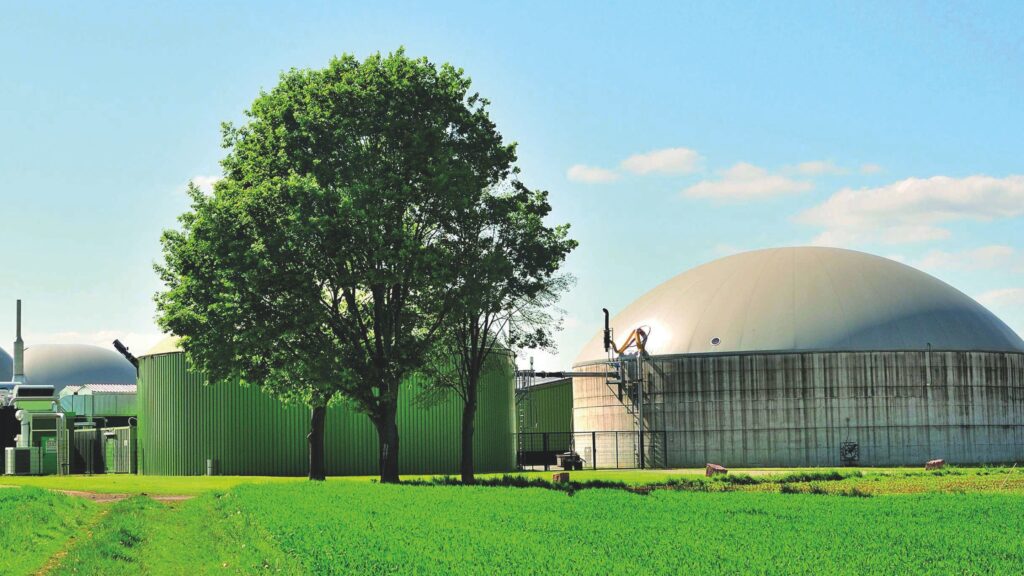
Tietjen machines optimally prepare your raw materials for biogas production, thereby increasing the efficiency of your biogas plant.
What Sets Tietjen Solutions for Biogas Production Apart
Future-oriented biogas production requires increased efficiency for all types of fermentation plants, both in terms of technical equipment and the flexible use of organic materials.
Tietjen offers innovative grinding and separation solutions with a throughput capacity of 8 to 25 tons per hour, which:
- Increase fermentation efficiency
- Optimize substrate utilization
- Increase biogas yield
- Process a wide range of organic materials
Our Customers
Tell Us about Your Challenge. We´ll Find the Right Solution.
Briefly describe your requirements to us – we will listen, ask the right questions and develop a customised Tietjen solution for your application.
Why Our Machines Are Particularly Robust and Reliable
Challenge: When pretreating food waste, slurry, manure or agricultural organic residues, machines are subjected to high loads and face major challenges in continuous operation due to the abrasive properties of these substrates.
Solution: Tietjen specializes in the manufacturing of machines that are particularly durable, low-maintenance and wear-resistant thanks to their advanced design and careful selection of materials like stainless steel. All machines are produced at our site in Hemdingen, northern Germany, are well proven and often used in multi-shift operation.
FAQs about Pre-Treatment Equipment for Biogas Plants
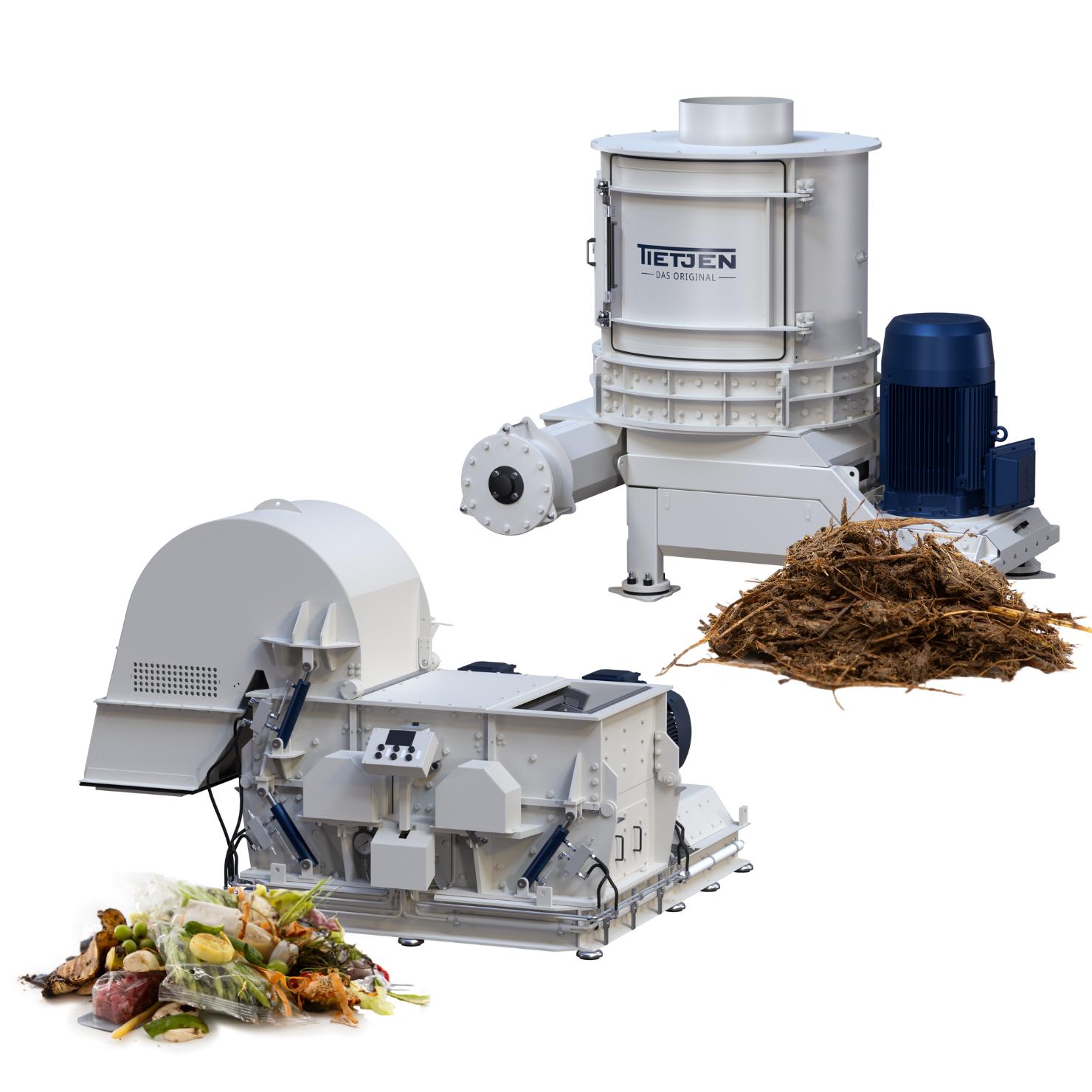
You use grinding technology for all unpackaged raw materials and depackaging technology for separating packaging and organic materials, e.g. in packaged food waste.
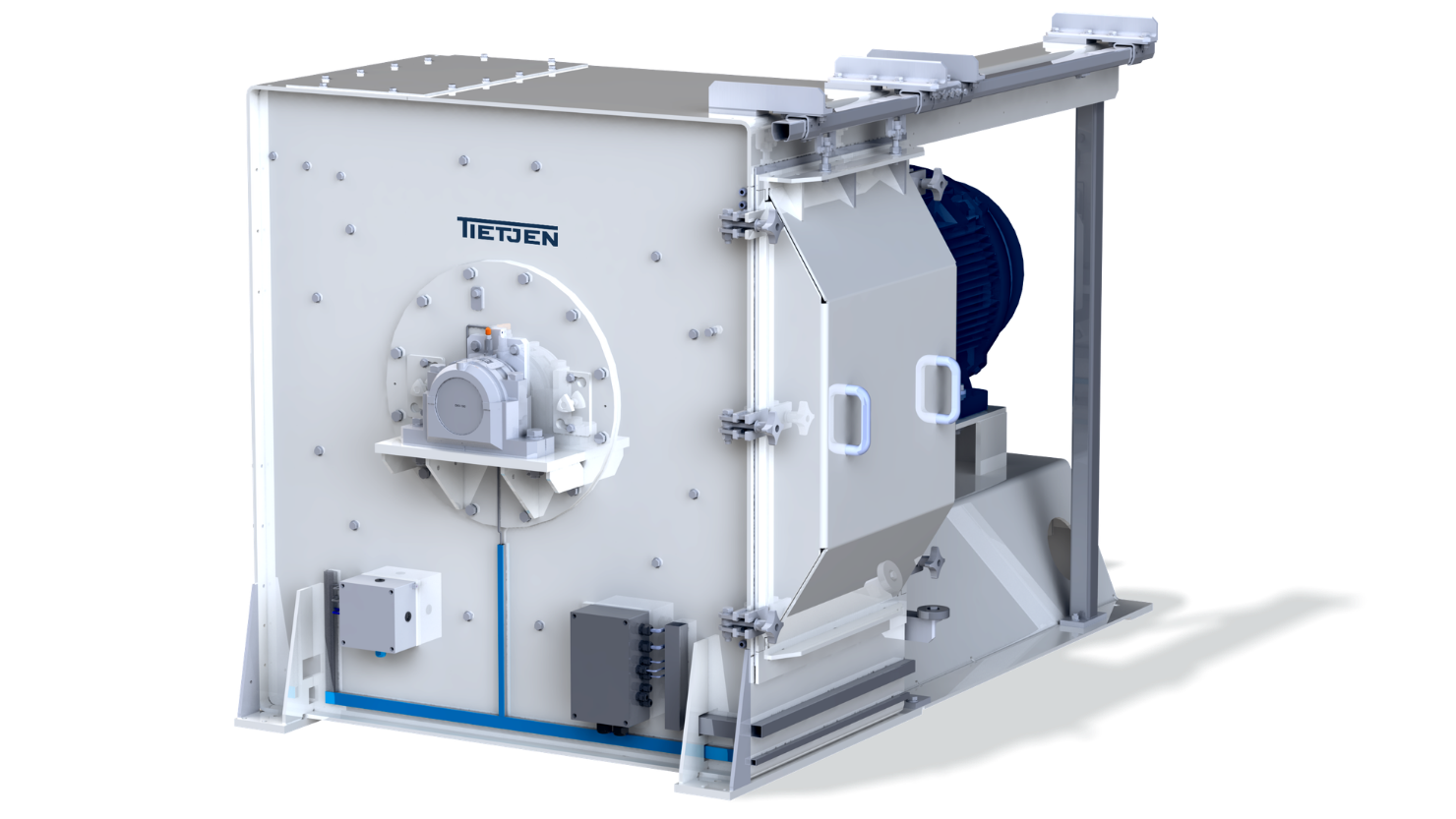
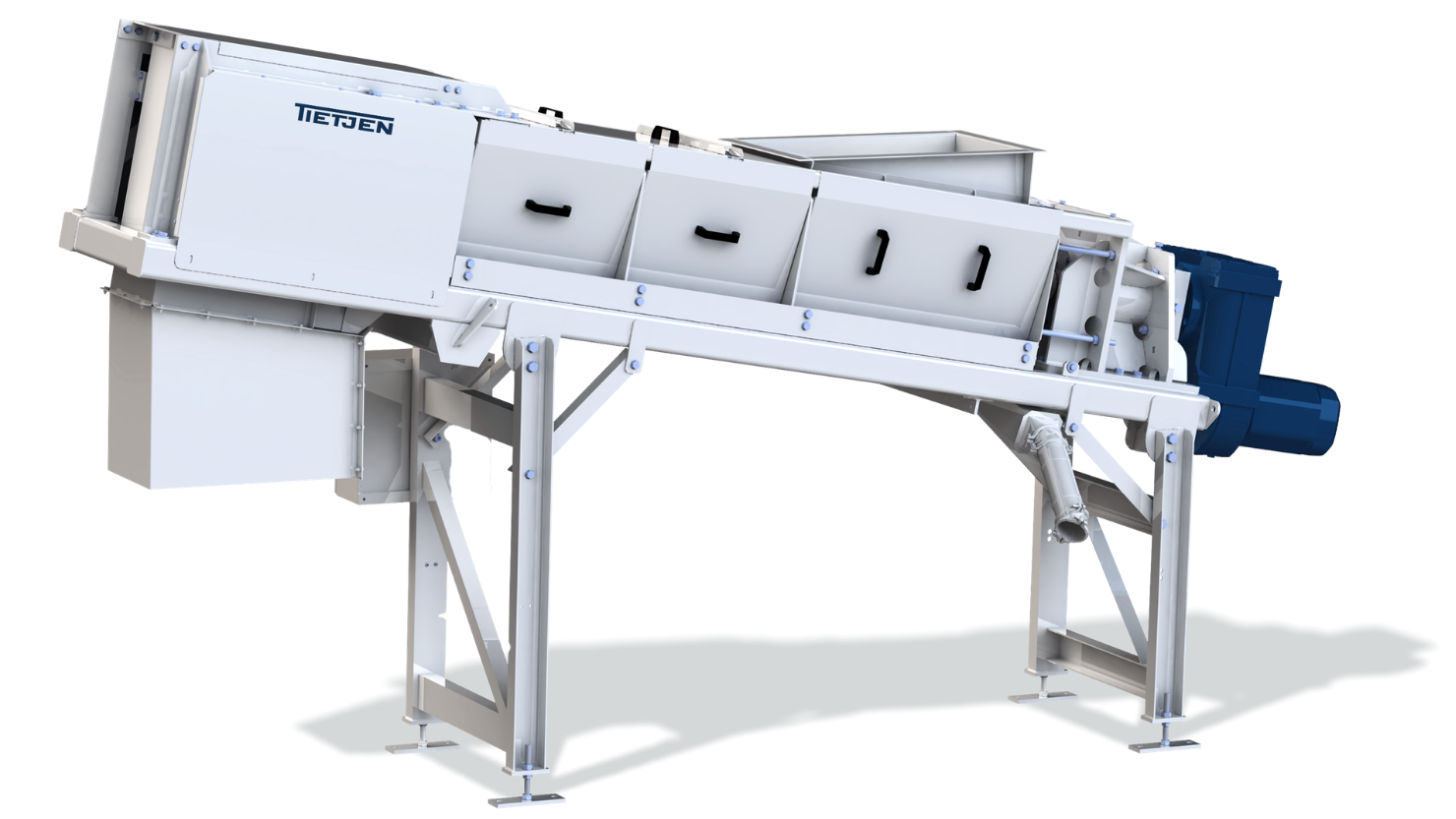
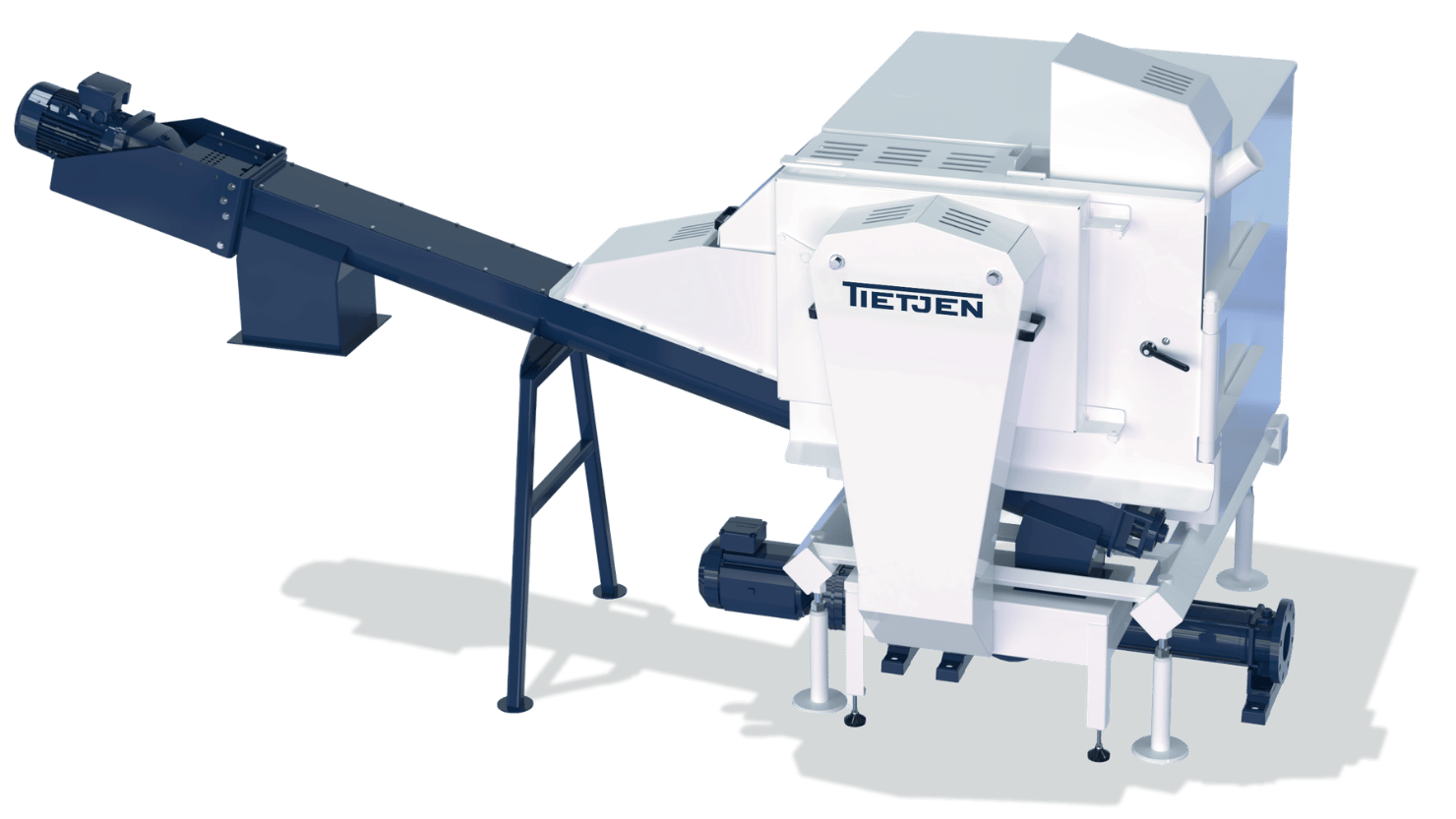
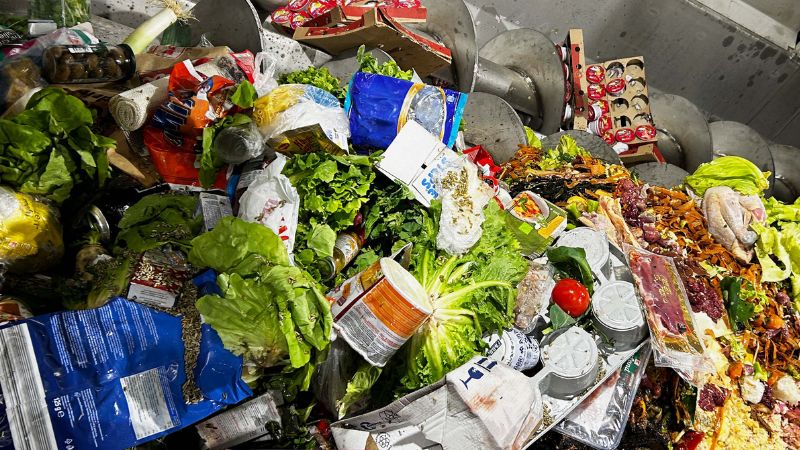
Food waste from overproduction, supermarket waste, commercial and municipal organic waste, and packaged animal feed are separated into packaging and organic matter using the DRM depackaging machine. The PRS press screw can further increase the dry matter content of the packaging after separation. This ensures that foreign matter is easily removed, resulting in more cost-effective disposal.
Firstly, reducing the particle size of the (unpackaged) biomass increases the specific surface area, which in turn increases the contact area between microorganisms and biomass. This material preparation increases the gas yield, as indigestible material such as lignin, which covers the digestible material, is destroyed, making the fermentable parts accessible.
Secondly, the time required for biogas production is reduced because the fermentation process is accelerated when microorganisms can break down more substrate components at the same time. Optimal preparation of the substrate allows more efficient use of the fermenter volume and increases overall biogas production.
As a result, the conversion of organic material into biogas is faster and more complete. This opens up new possibilities for processing previously unusable materials such as solid manure, straw and similar substances.
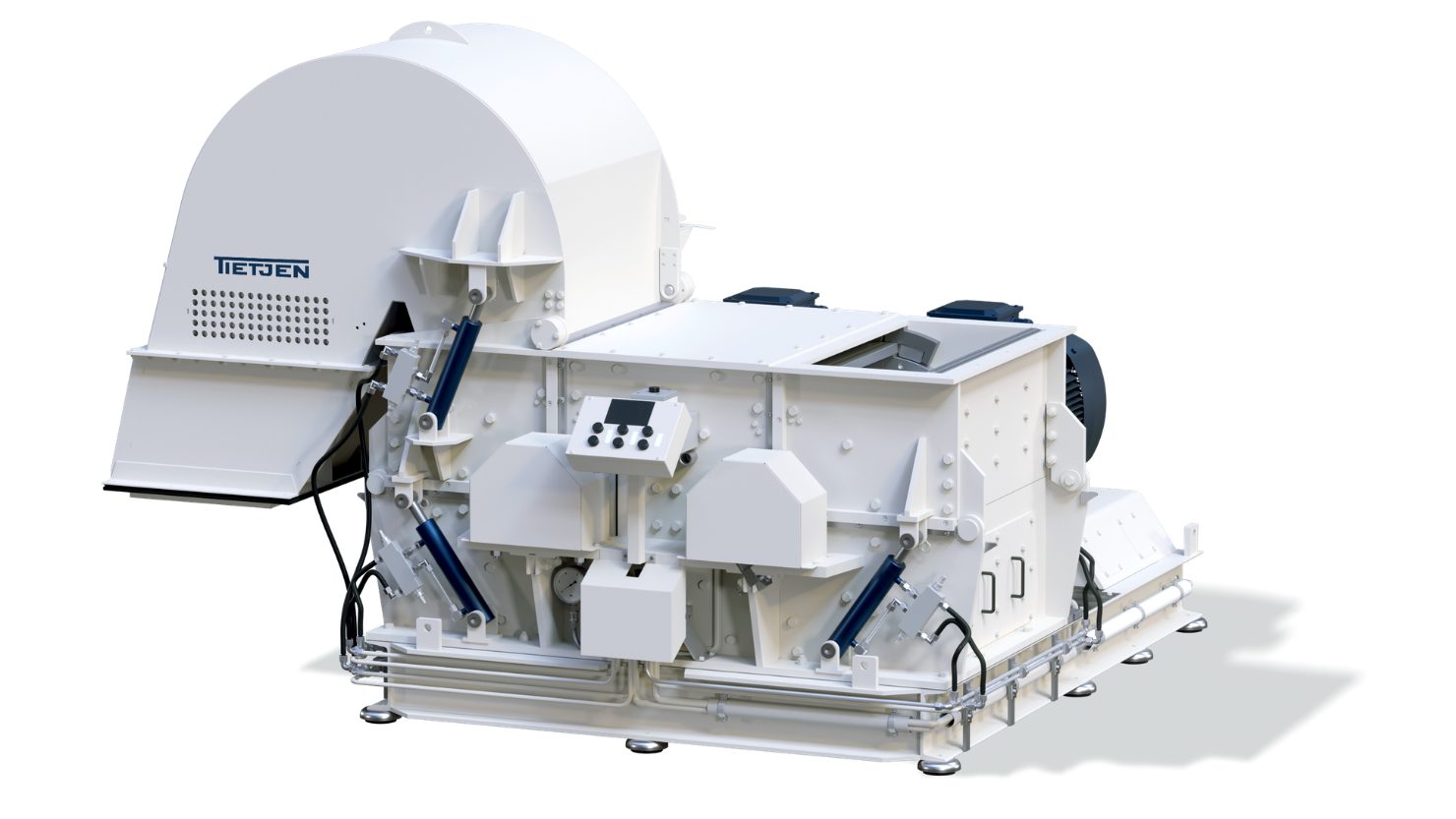
Thirdly, another important aspect of grinding is the uniform mixing of the processed biomass. The Biomass shredder BMS ensures homogeneous distribution, which promotes uniform fermentation and prevents local accumulations of materials that could impair the fermentation process.
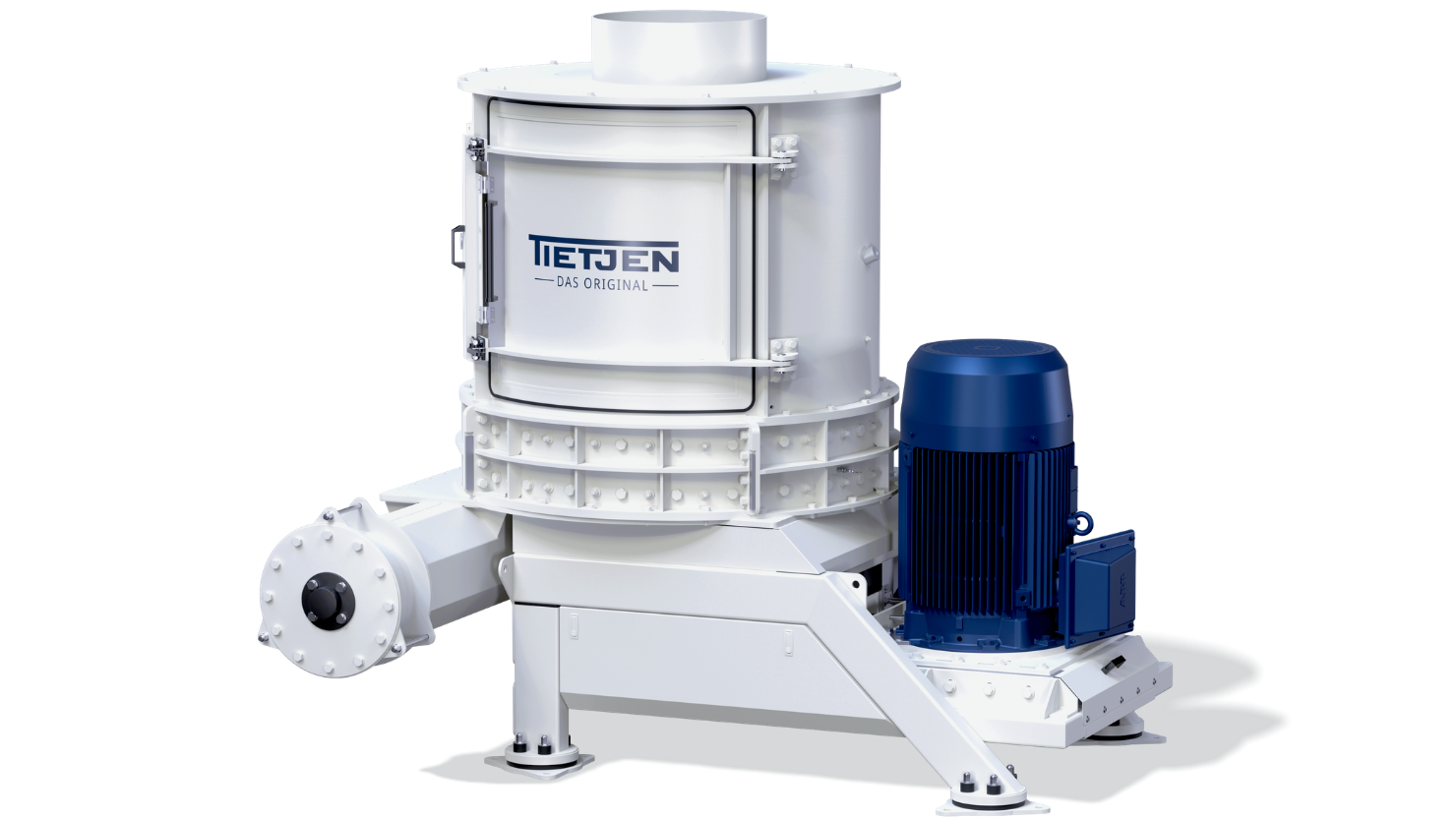
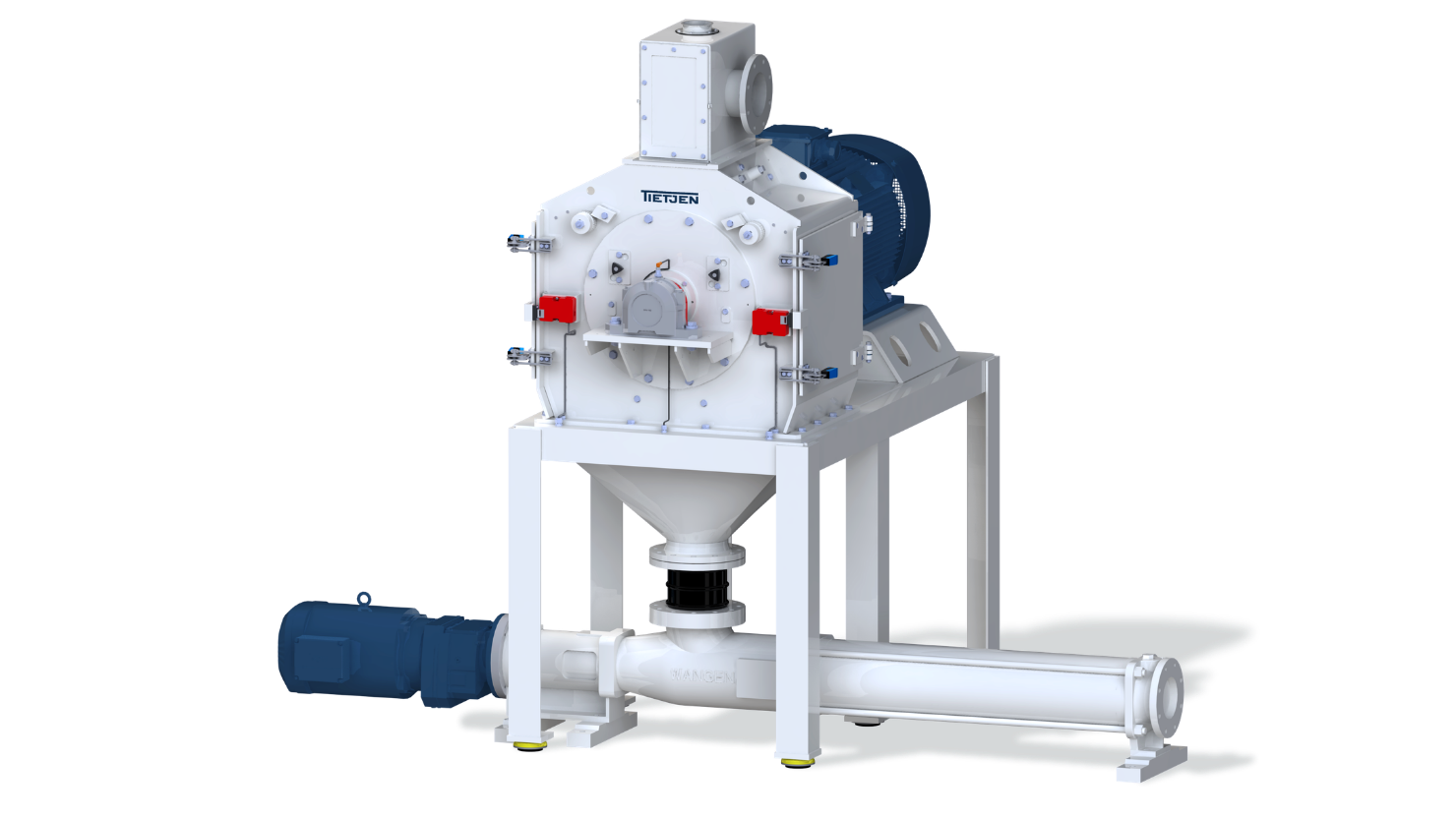
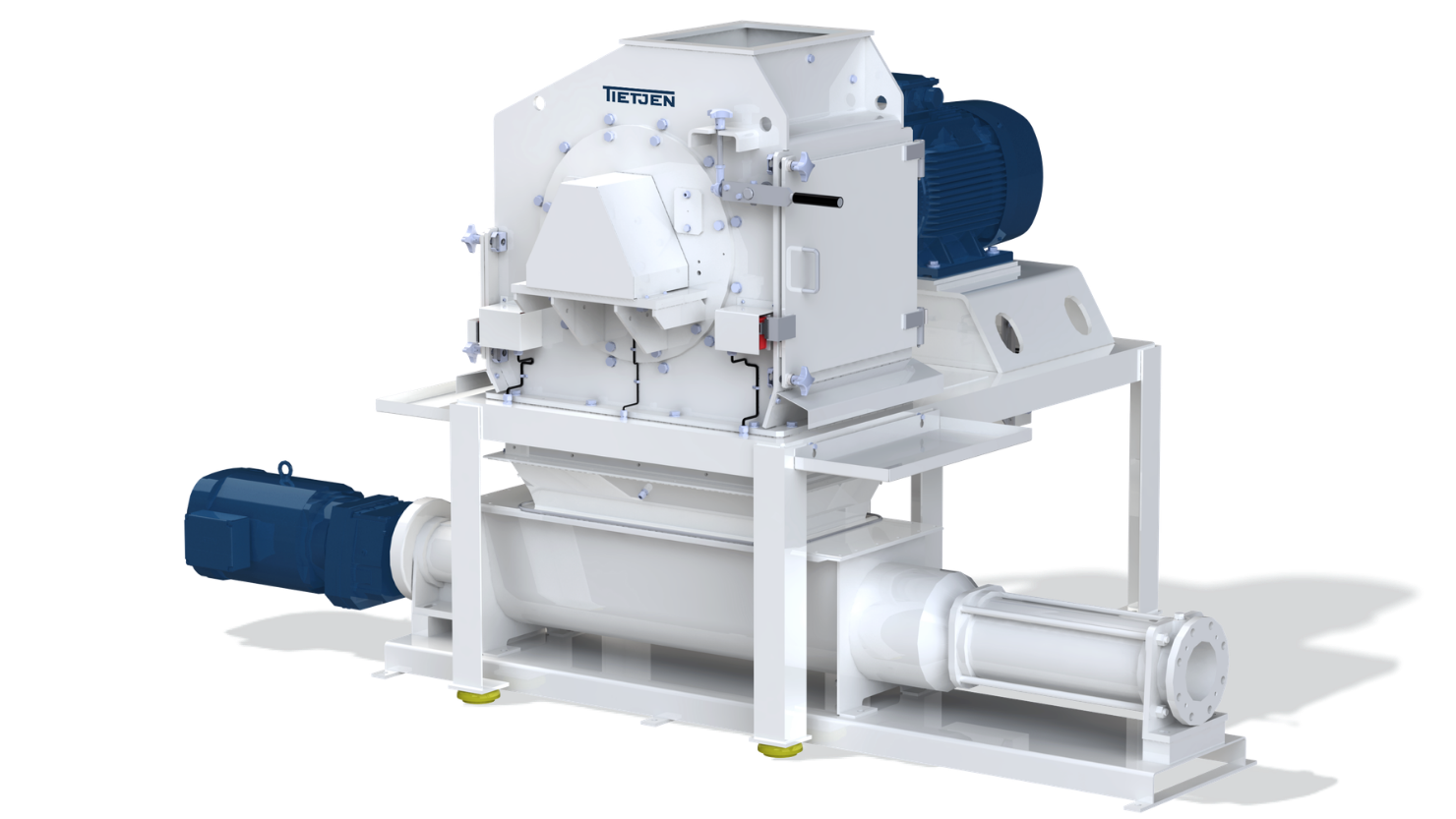
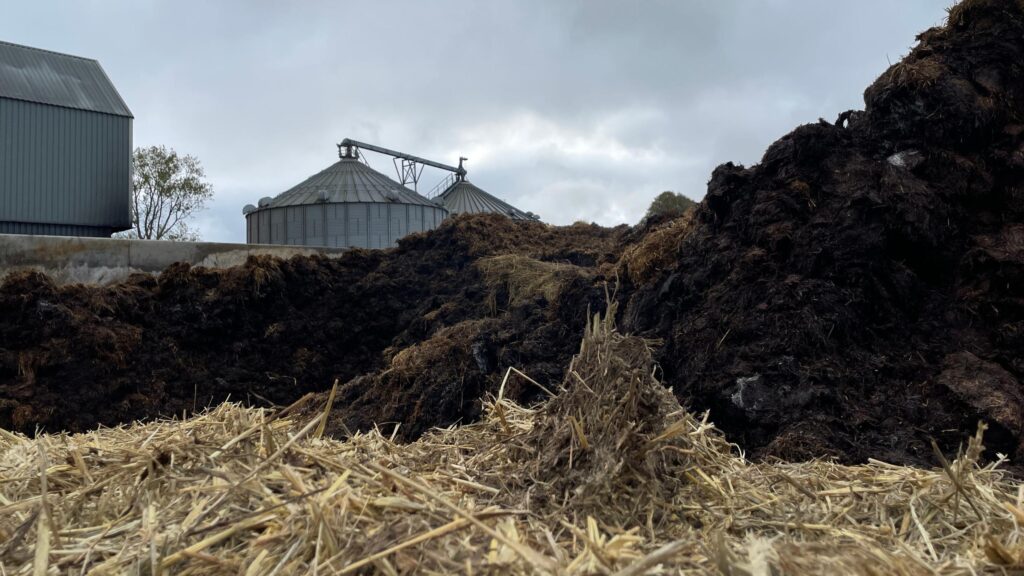
Unpackaged organic materials such as agricultural waste, manure, straw, silage and energy crops are grinded in the BMS biomass shredder or the straw mill. Unpackaged food waste is grinded using our BIMIX.
Longer fibre materials tend to form networks. To prevent floating layers, these materials require a long stirring time. Stirring longer fibres also requires more energy than short fibres, as the viscosity is often higher. Our BMS biomass shredder grinds the raw material so that stirring times can be reduced and the fermented residue can be stirred by the mixer with significantly less effort.
This results in high energy savings, which can already offset a large part of the energy required for grinding.
We are convinced that impact grinding is the best technology for the size reduction of biomass before and during anaerobic fermentation in biogas plants.
In impact grinding, the biomass is defibrated with wide beaters, breaking up and destroying the entire structure of the biomass, in contrast to cutting, where the material is only destroyed at the cutting edge.
Impact grinding, which is used in particular in mills, is characterised by the efficient processing of different materials and the controlled breakdown of the entire biomass in a single step.
The versatility of impact grinding is demonstrated by its ability to process a wide range of materials, from softer compositions to tougher fibrous biomasses, thus making even difficult-to-ferment materials accessible for biogas production.
Purity
In contrast to grinding, it is particularly important that food waste is unpacked gently so that the unpacked organic material is of a particularly high purity. Tietjen has had the purity of its DRM depackaging machine tested by independent institutes. Please contact us for more information.
Adaptability to material types
The DRM can process different packaging sizes and materials and is insensitive to foreign matter.
Resource efficiency
The DRM depacks with little or no addition of liquid, so that the organic material obtained can have a high dry matter content of up to 20%. However, it is no longer a problem to use liquids if a lower dry matter content is required.
Plant expertise
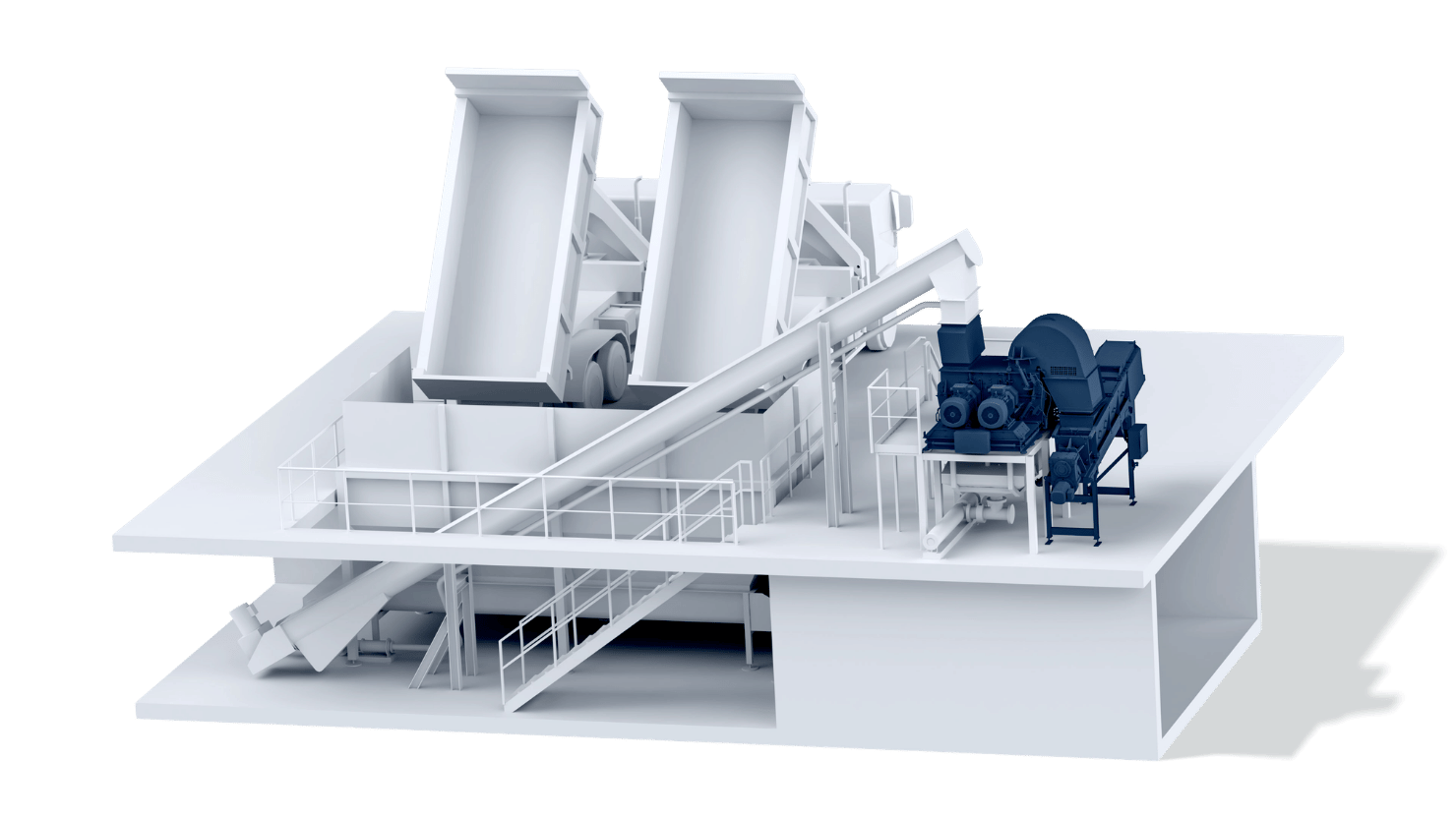
We not only supply the DRM depackaging machine, but also, if desired, a complete system including bunker, transport and washing machine. The process only runs efficiently if all sub-processes are optimally coordinated.



Typical Next Steps
- Clarify requirements: We analyze your requirements and general conditions together
- Visit references: Visit a satisfied Tietjen customer
- Project planning & quotation: Development of an individual system concept and quotation
- Implementation: Delivery, installation, and commissioning by our experts
- After sales: Long-term support, spare parts, and maintenance with guaranteed availability
Tell Us about Your Challenge. We´ll Find the Right Solution.
Briefly describe your requirements to us – we will listen, ask the right questions and develop a customised Tietjen solution for your application.