Depackaging Machine DRM
Reliably separates organic matter and packaging from organic waste
- High degree of purity thanks to superior double rotor principle
- Suitable for commercial and municipal organic waste
- Reliable, durable and robust machine
- Successful plants worldwide
- Optimised plant for maximum efficiency
- Highly resistant to contaminants
Depack and Separate Food Waste
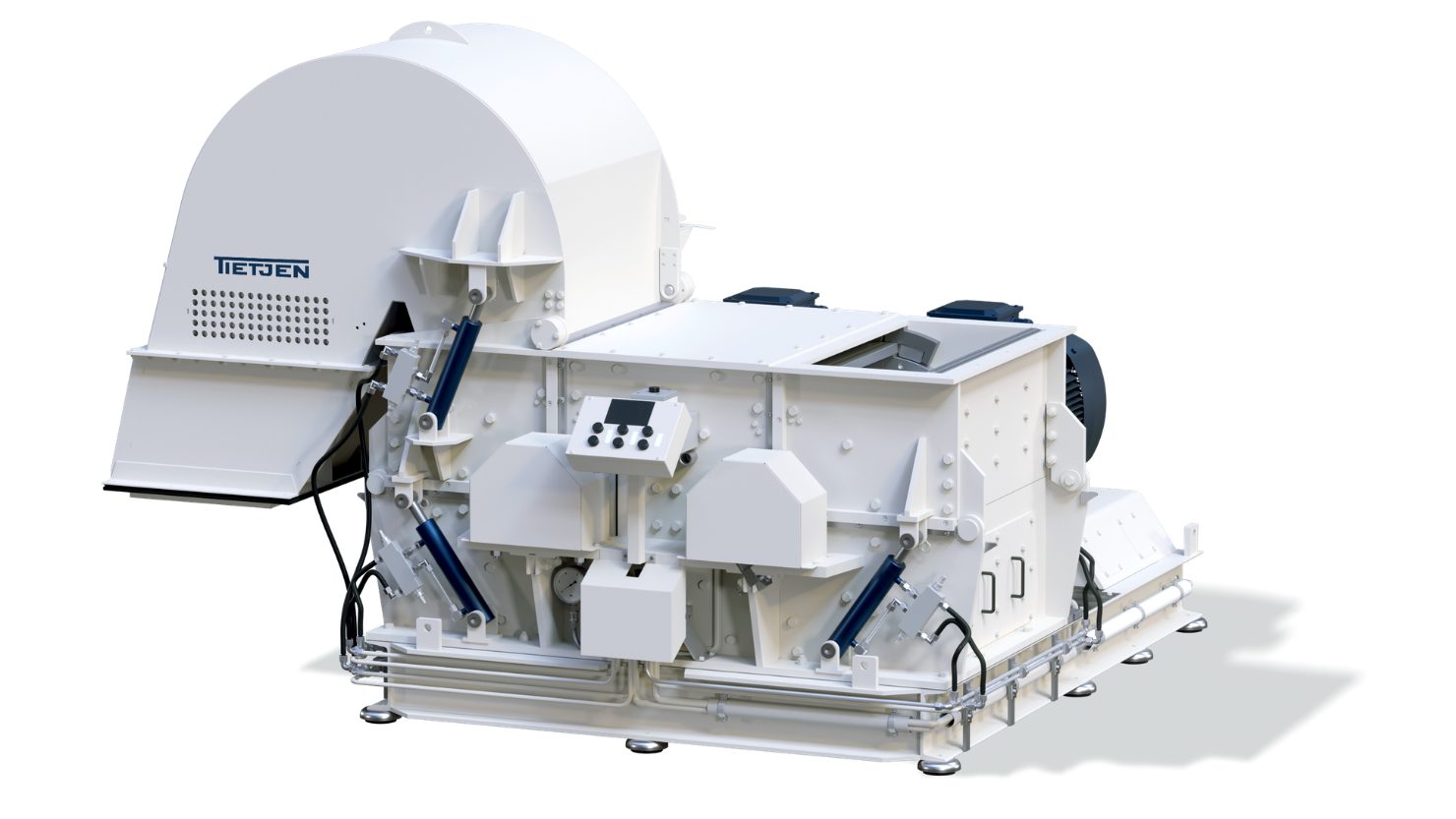
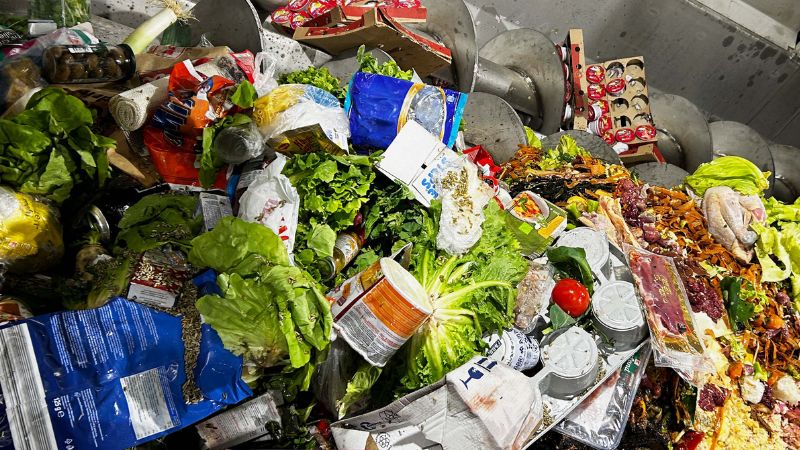
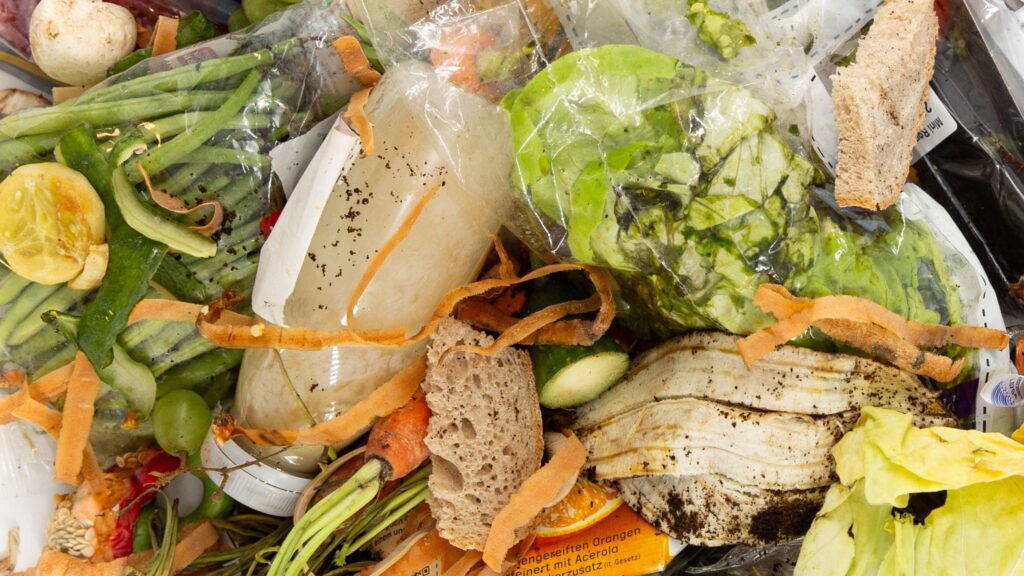
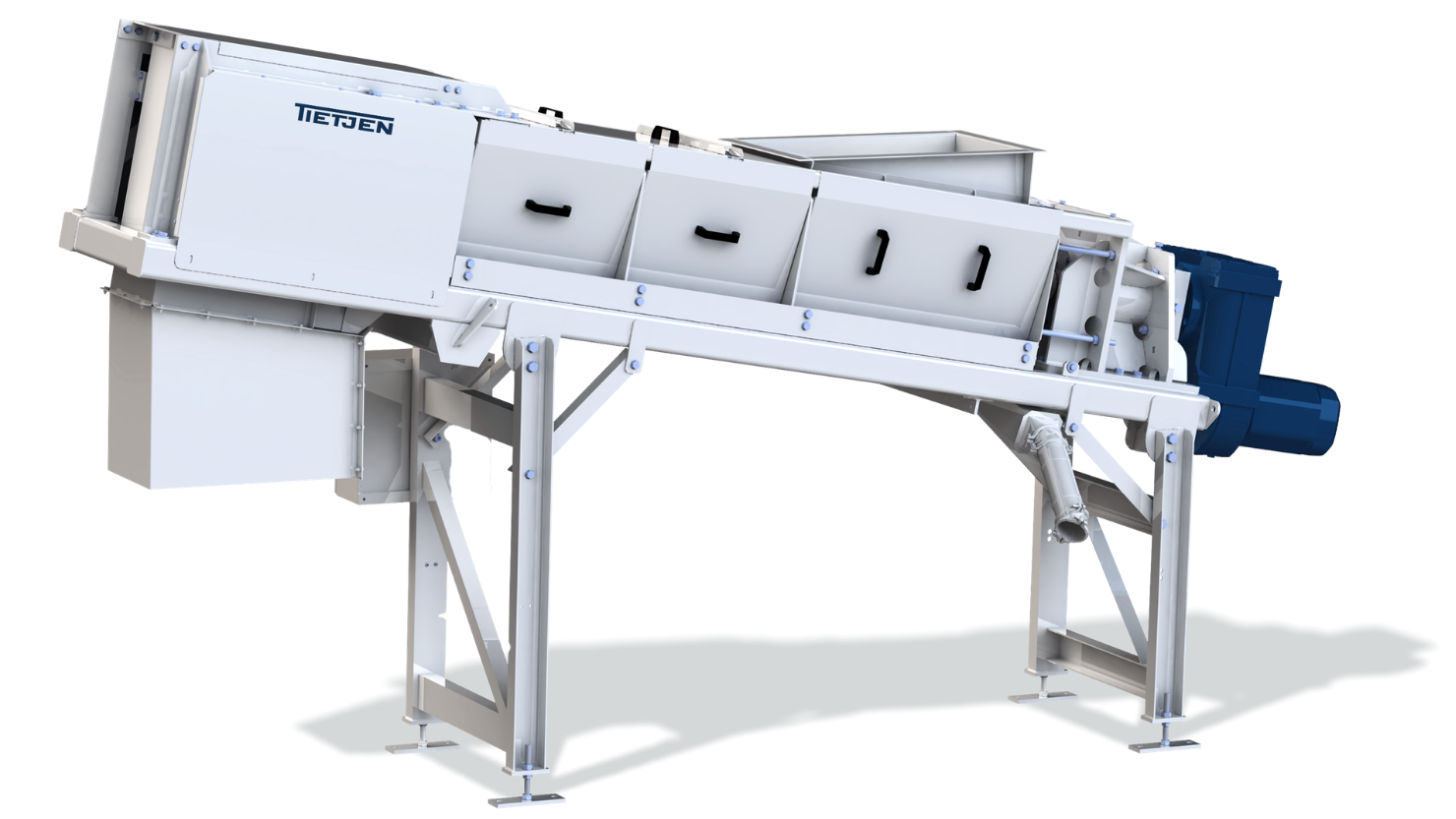
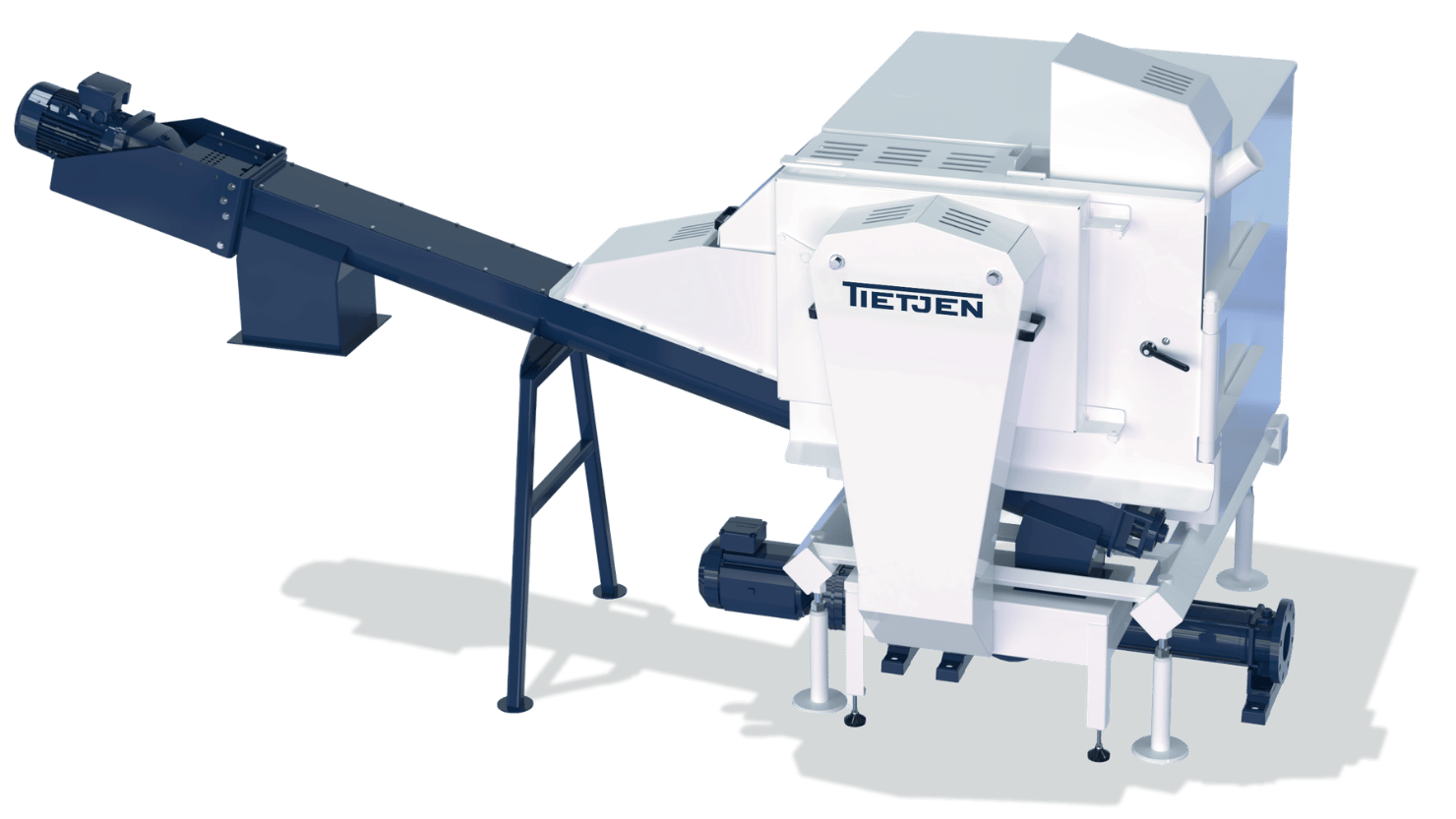
The depackging machine DRM is specially designed for the reliable separation of biogenic material from foreign matter (e.g. packaging) from various types of biowaste (e.g. supermarket waste). Its unique design enables high separation performance with minimal energy consumption.
Today, the depackaging machine DRM is in continuous use in various recycling plants: it unpacks and homogenises food waste, thus optimally preparing it for recycling in biogas plants.
Take Advantage of These Benefits
- Reliable separation of organics and inorganics
- Double rotor principle enables a high dry matter content and reduces the addition of liquid
- Rotational speed of the rotors can be independently adjusted to the material by means of a frequency converter
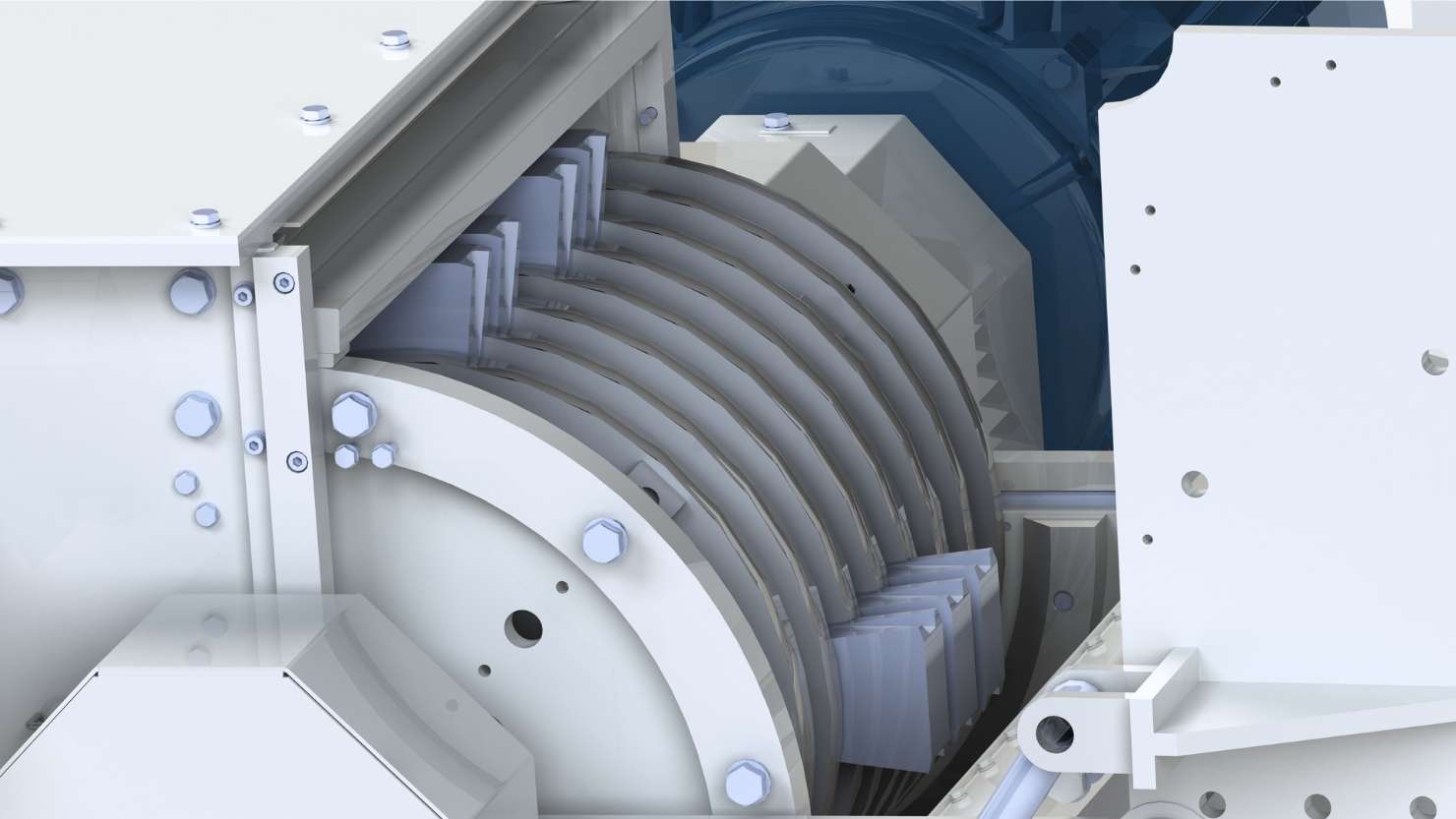
- Robust welded-screw construction made of stainless steel for continuous industrial operation (24/7)
- Beaters made of wear-resistant cast material for high mechanical loads
- Impact bars to protect the housing, individually replaceable
- Upper housing can be opened hydraulically in two segments for maintenance or in the event of a malfunction, each independently of the other
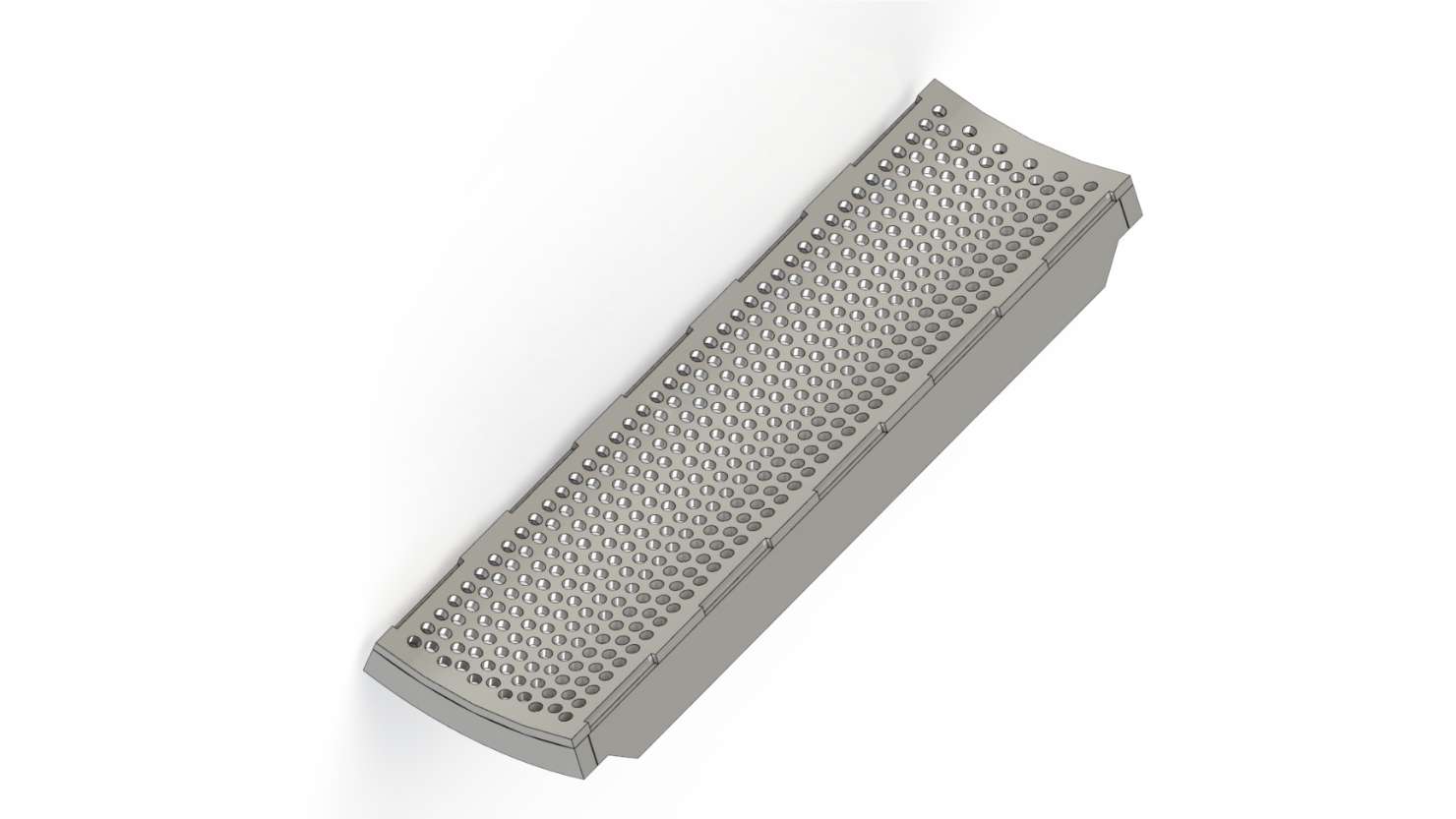
- Screens divided into 2 x 4 segments, individually replaceable depending on wear and tear
- High tolerance to impurities
- Sensors for monitoring bearing temperatures
- Sensors for monitoring the rotor speed
- Control panel for the hydraulics with two-hand operation

Technical Data
| Machine type | DRM 800 |
| Throughput capacity (t/h) | up to 25 t/h |
| Drive motor (kW) | 2 x 55 or 2 x 75 kW |
| Speed (rpm) | 1200-1500 |
| Impact area (m²) | 0,8 m² |
| Screen area (m²) | 1,3 m² |
| Dimensions and Weight | |
| Working width (mm) | 800 mm |
| Length x width x height (approx. mm) | 2570 x 2835 x 1930 mm |
| Weight (approx. kg) | 4500 kg |
| Hydraulic System | |
| Drive motor (approx. kW) | 0,95 kW |
| Oil filling quantity (l) | 7 l |


FAQs
A depackaging machine for commercial/industrial or municipal organic waste separates organic waste or food waste from faulty batches or returns into organic and foreign materials so that both waste streams can be optimally recycled.
Unlike shredders, which shred everything, depackaging machines are designed to gently open packaging and cleanly separate organic matter and packaging.
After separation, the organic waste stream is typically used in a biogas plant, while the inorganic waste is often thermally recycled.
Tietjen depackaging machines are ideal for throughputs of 15–25 t/h, making them perfect for medium-sized and large commercial waste treatment plants of industrial quality.
Thanks to their robust, industrial design, the plants are designed for continuous operation and guarantee high availability even with highly fluctuating waste volumes. They thus offer a reliable solution for companies that want to process large streams of biowaste economically and send them for further recycling.
Tietjen has designed and built plants with up to 3 depackaging machines running in parallel.
Tietjen depackaging plants impress with low wear thanks to robust material thicknesses and a construction made entirely of stainless steel, which significantly reduces maintenance costs.
The plants are designed for a long machine life and are characterised by minimal downtime. Internal cleaning is almost completely unnecessary and is only required at long intervals. Maintenance does not usually lead to long production downtimes, and even rare malfunctions can be quickly rectified. This is due to the simple, tool-free opening of the machine by means of hydraulics.
Thanks to high throughput and flexible use with changing input materials, even different waste streams can be processed efficiently, enabling companies to treat large quantities of biowaste reliably and economically.
Another factor that ensures economical operation is the low specific energy consumption.
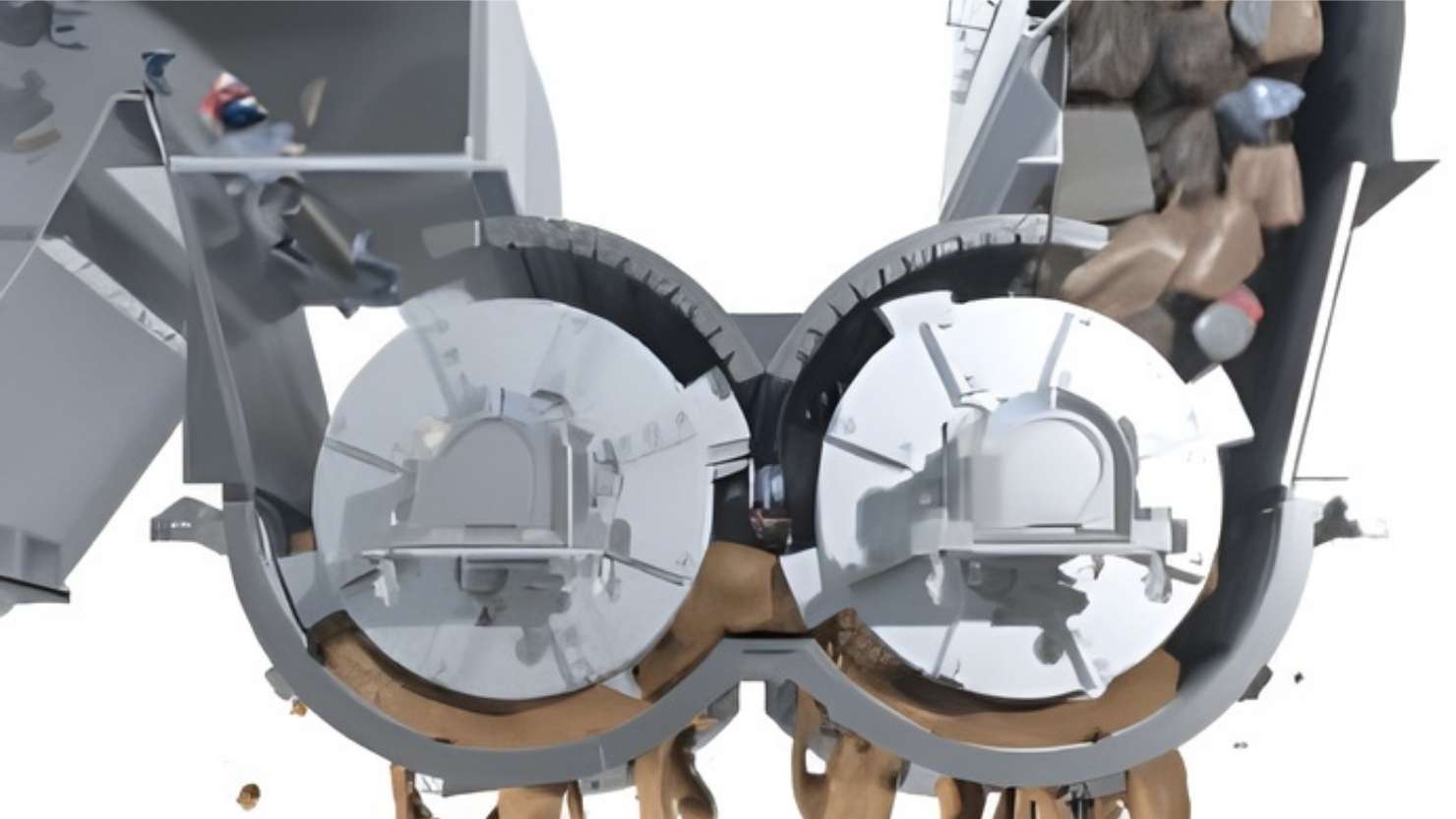
Our DRM works on the double rotor principle. This is the only way our depackaging machine can achieve above-average purity in the processing of mixed organic waste, while at the same time offering high throughput and process reliability.
Double rotor process twice as good:
- The wide beaters of the first rotor open packaging reliably and gently without shredding it.
- Thanks to the small distance between the beaters and the screen, the biomass is pressed through the screen without the addition of large amounts of liquid.
- The second rotor takes over the material and repeats the process.
- The pressed packaging material is very light and is ejected upwards from the depackaging machine by centrifugal force. Foreign matter that still contains too high a proportion of organic material remains in the machine.
The double rotor principle enables:
- High dry matter content
- Reduced liquid addition
- Ensures precise separation
- Reduced organic losses
Thanks to the double rotor principle and the welded stainless steel construction, the DRM depackaging machine is extremely robust and separates with maximum purity results on the one hand, while on the other hand it can easily cope with hard impurities such as stones, metal parts and other bulky contaminants.
This makes DRM particularly popular with plant operators, as daily operation is usually trouble-free and smooth. This trouble-free operation also contributes significantly to the plant’s economic efficiency.
The DRM depackaging machine separates organic waste and packaging with little or no addition of water or liquid. Only in the case of very dry waste can a minimal addition of liquid through integrated nozzles improve the separation performance.
This is how our depackaging machine achieves its high cost-effectiveness; the resource-saving separation saves twice:
- On the one hand, because hardly any water is needed for separation, which means that the organic concentration is very high and is not diluted.
- Secondly, a high organic concentration means a lower investment in the fermenter for biogas production, as it can be designed to be smaller.
- Further dewatering of the packaging can be carried out by our
press screw. The organic matter obtained is also fed into the fermenter.
Thanks to its robust stainless steel construction, the DRM can withstand the most demanding separation tasks and has also proven itself in 24/7 multi-shift operation in waste disposal plants.
The built-in hydraulics make it easy for operators of food recycling plants to open the machine’s housing halves for maintenance or to quickly remove solid contaminants. Essential spare parts, which only need to be replaced after several years, can be easily changed, ensuring a very long service life for the depackaging machine.
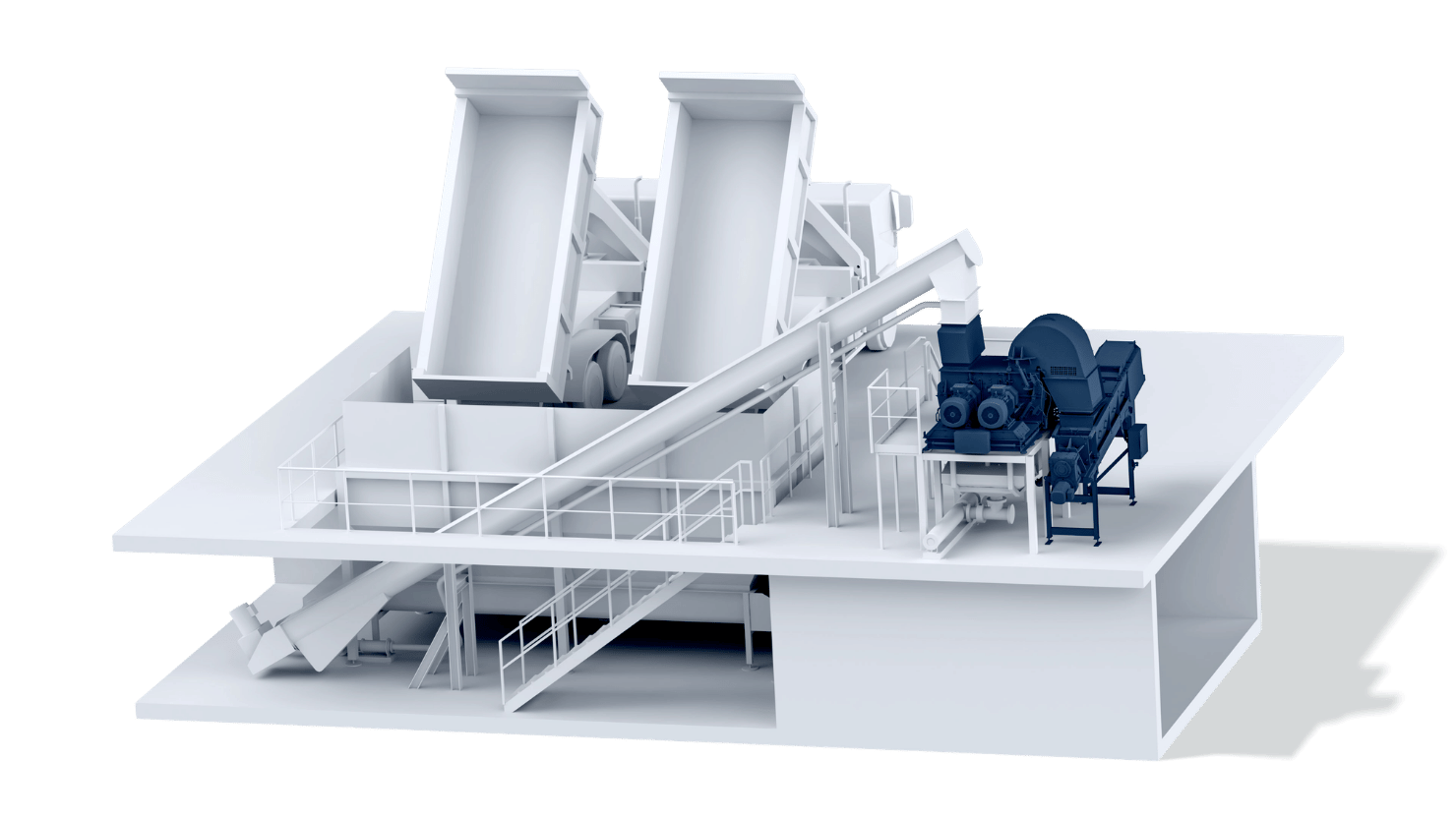
Only with optimal acceptance, conveying and automatic control can the plant operate efficiently and achieve a high level of organic purity. The acceptance, emptying and cleaning of large waste containers is often also part of a plant. This can of course be integrated into Tietjen plants and, depending on customer requirements, can be carried out either manually or fully automatically. From the initial enquiry and planning to the completed commissioning, you have a single point of contact.
Tietjen offers simple compact plants for throughputs from 8 t/h up to large customised plants in which several DRMs run in parallel. Get more information about Tietjen’s plant engineering
It is common to speak of 99% or 99.5% purity. It is important to know what basis this is referring to. For example, if we assume 5 kg of foreign matter in a waste stream of 1 t, this results in a purity level of 99.5%. However, the decisive factor for compliance with the guideline values is the reference to dry matter. Assuming a dry matter content of 20%, the waste stream minus water is reduced from 1 ton to 200 kg. However, the amount of foreign matter remains the same at 5 kg, resulting in a purity of 97.5% based on the 200 kg waste stream.
At Tietjen, we always refer to dry matter when specifying purity. We have plants in countries with the highest requirements, are constantly developing our system and achieve the highest degrees of purity.
In Germany, where Tietjen has its headquarters and where Tietjen has installed most of its machines, further changes to the BioAbfallverordnung (BioAbfV) are pending, which have already been approved by the Federal Standards Committee.
The changes include a new regulation on the plastic content in pre-processed organic waste before further treatment in a fermenter. The requirements are a plastic content of less than 0.5% for particles larger than 2 mm, based on dry matter. In addition, the content of deformable plastics after the fermentation process must be less than 0.1% on a dry matter basis for particles larger than 1 mm, and the content of other foreign matter such as glass or metal should be less than 0.4% for particles larger than 1 mm.
Another important step is the dewatering of the inorganic fraction after separation. For reasons of transport or combustion efficiency, it is important to keep the material as dry and light as possible, which can be achieved by using a dewatering press such as the PRS screw press from Tietjen. The liquid extracted with the aid of the screw is fed into the biogas plant or storage tanks together with the clean organic fraction. There it contributes to biogas formation.
Reference Video Heinfelder Bioenergie
Reference Video NVM
Tell Us about Your Challenge. We´ll Find the Right Solution.
Briefly describe your requirements to us – we will listen, ask the right questions and develop a customised Tietjen solution for your application.