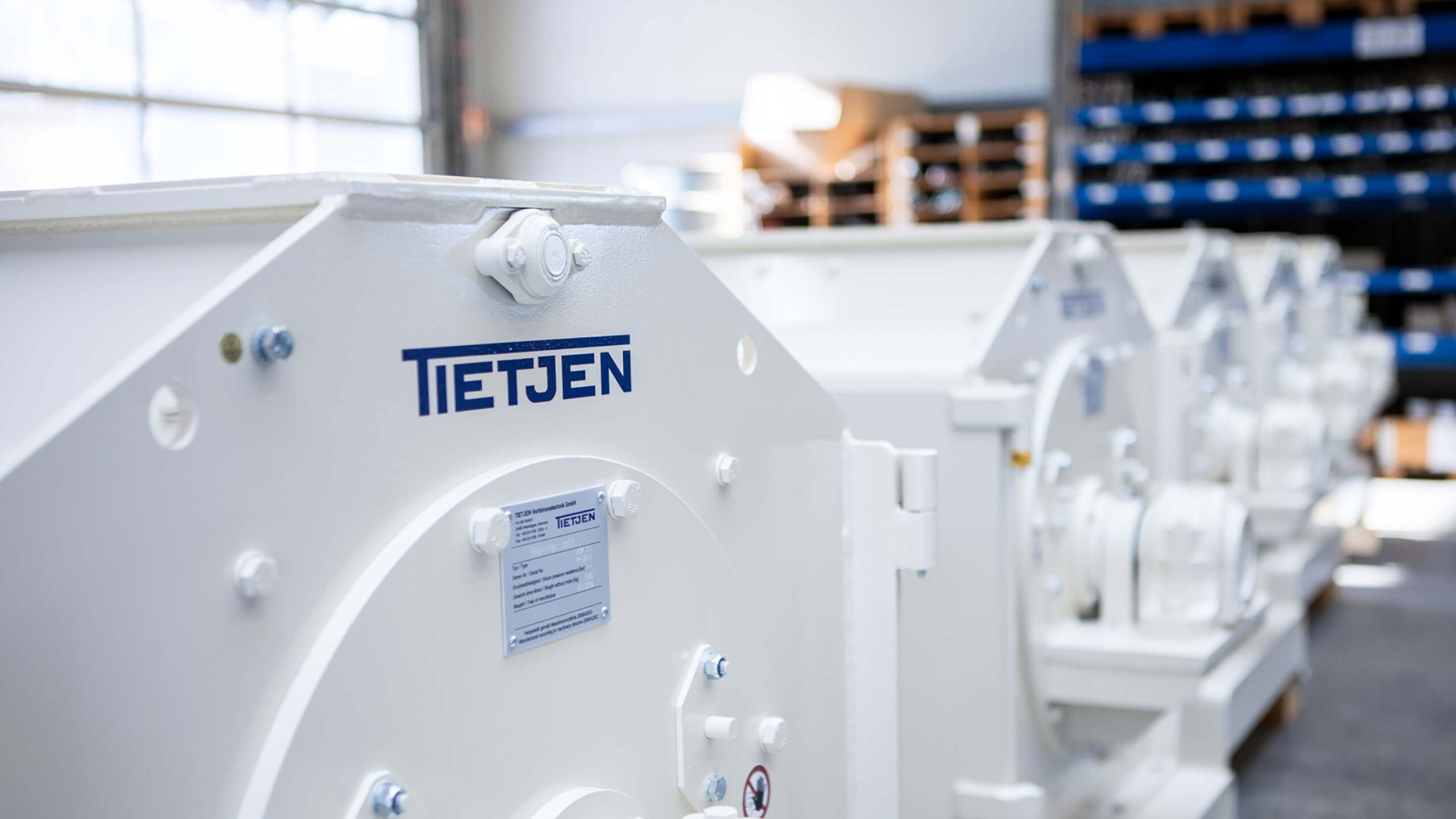
Hammer Milll
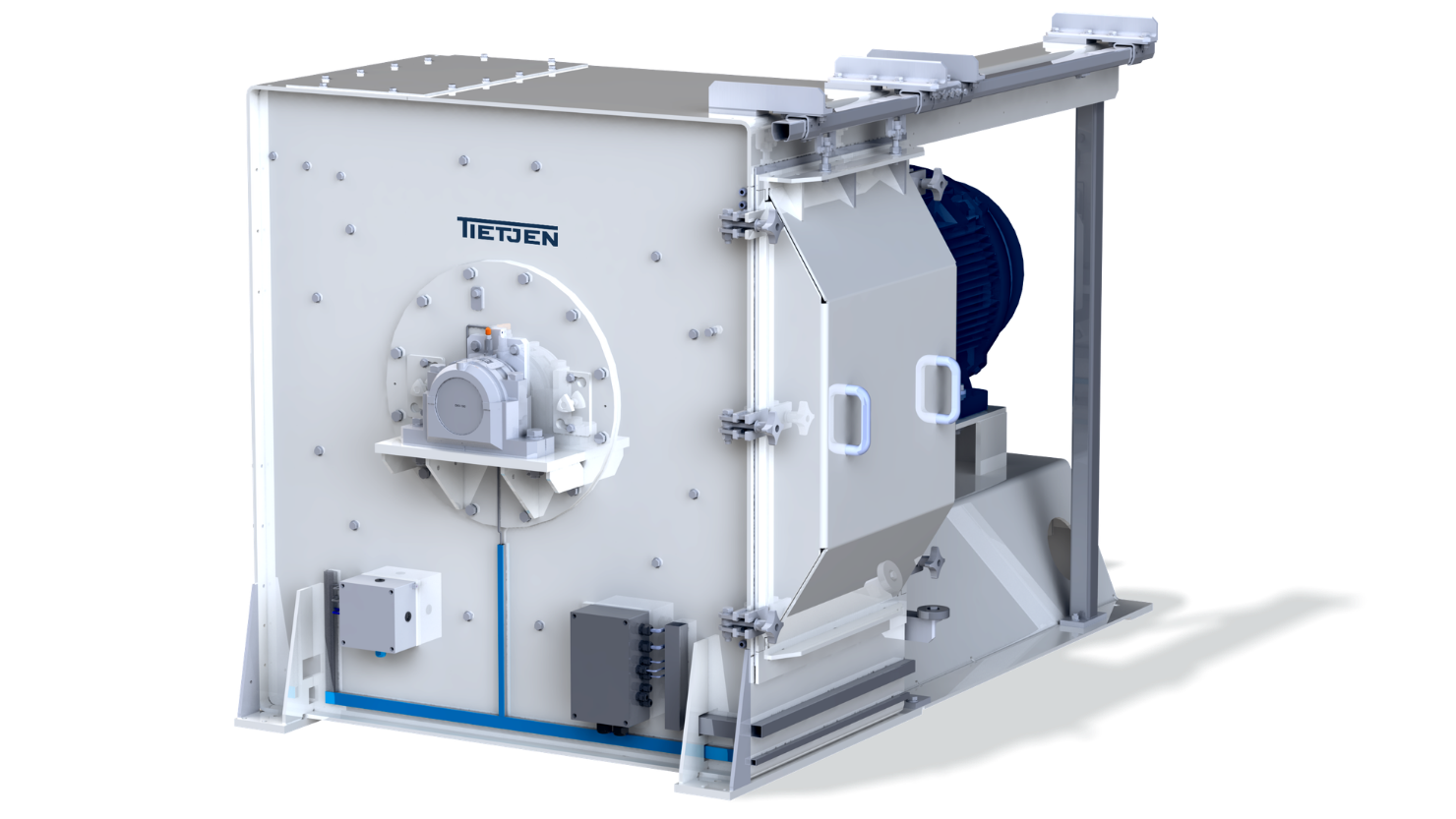
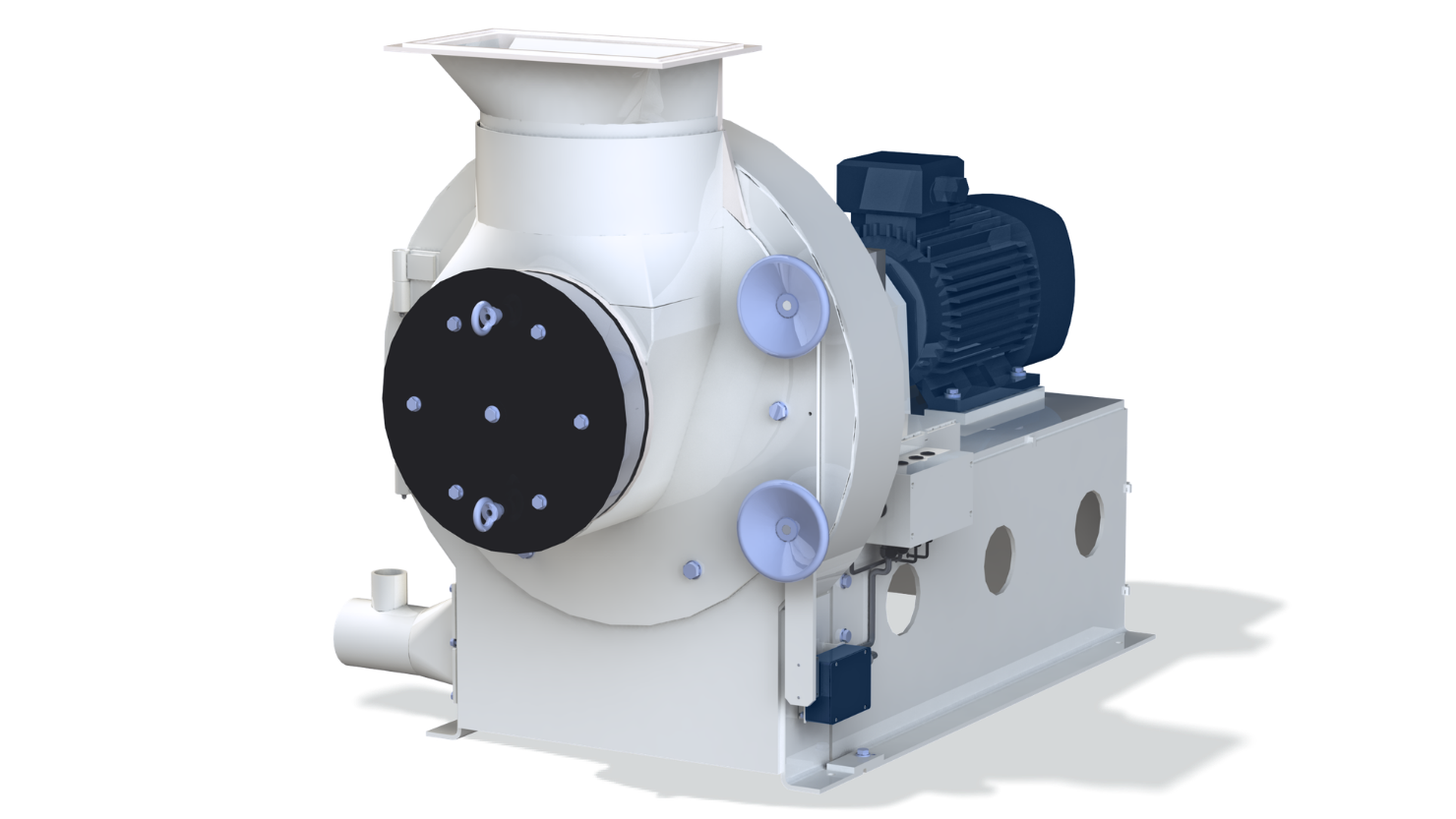
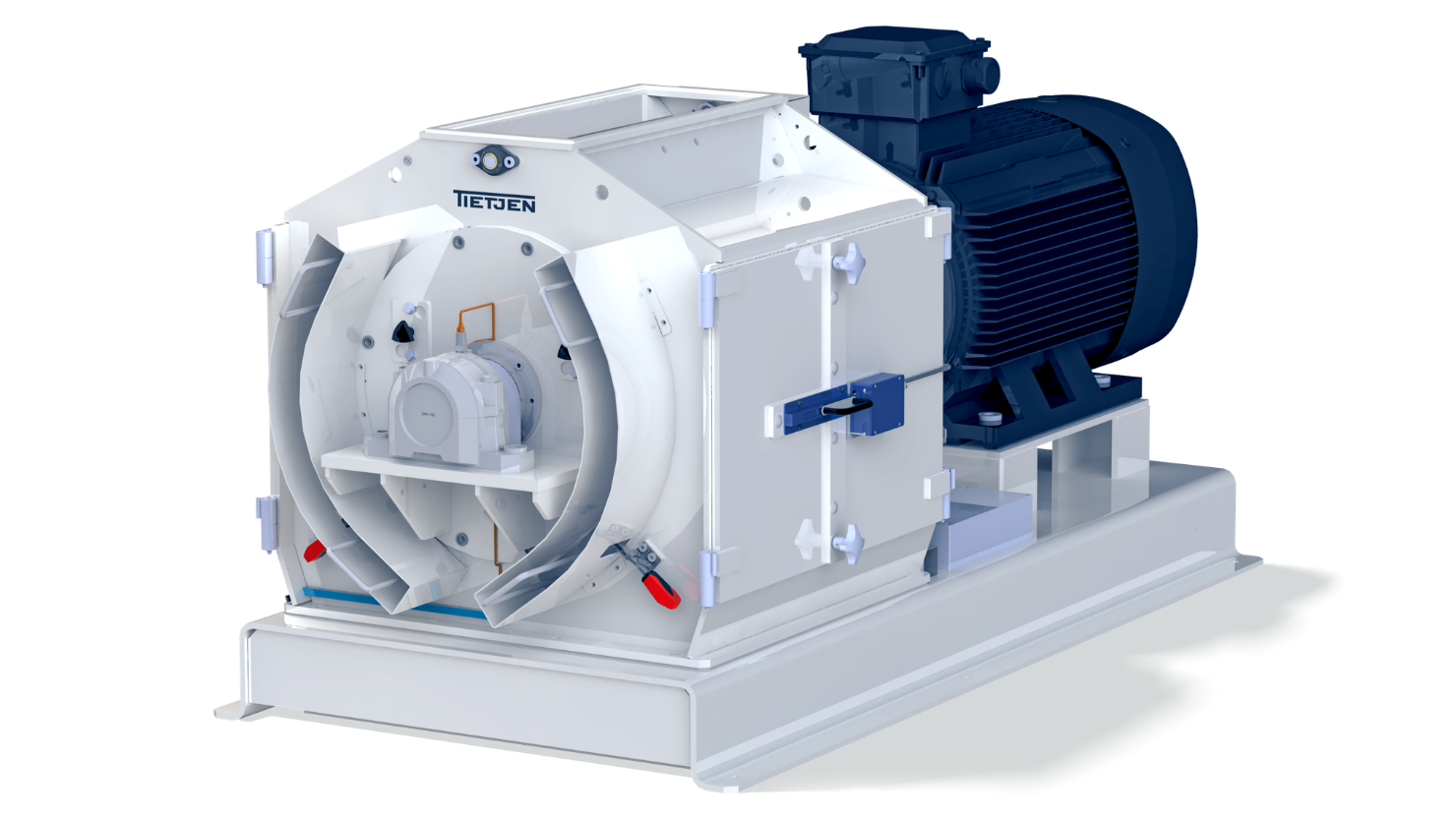
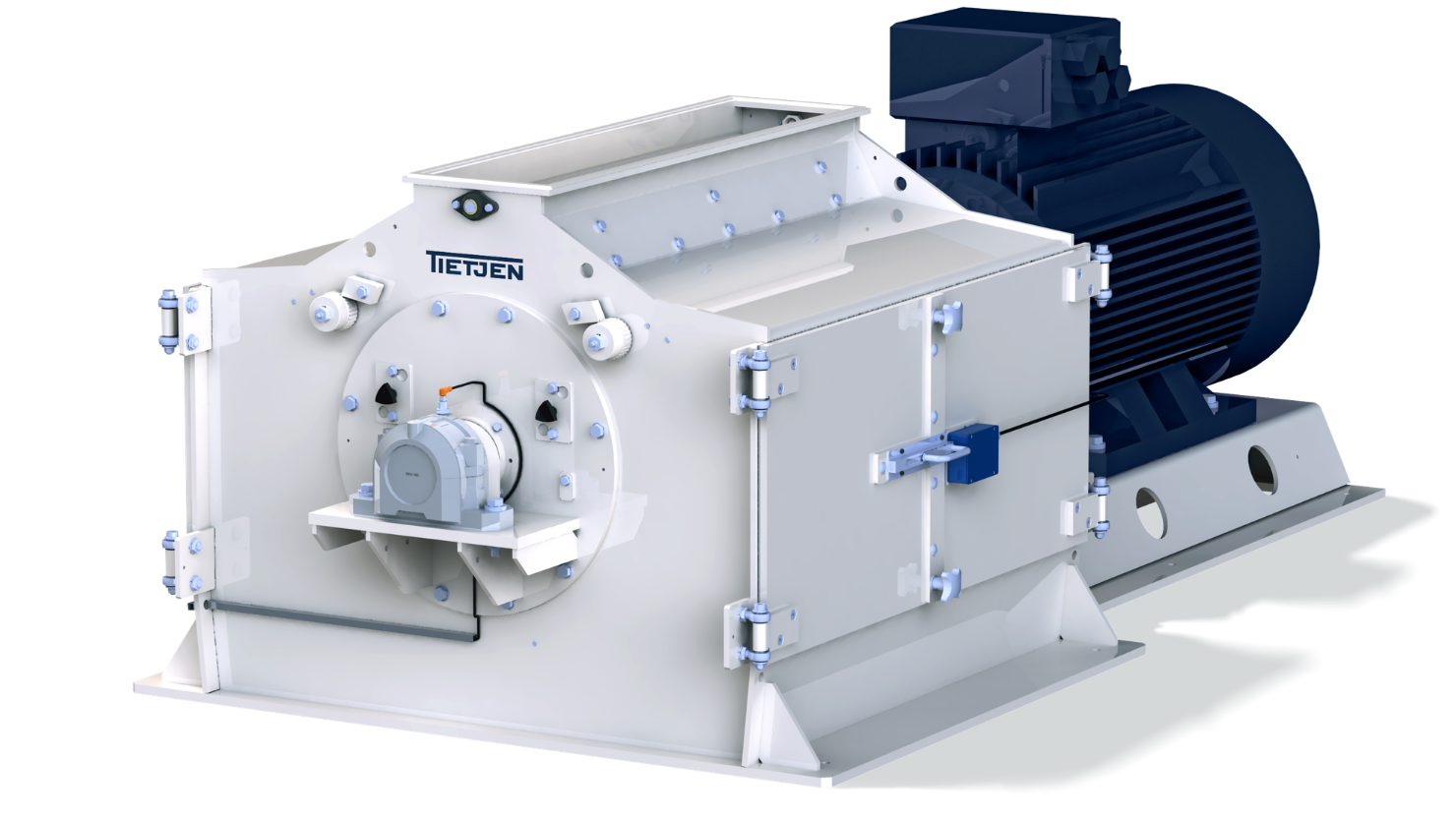
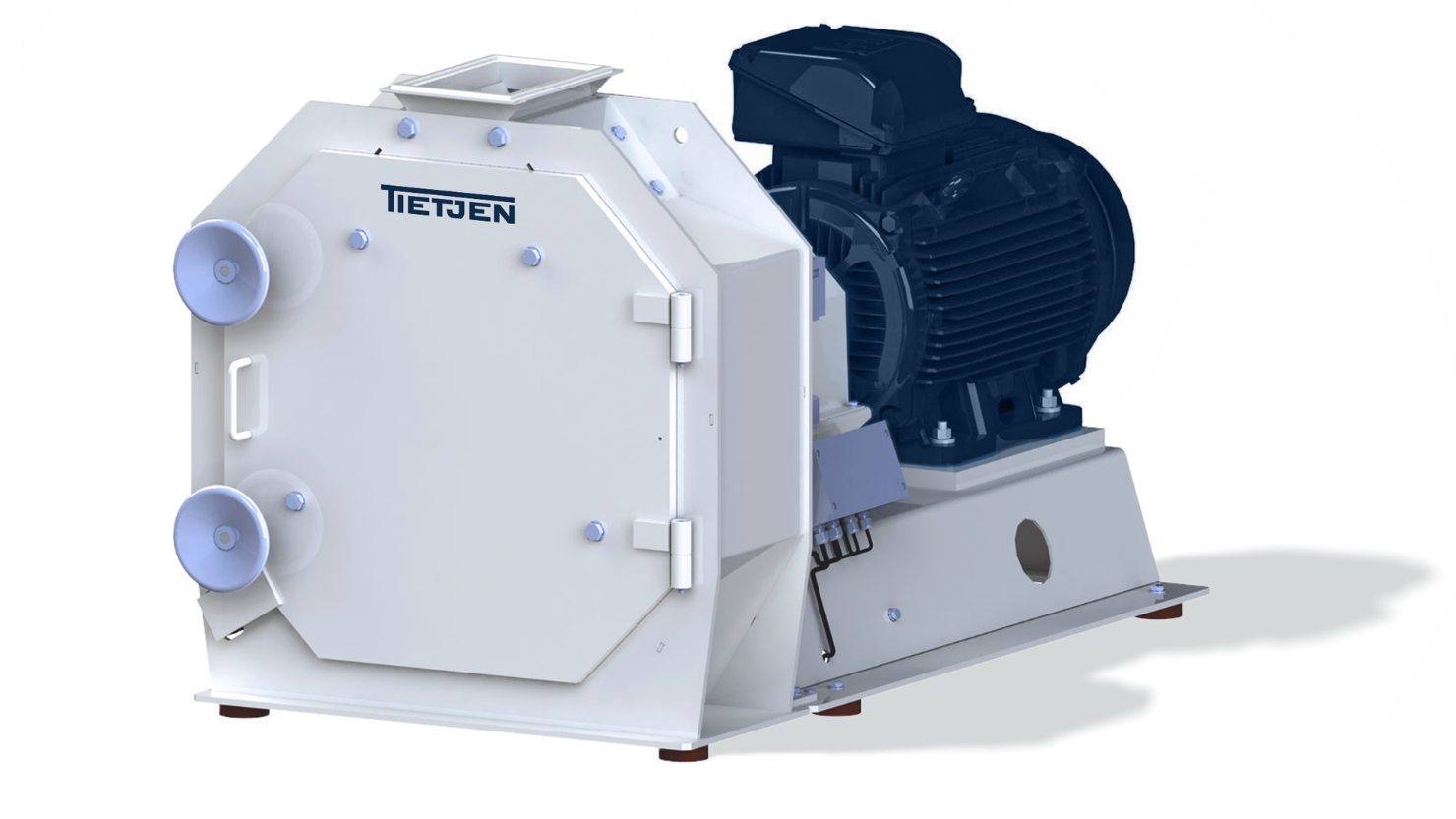
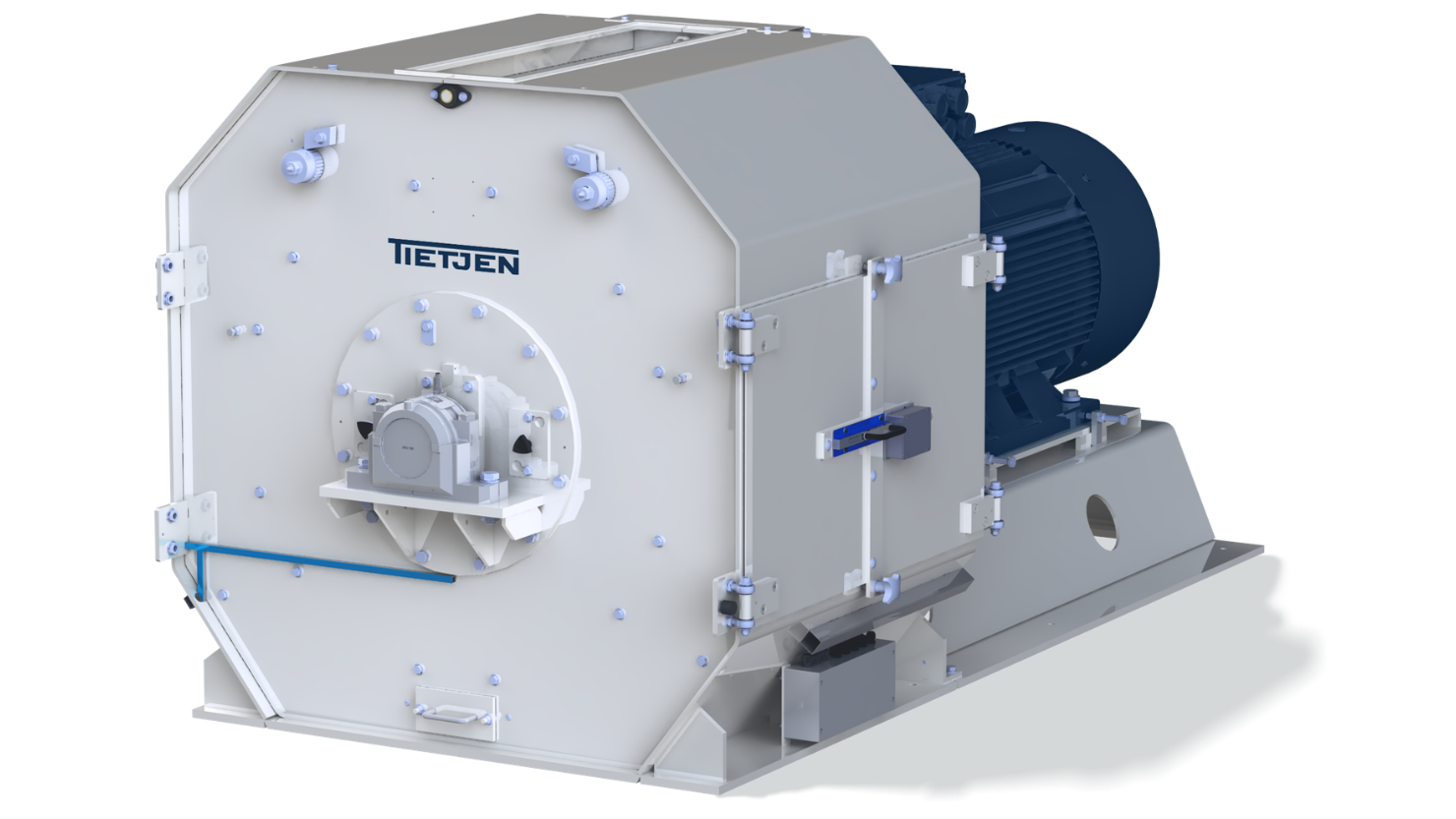
Our hammer mills are universal and flexible grinders suitable for a wide range of products.
Das Original – the Tietjen Hammer Mill
- Robust and energy-efficient machines – an investment that pays off
- Wide selection – Guarantees the perfect hammer mill for your application e.g. feed, food, wood, ethanol and many more
- Customised grinding systems for maximum productivity – More than just a hammer mill
Advantages of a Tietjen Hammer Mill
- Can be used for grinding many products
- Particle size distribution adjustable by varying the machine parameters (screen perforation, beater configuration and rotational speed)
- Optimized for coarse and fine grinding, depending on requirements
- Reliable grinding of even very heterogeneous or fat- and protein-rich feed materials
- Additional impact plates for optimum size reduction and narrow grist spectrum
- Peripheral speed of the beater up to 122 m/s
- Simple and cost-effective operation compared to other grinding technologies
- High availability and long service life
- Easy to maintain with low maintenance and service costs
- Screens and beaters can be changed quickly and easily
- Smooth running of the mill due to special rotor design with dynamic balancing
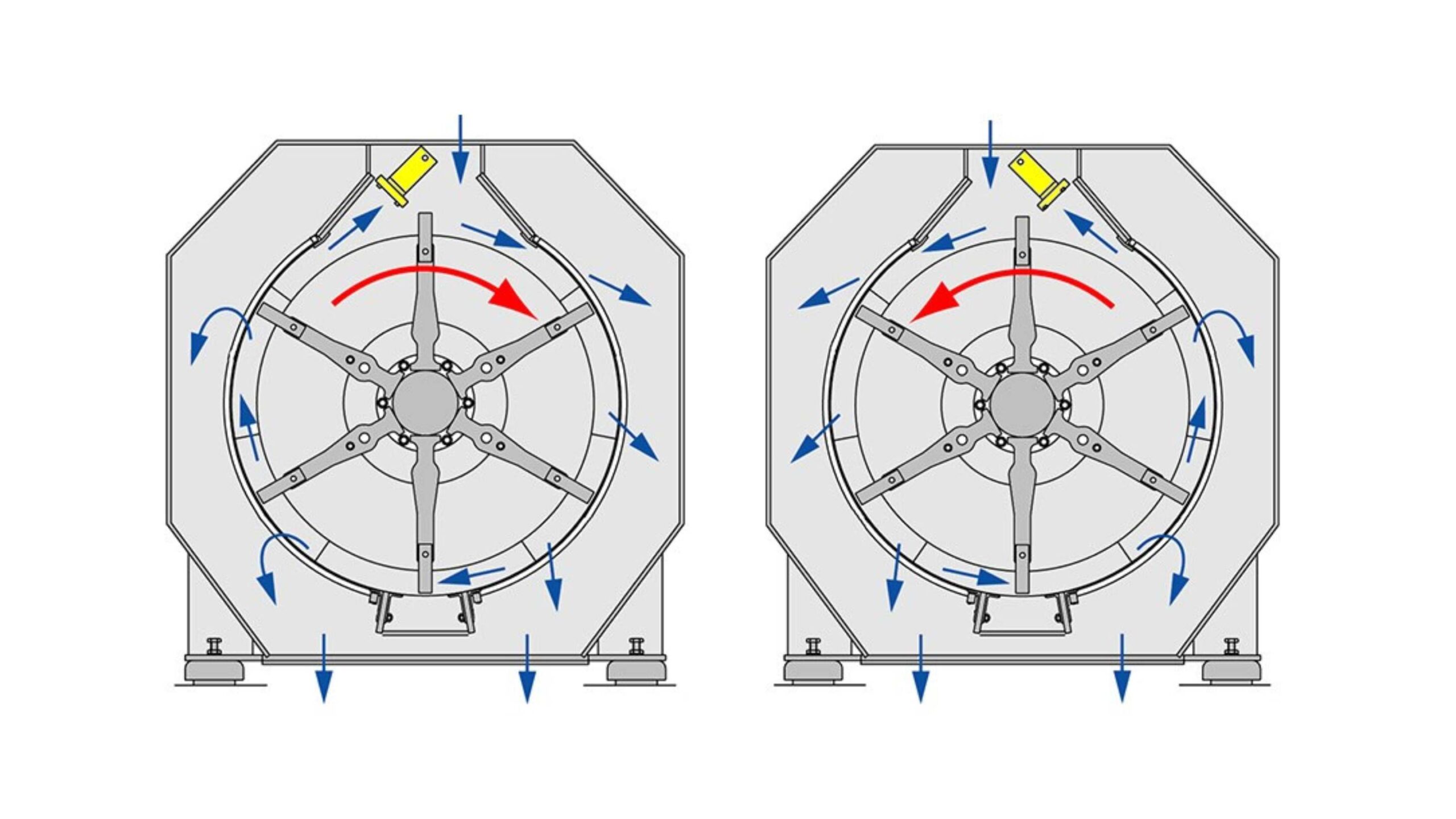
- Operation in both directions of rotation (except SD and HM)
- Stainless steel design possible
- After sales with decades of spare parts availability
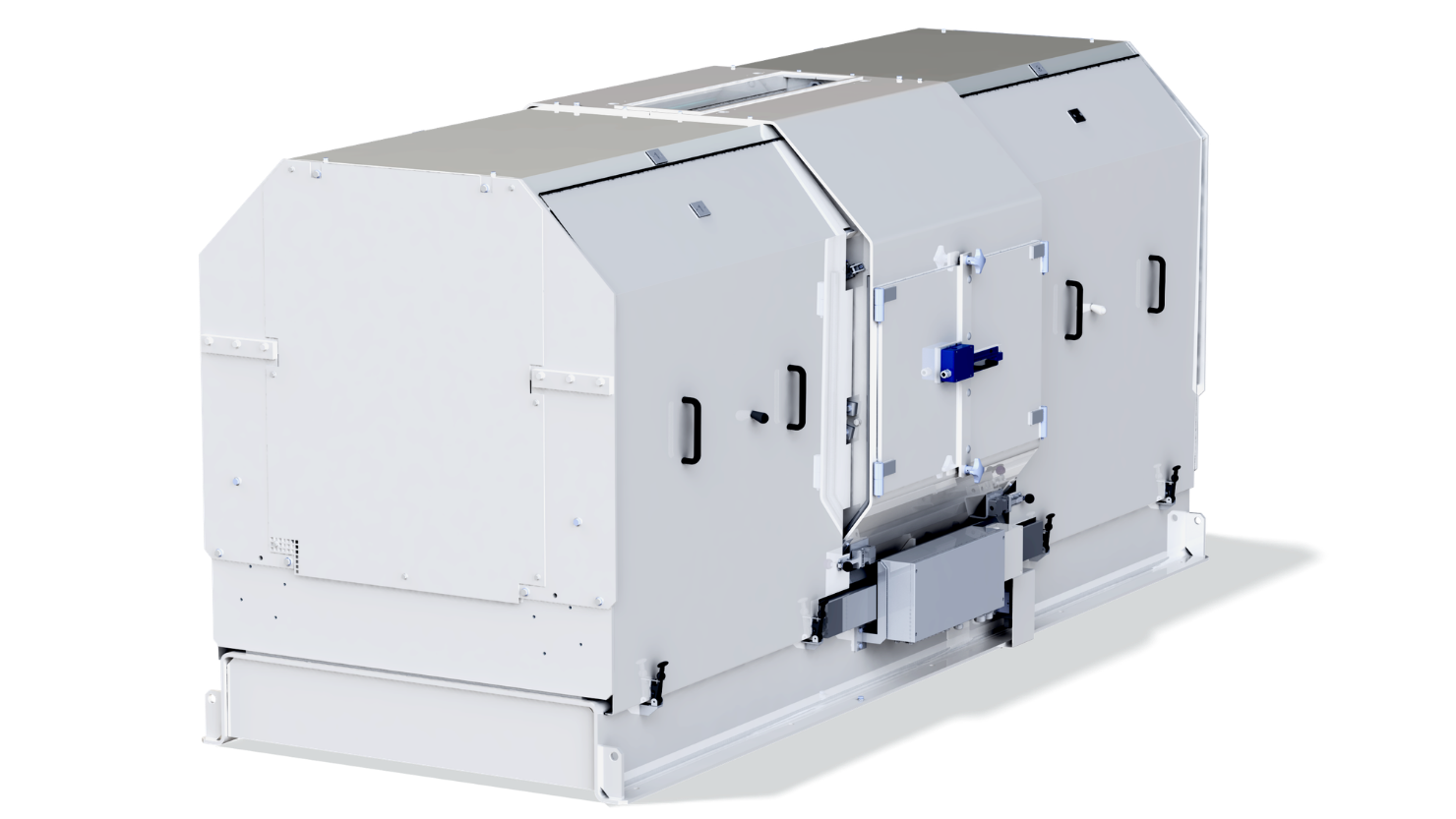
- Explosion protected and flame- proof design according to ATEX possible, 0.4 bar pressure shock resistant, zone 21 (II 2D) inside and zone 22 (II 3D) outside
- Automatic door locking with standstill monitoring
- Temperature monitoring of bearings and grinding chamber
- Negative pressure monitoring of the grinding system


Tell Us about Your Challenge. We´ll Find the Right Solution.
Briefly describe your requirements to us – we will listen, ask the right questions and develop a customised Tietjen solution for your application.
FAQs
A hammer mill is a versatile machine for particle size reduction used in numerous industries, such as animal feed production, the food and recycling industries, the wood and chemical industries, and mineral processing. Tietjen hammer mills are specially designed for grinding a wide variety of biomass.
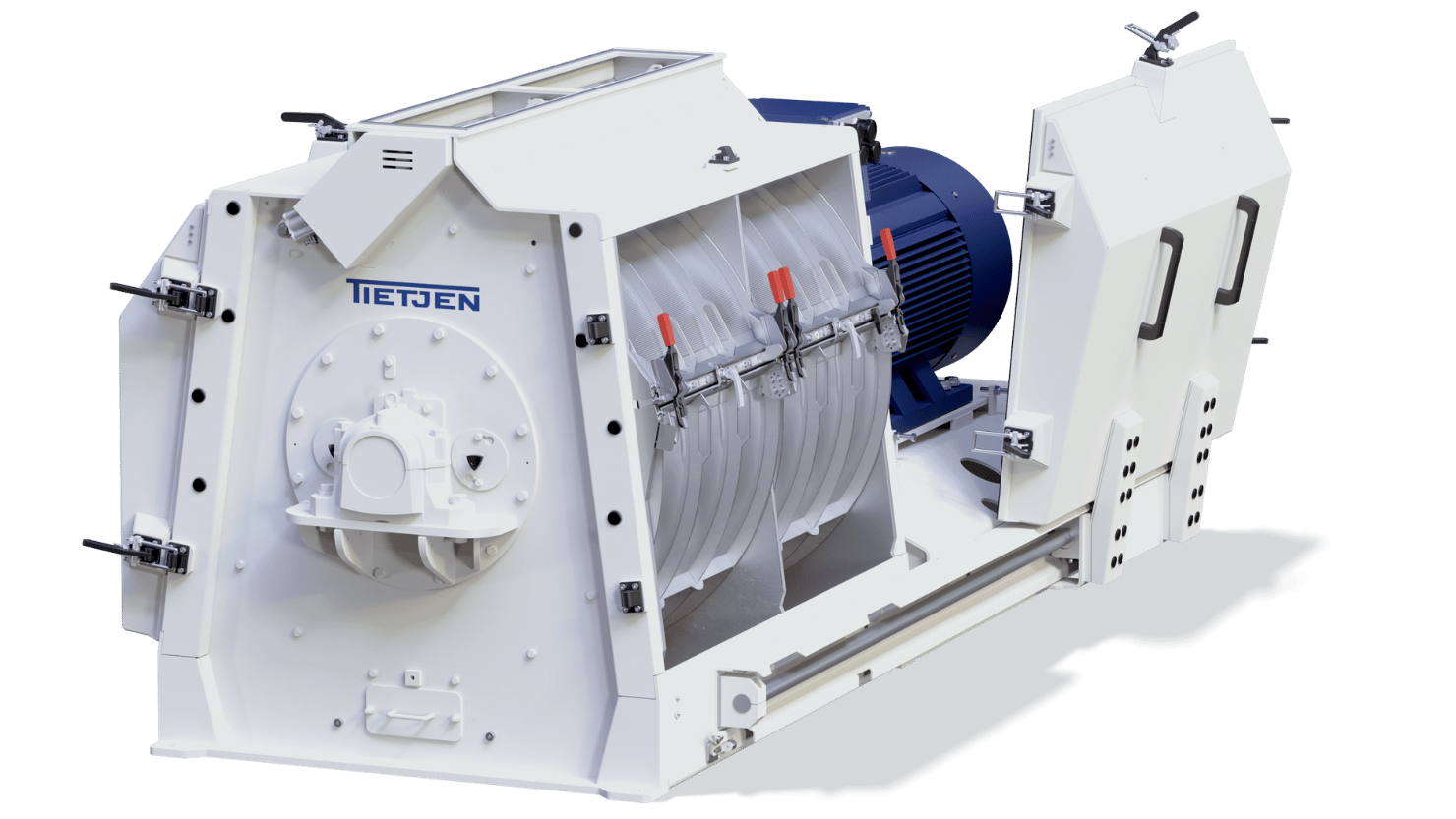
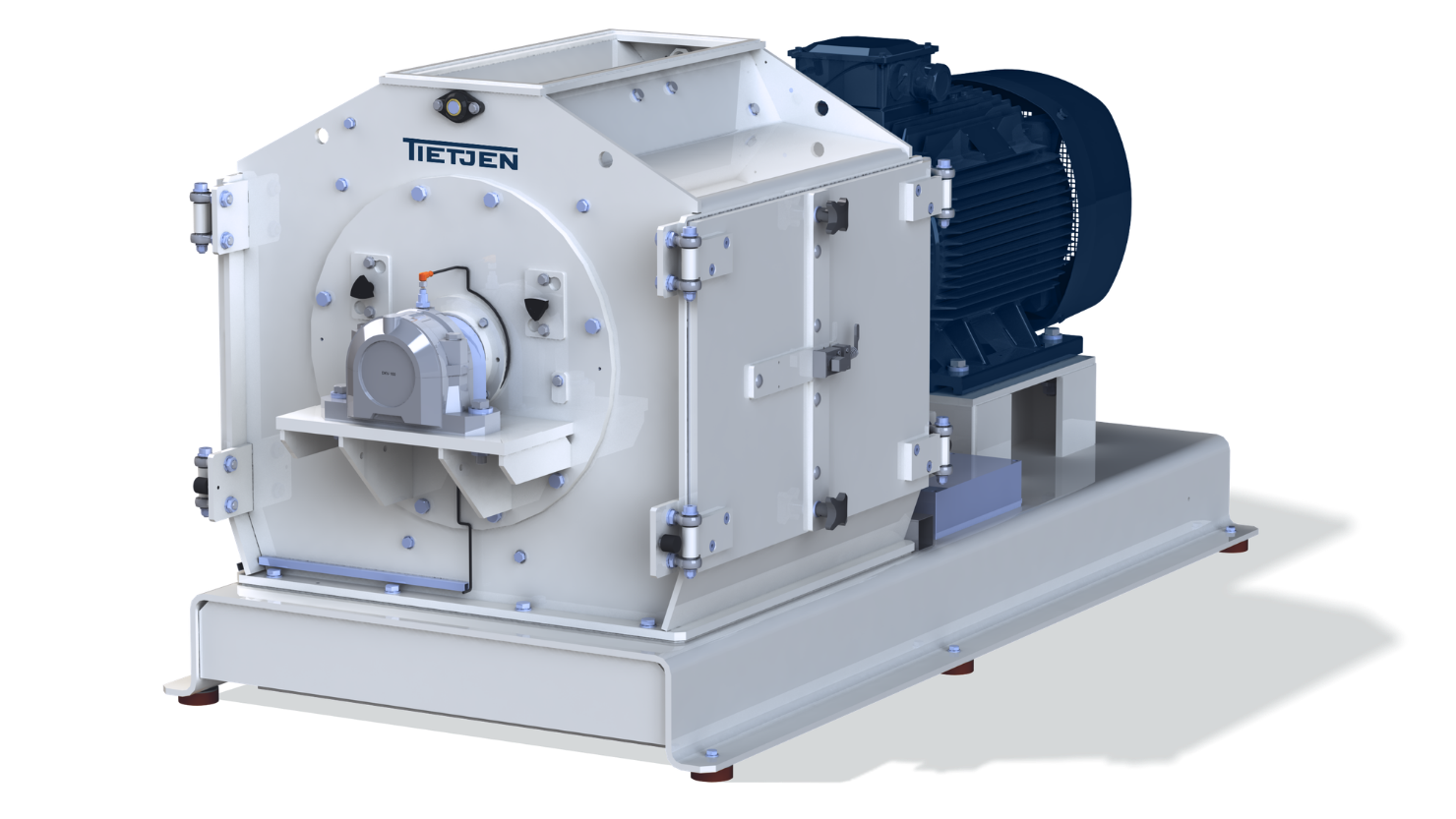
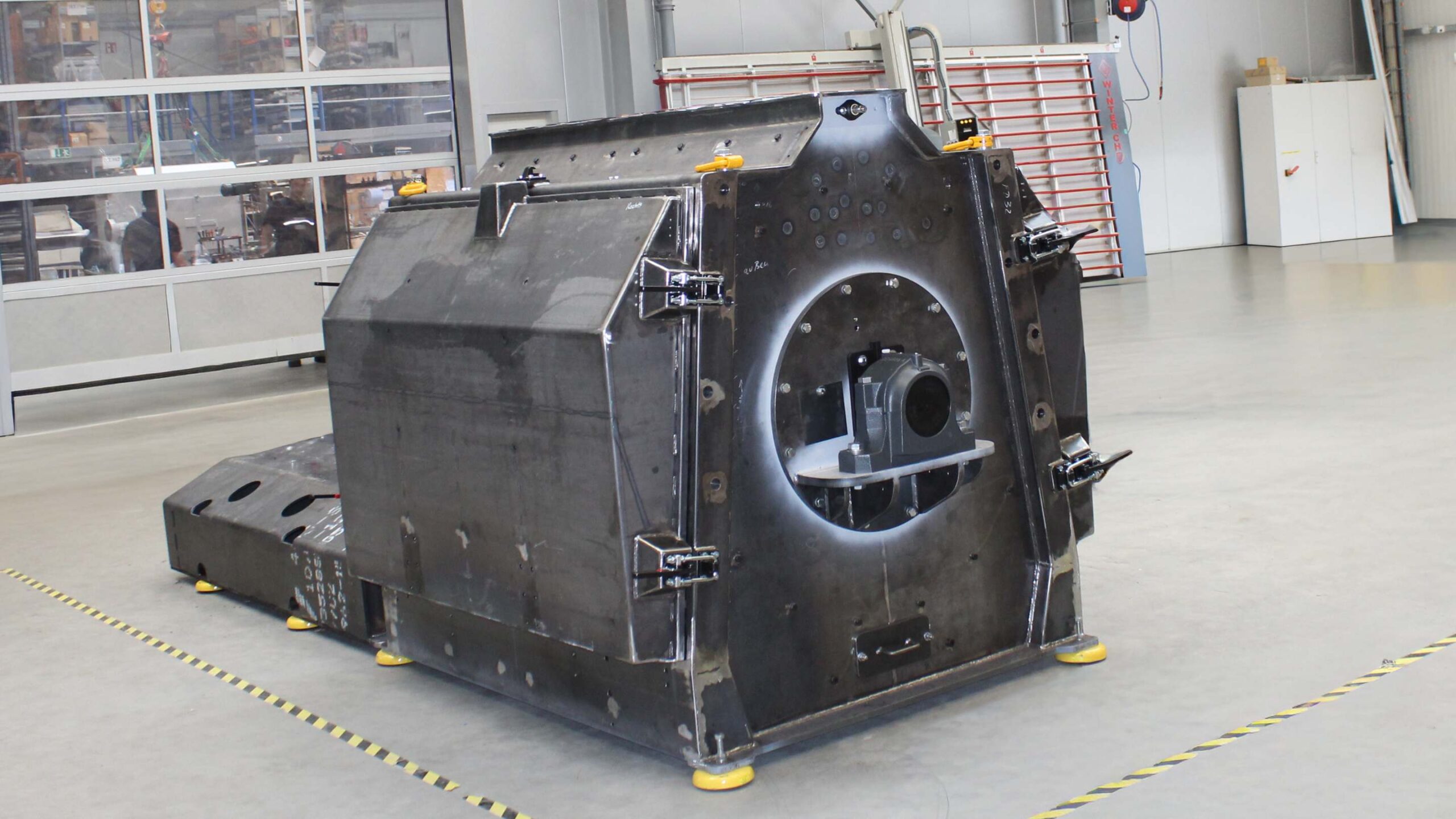
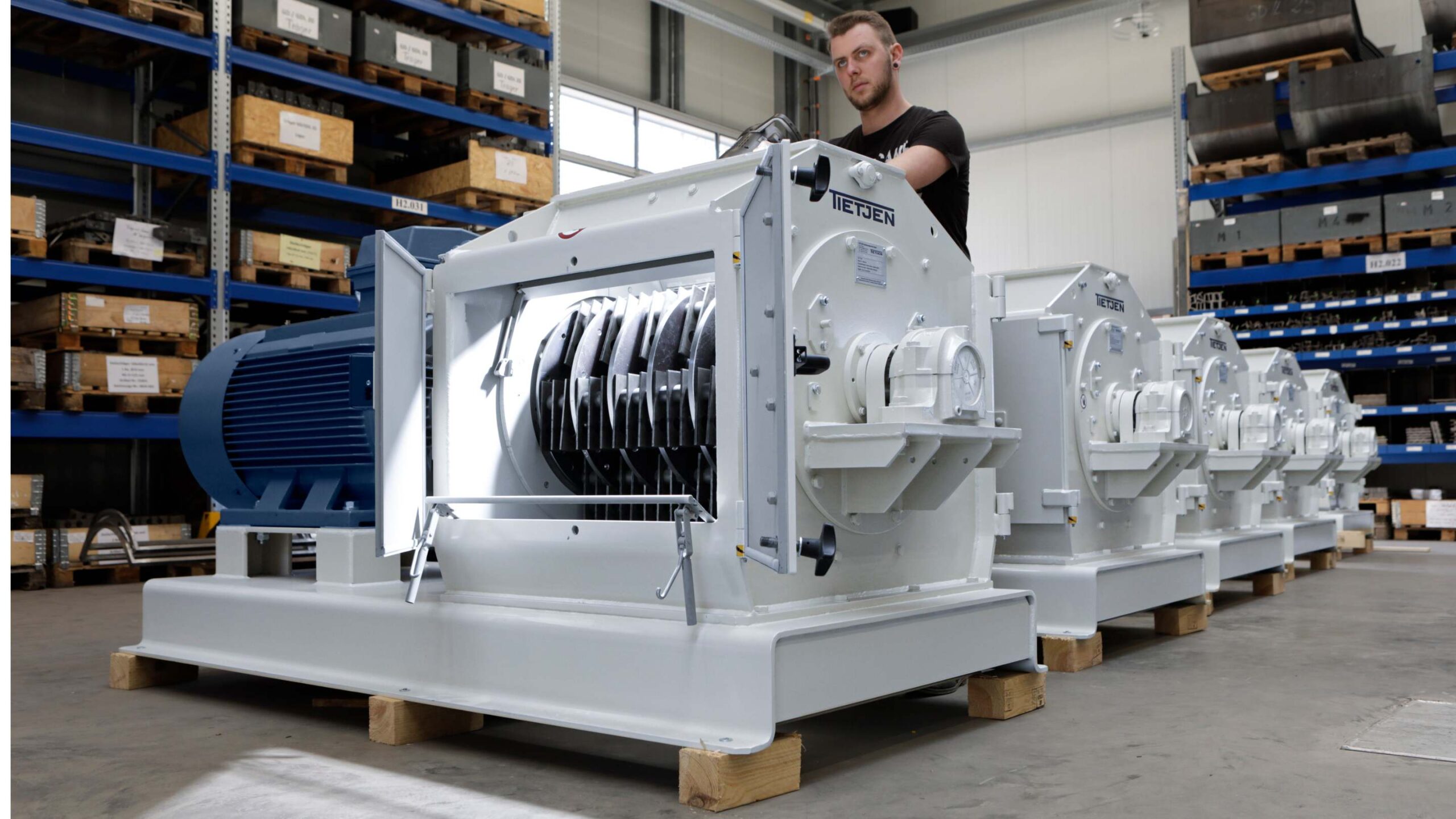
The hammer mill consists of a solid steel housing containing a rotating rotor, which is usually driven by an electric motor but can also be driven by other types of drive.
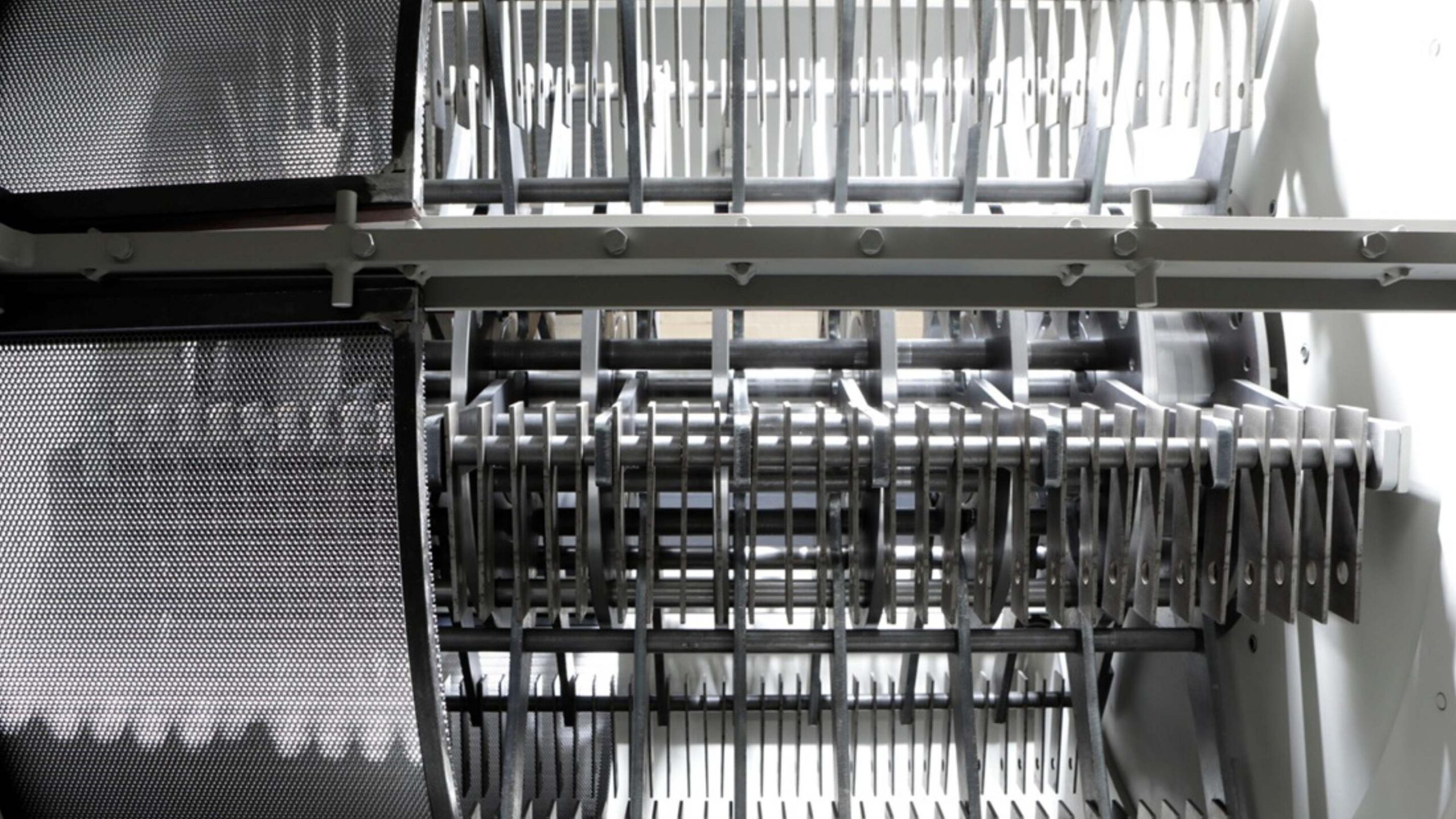
Several shafts are attached around the circumference of the rotor, to which pendulum-mounted beaters (hammers) are attached. During rotation, these are lifted by centrifugal force and reach peripheral speeds of 100–120 m/s.
The grinding chamber is almost completely surrounded by a screen – usually a steel plate with round holes. In addition, the housing is connected to an extraction system that creates a vacuum and thus supports the grinding process.
The material to be ground is fed into the housing from above. There it hits the rotating beaters, where it is crushed by impact. Further crushing takes place through impact on fixed parts of the mill or through collisions between the particles themselves.
Material that has been ground sufficiently finely passes through the screen, while coarser particles are retained and remain in the grinding chamber until they are fine enough. The screen thus determines the maximum particle size of the end product.
Aspiration – i.e. the extraction of air from the mill housing – fulfils several tasks: It supports the discharge of fine particles through the screen and cools the ground material. It also prevents the particles from remaining in the grinding chamber longer than necessary, which would result in higher product fineness, higher wear, higher heating of the ground material and lower throughput.
For optimum, efficient operation, it is essential that the material to be ground is distributed evenly across the entire width of the grinding chamber. This is achieved by the feed device, which regulates the flow rate to the mill. Modern systems usually operate with a load-dependent control system, in which the material feed is automatically adjusted to the power consumption of the mill motor – for low-wear and energy-saving operation.
The feeder also serves to separate foreign objects that would cause damage or excessive wear in the mill. The air for aspiration of the grinding system is also usually drawn in via the feed device.
The screen has the function of limiting the size. The oversize can be changed by replacing the screen. In addition to the screens, the aspiration, the beaters, and the speed have an influence on the particle size. Each of these factors can be individually adjusted to the customer’s recipe. In general, it can simplified be saying:
- the smaller the screen perforation
- the higher the speed
- the higher the number of beaters
the finer the end product.
After grinding, the product is transported out of the grinding chamber by aspiration. There are two common discharge options:
Mechanical discharge: Most of the ground material falls by gravity into a hopper below the mill. Only very fine particles are carried away by the air flow of the extraction system and separated from the air in a filter. The filter dust produced during filter cleaning is returned to the main flow of ground material.
Pneumatic discharge: All of the ground material is fed through the extraction system below the mill into a filter, which separates the air-product mixture.
In both cases, the ground material is finally discharged through a rotary valve. This also serves as an air seal for the grinding system and ensures that the air is guided through the mill.
When biomass is reduced in a hammer mill system, three factors often come together that can lead to an explosion:
- Combustible dust (carbonaceous ground material),
- Oxygen from the air,
- Ignition sources (e.g. sparks from foreign objects or electrical components).
Effective explosion protection includes measures such as explosion-proof electrical components (motors and sensors), pressure-shock-resistant construction, explosion-proof isolation of interfaces and targeted explosion venting (e.g. through venting valves with flame arresters). These measures ensure the safe operation of the grinding plant.
Hammer mills are characterised by simple operation, high efficiency and robust construction. Thanks to the pendulum-mounted beaters, they react flexibly to foreign objects, which significantly reduces the risk of damage.
The wear parts – hammers and screens – can be replaced quickly. The grinding result can be specifically influenced by different screen perforations, variable rotor speeds and different numbers, widths and arrangements of the hammers.
The hammer mill is a flexible, powerful and reliable solution for the industrial particle size reduction of a wide variety of materials.
Tell Us about Your Challenge. We´ll Find the Right Solution.
Briefly describe your requirements to us – we will listen, ask the right questions and develop a customised Tietjen solution for your application.