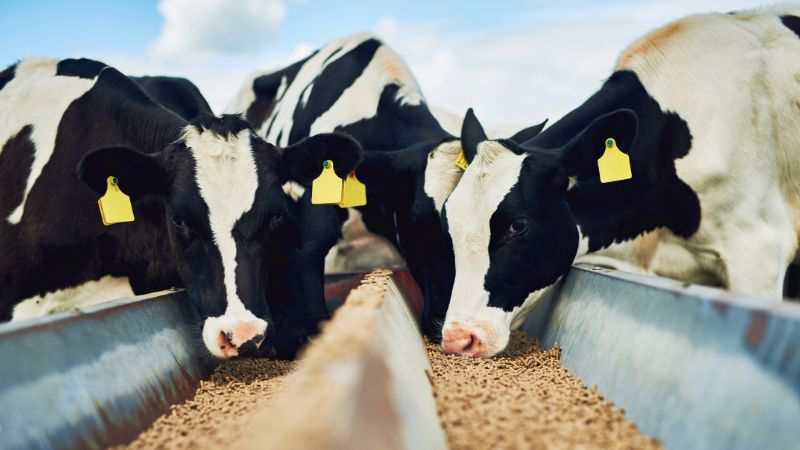
Compound Feed Production
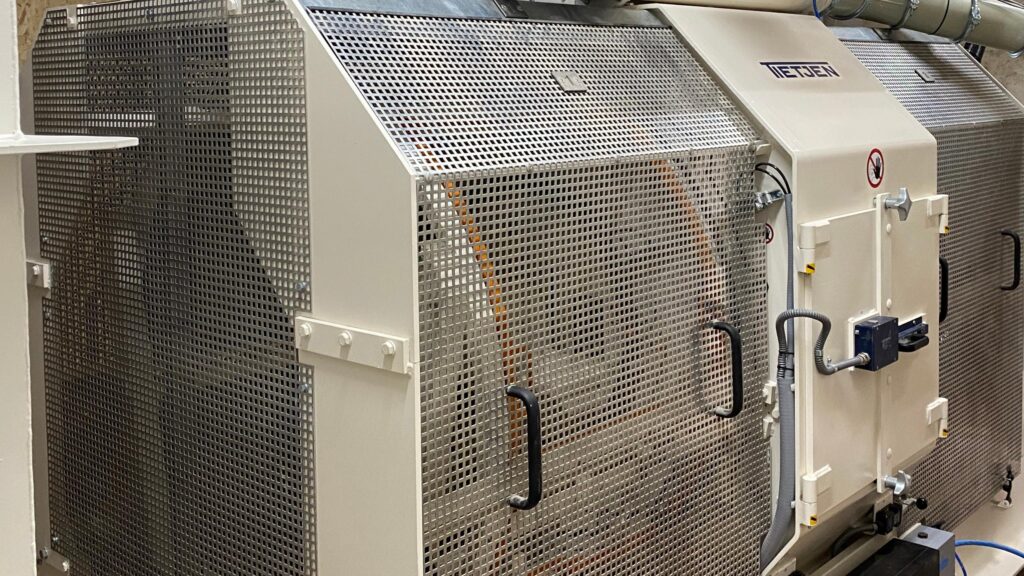
Modern hammer mills enable gentle, precise and energy-efficient grinding – flexibly adapted to any recipe and animal species. This results in high-quality feed with optimised operating costs.
Key Factors that Determine High Feed Quality
Grinding plays a key role in the production of high-quality compound feed. It has a decisive influence on
- how readily nutrients are available
- how stable pellets can be processed later on
- and how homogeneous each batch of feed turns out
Our Customers





Tell Us about Your Challenge. We´ll Find the Right Solution.
Briefly describe your requirements to us – we will listen, ask the right questions and develop a customised Tietjen solution for your application.
Why Particle Size and Grinding Structure Are Crucial
- A uniform particle size enables digestive enzymes to work more effectively and promotes optimal nutrient absorption in animals.
- Uniform grain size prevents the separation of different components and ensures consistent, reproducible feed quality.
- A suitable grinding structure improves pelletability—it increases stability and abrasion resistance and facilitates handling.
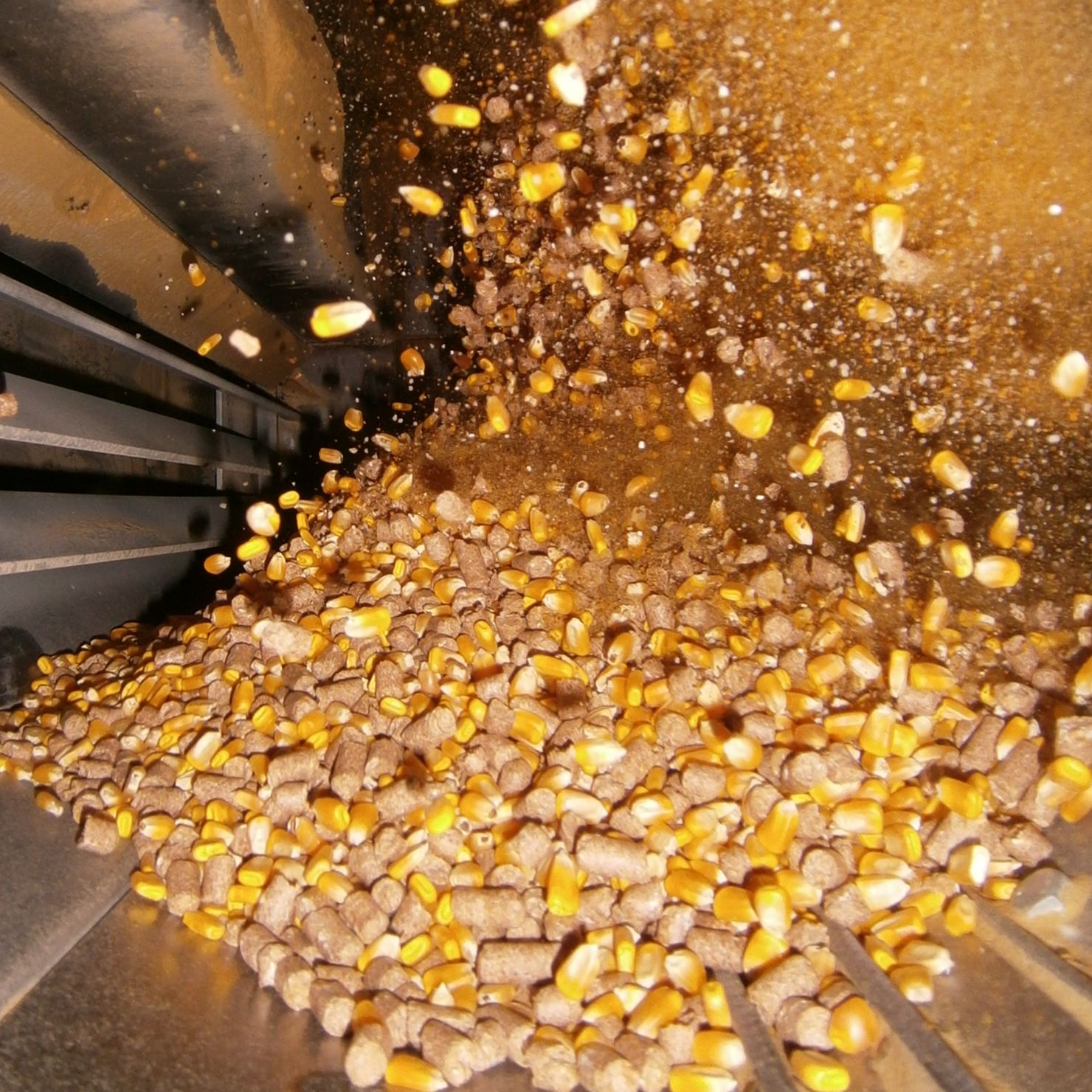
Typical Feeds
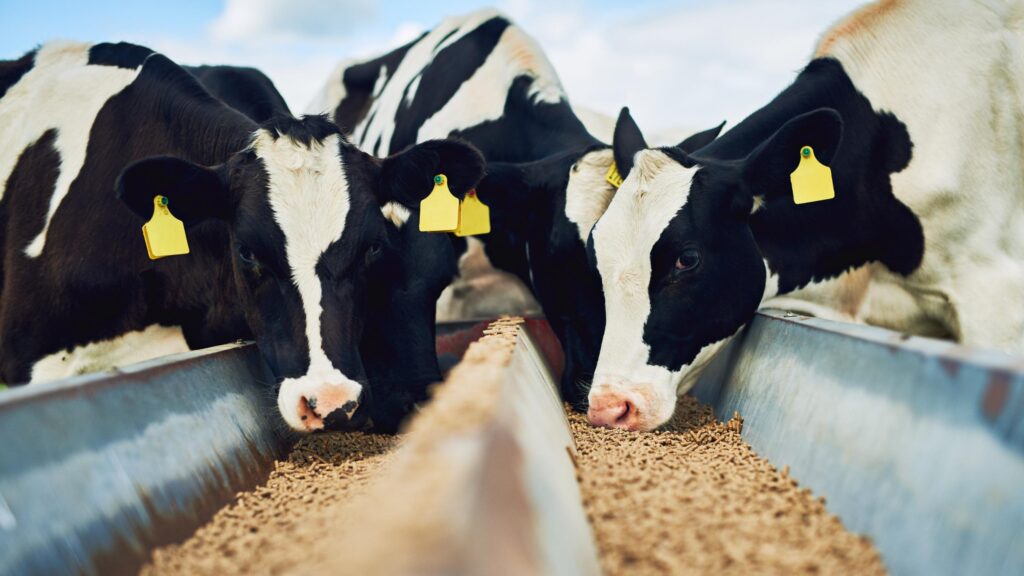
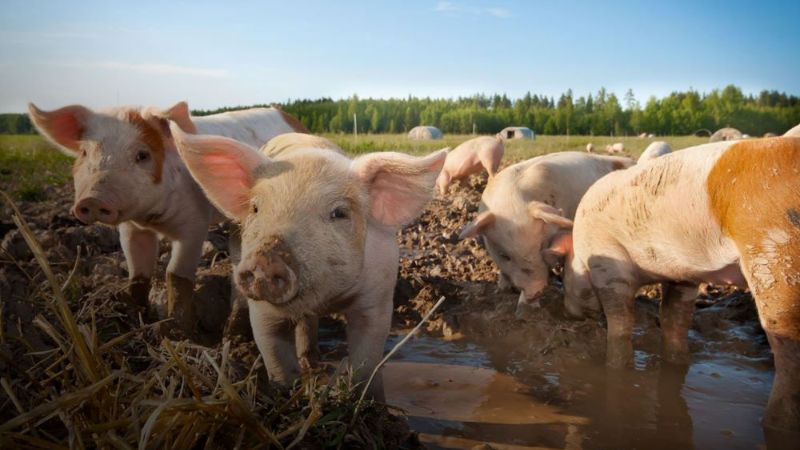
- Cattle feed, pig feed & horse feed
- Poultry feed & laying hen feed
- Feed pellets
- Grain & green fodder
- Concentrated feed & compound feed
- By-products
- Oilseeds
- Press cake
How Hammer Mills Are Optimally Designed for Compound Feed Production
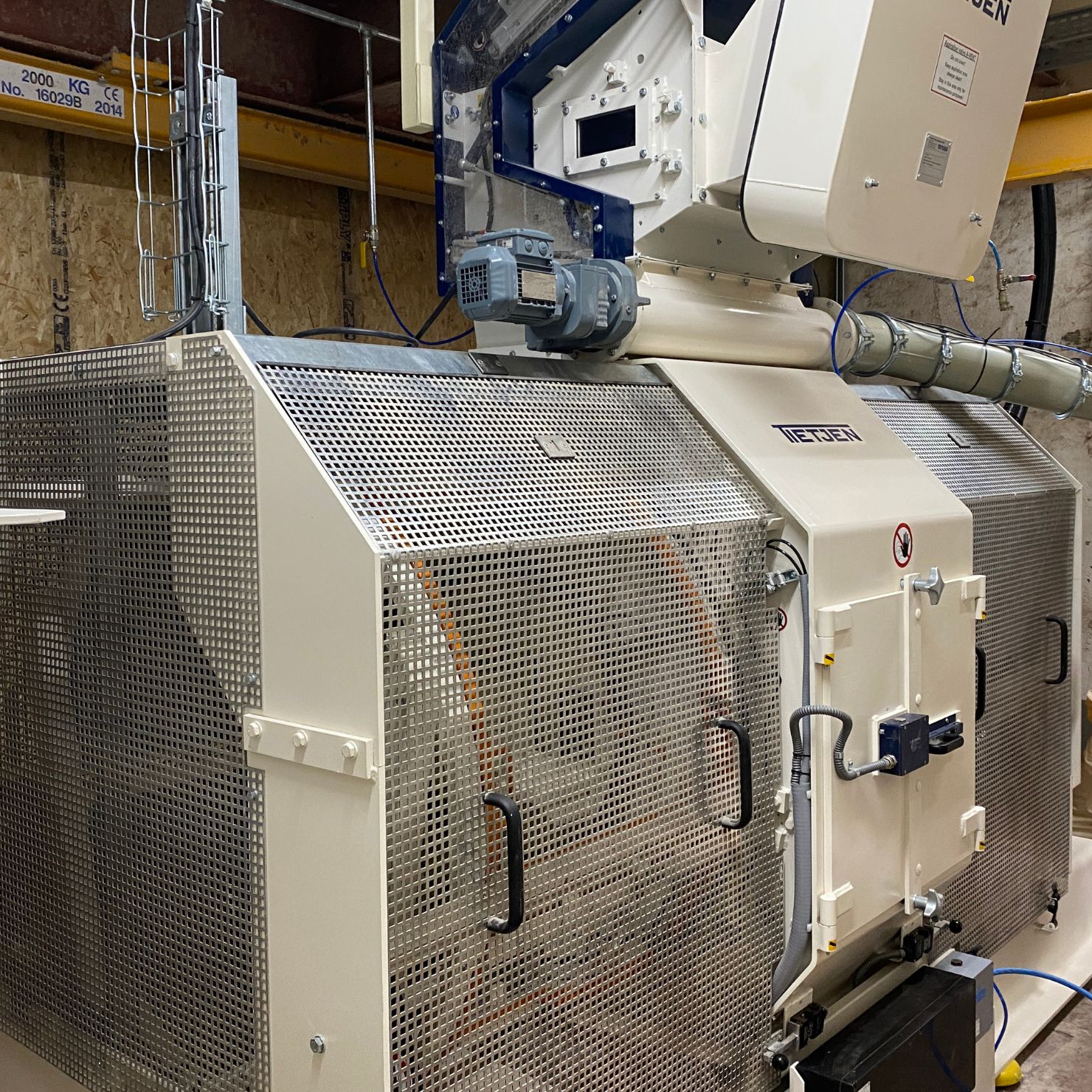
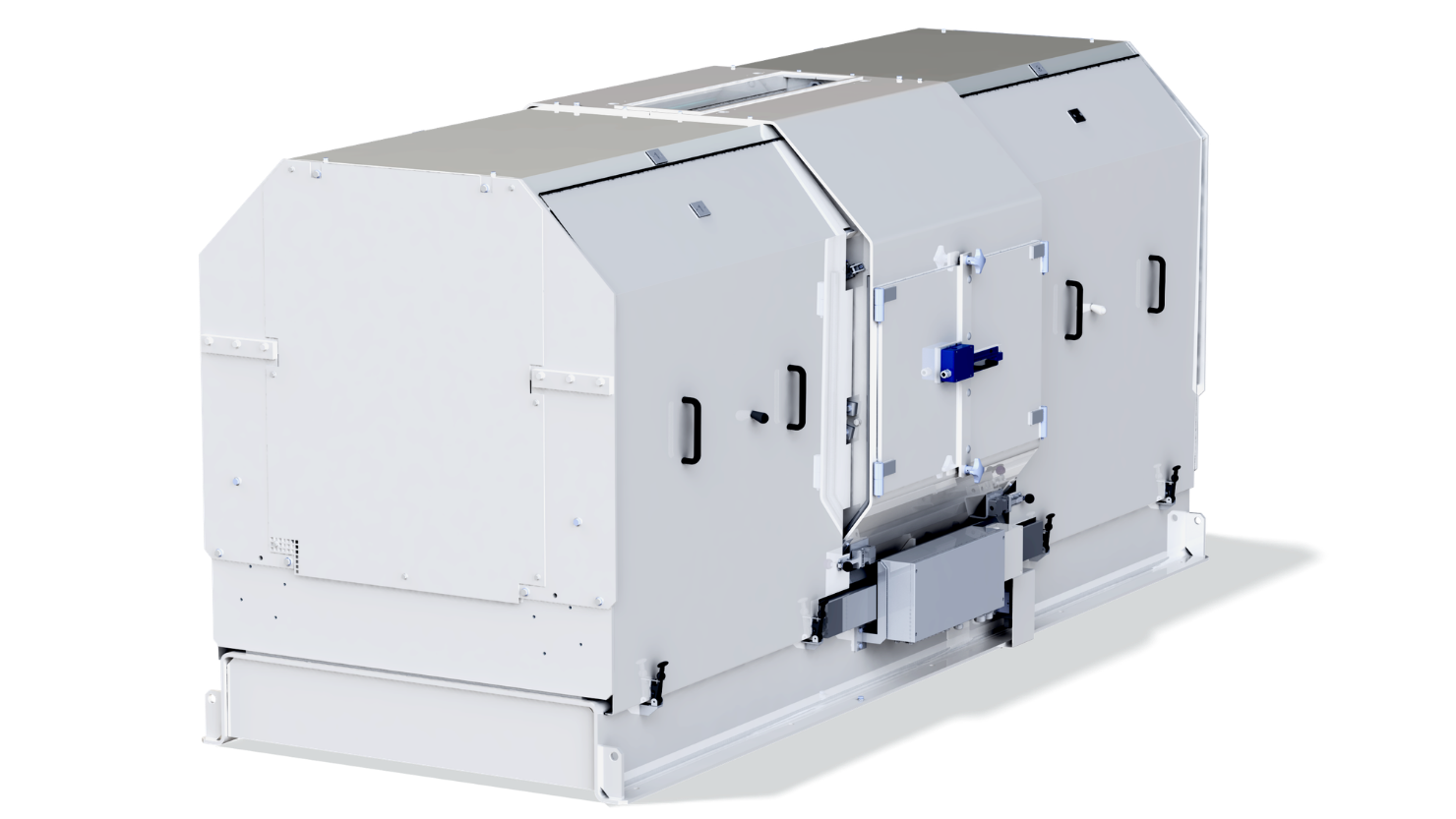
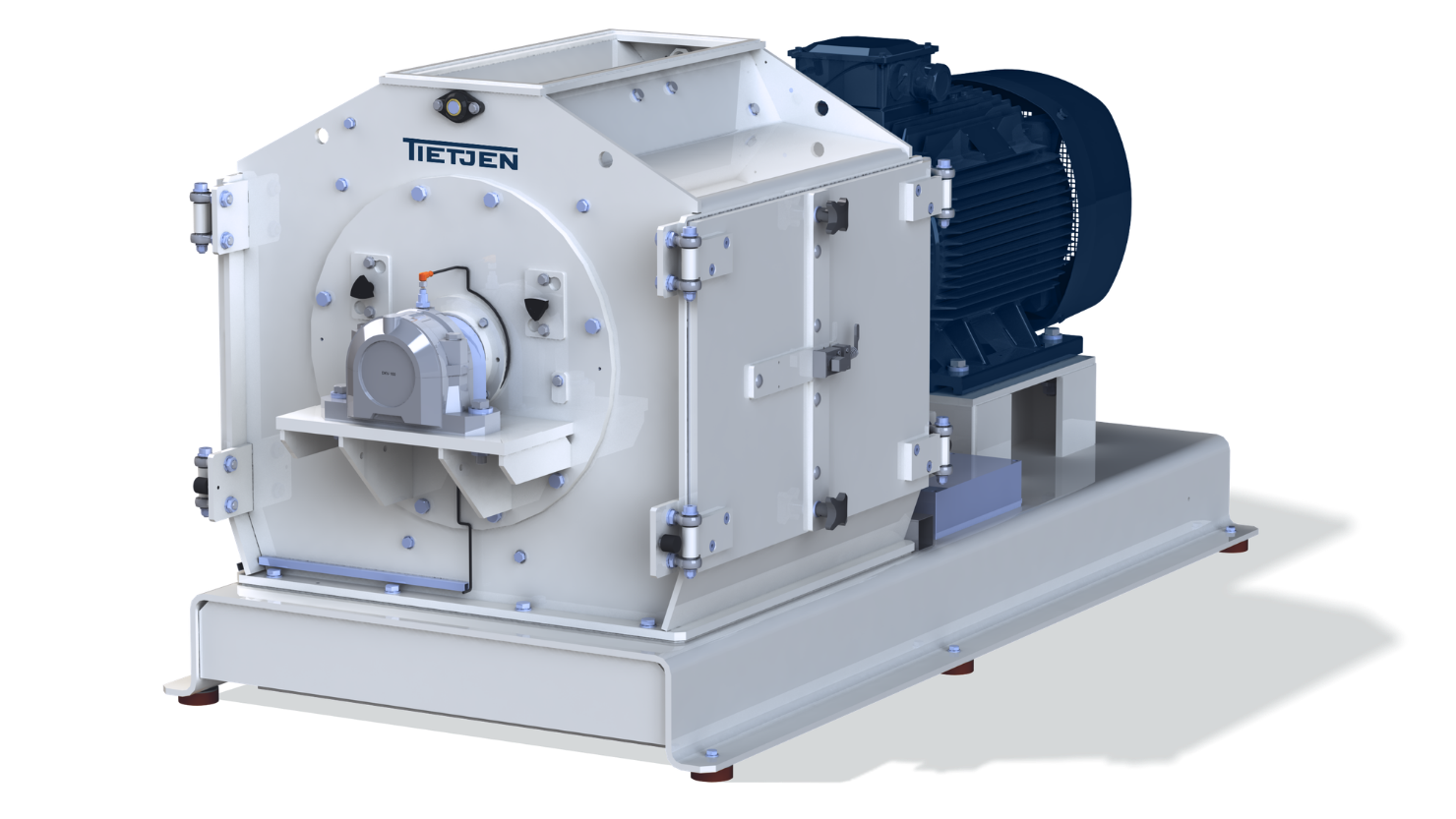
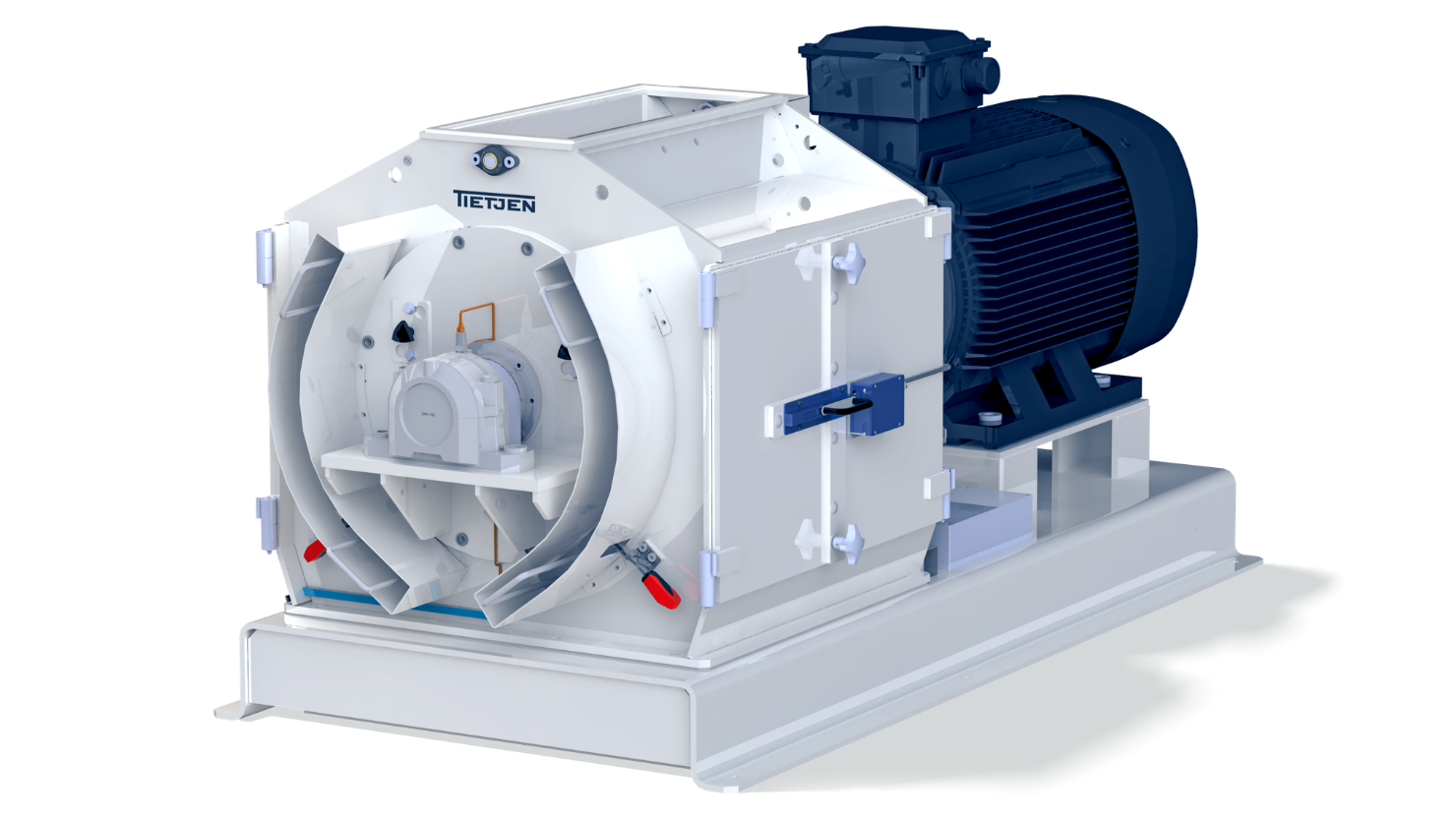
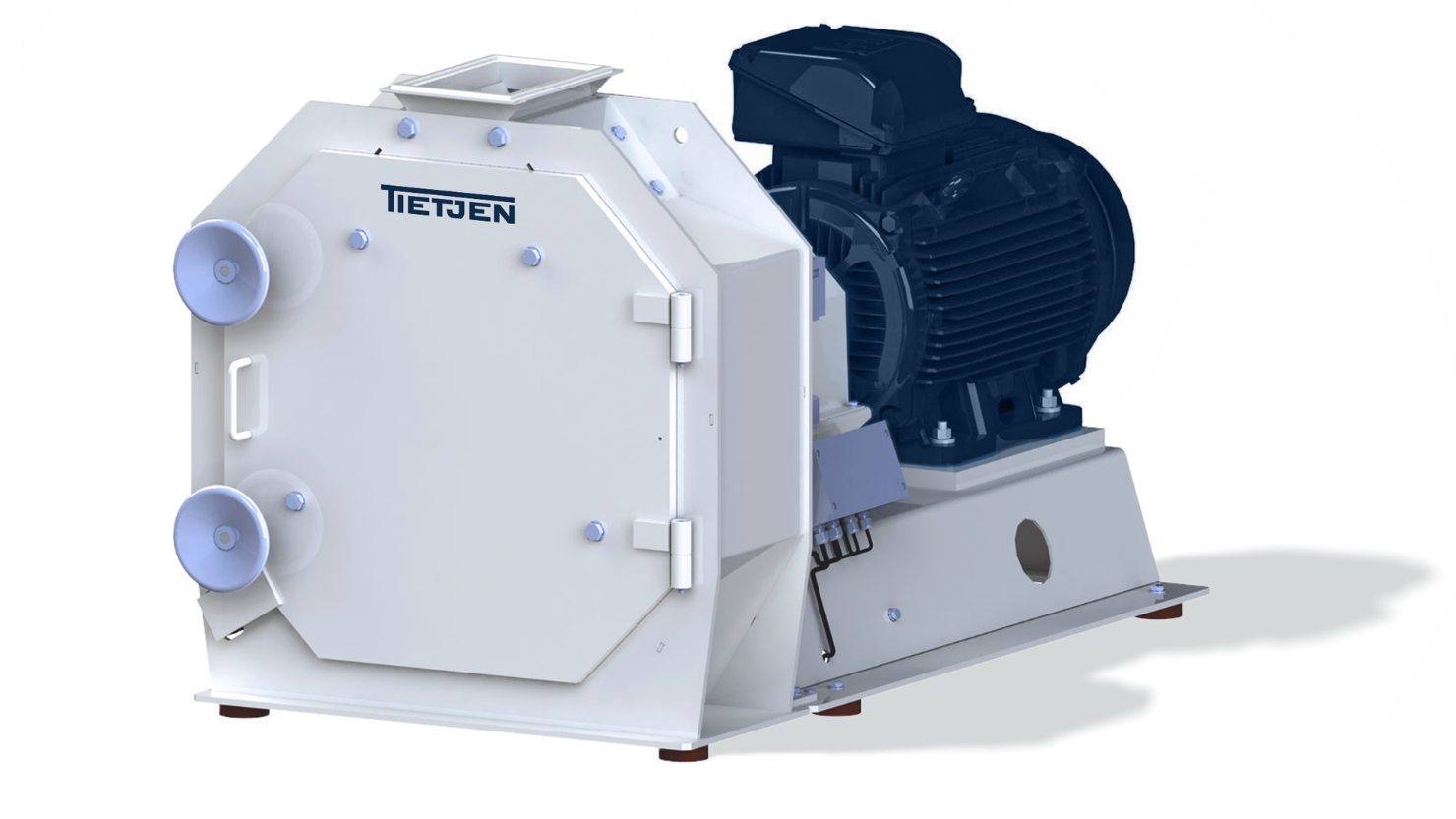
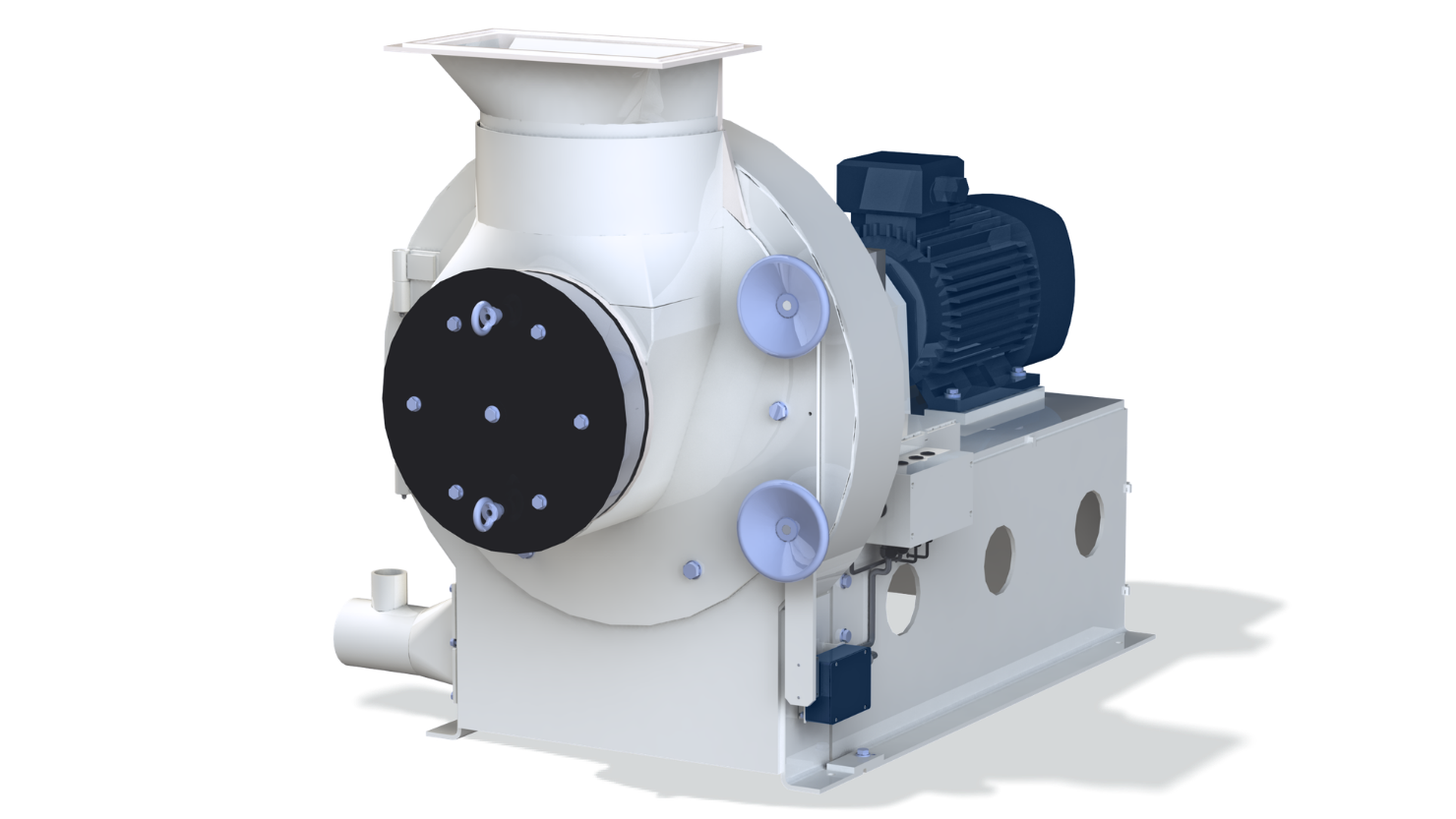
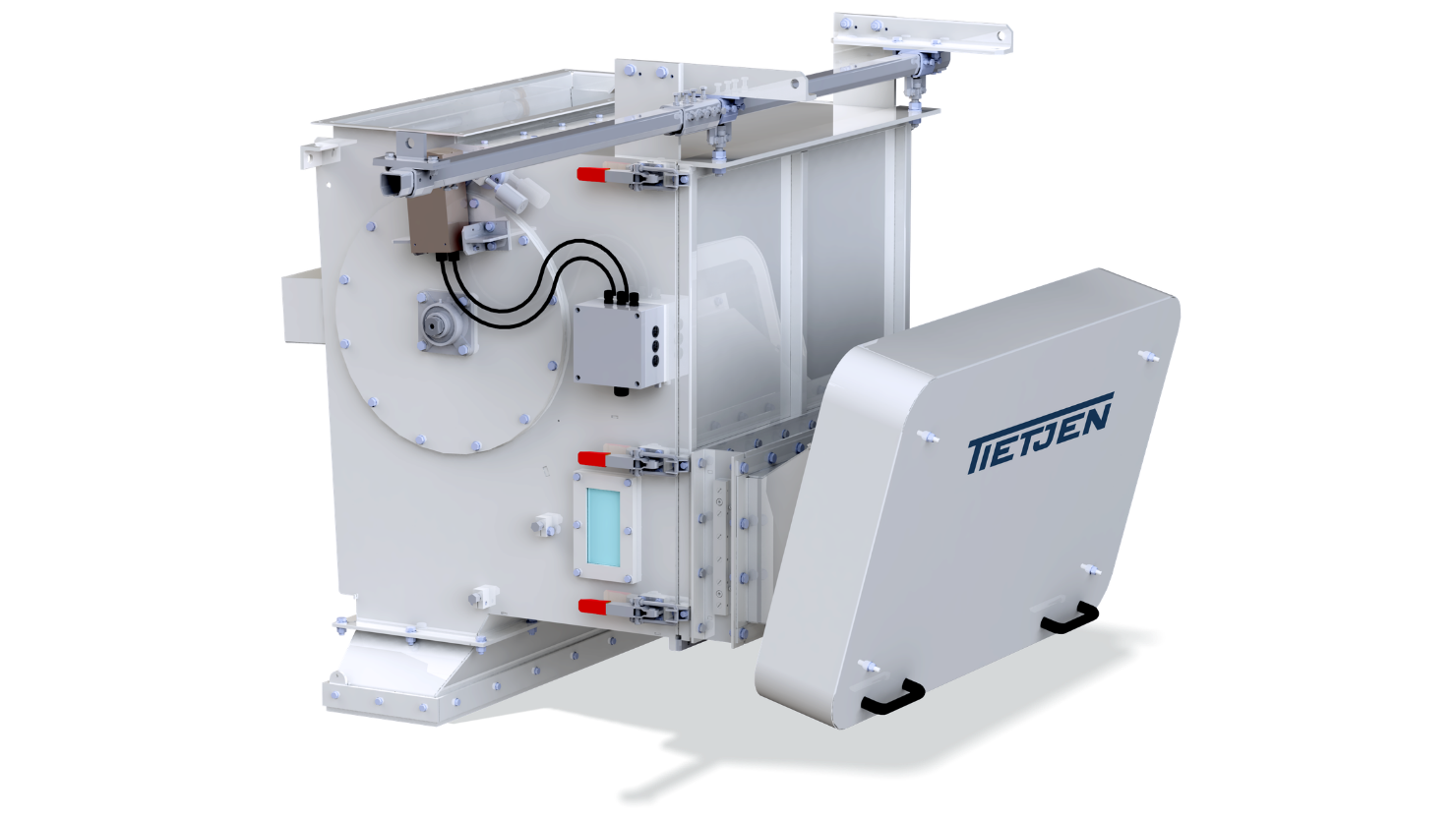
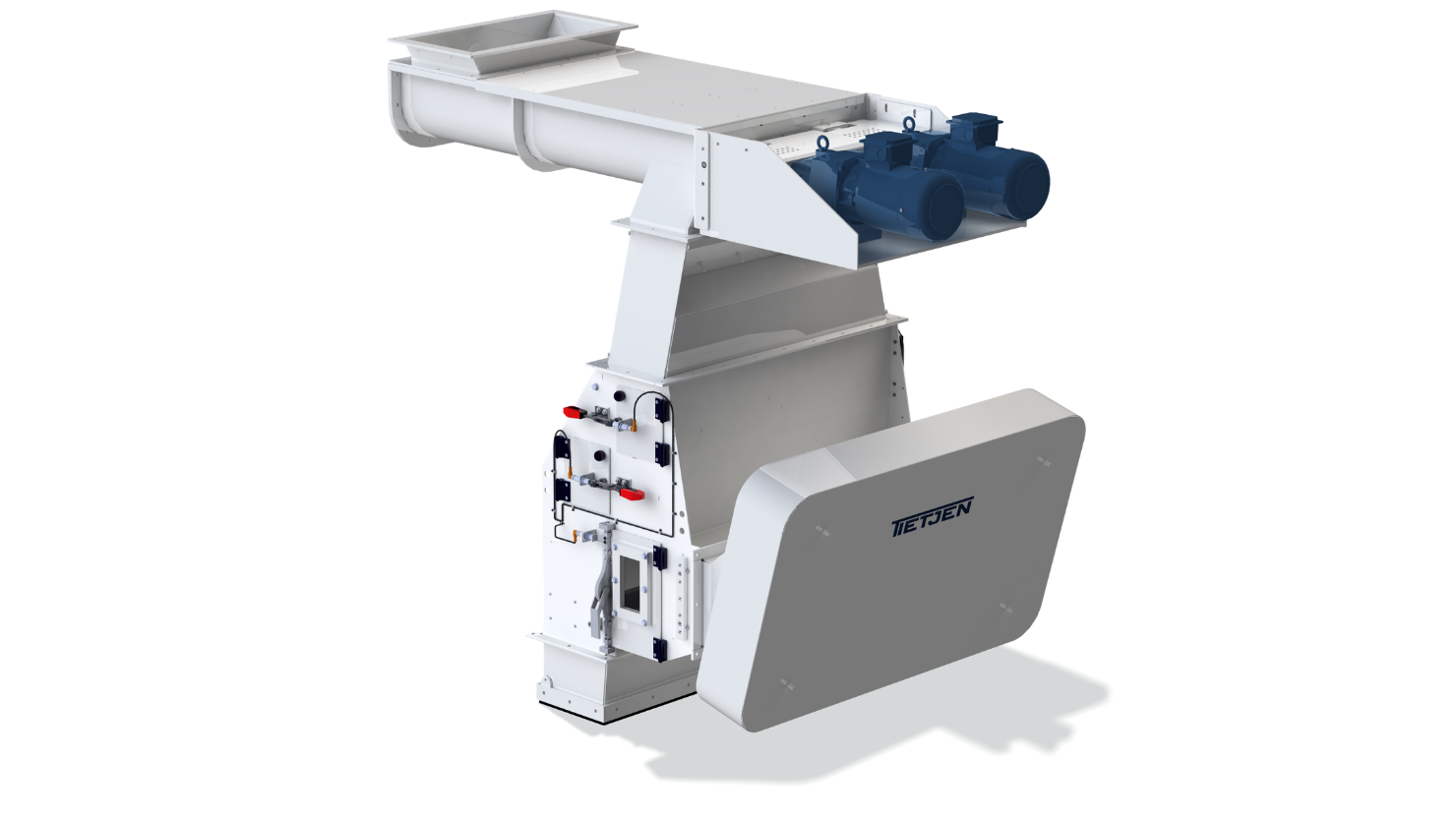
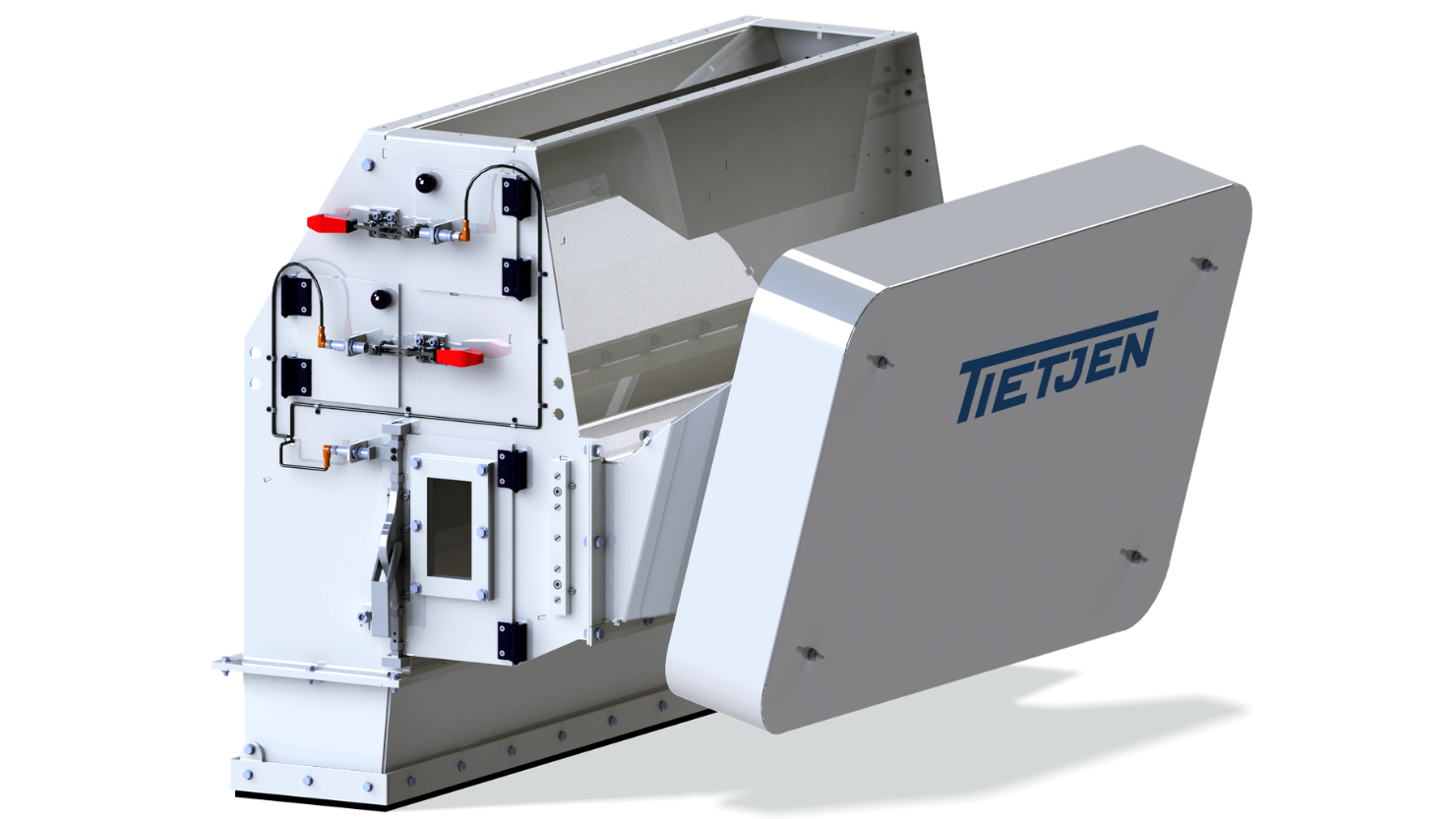
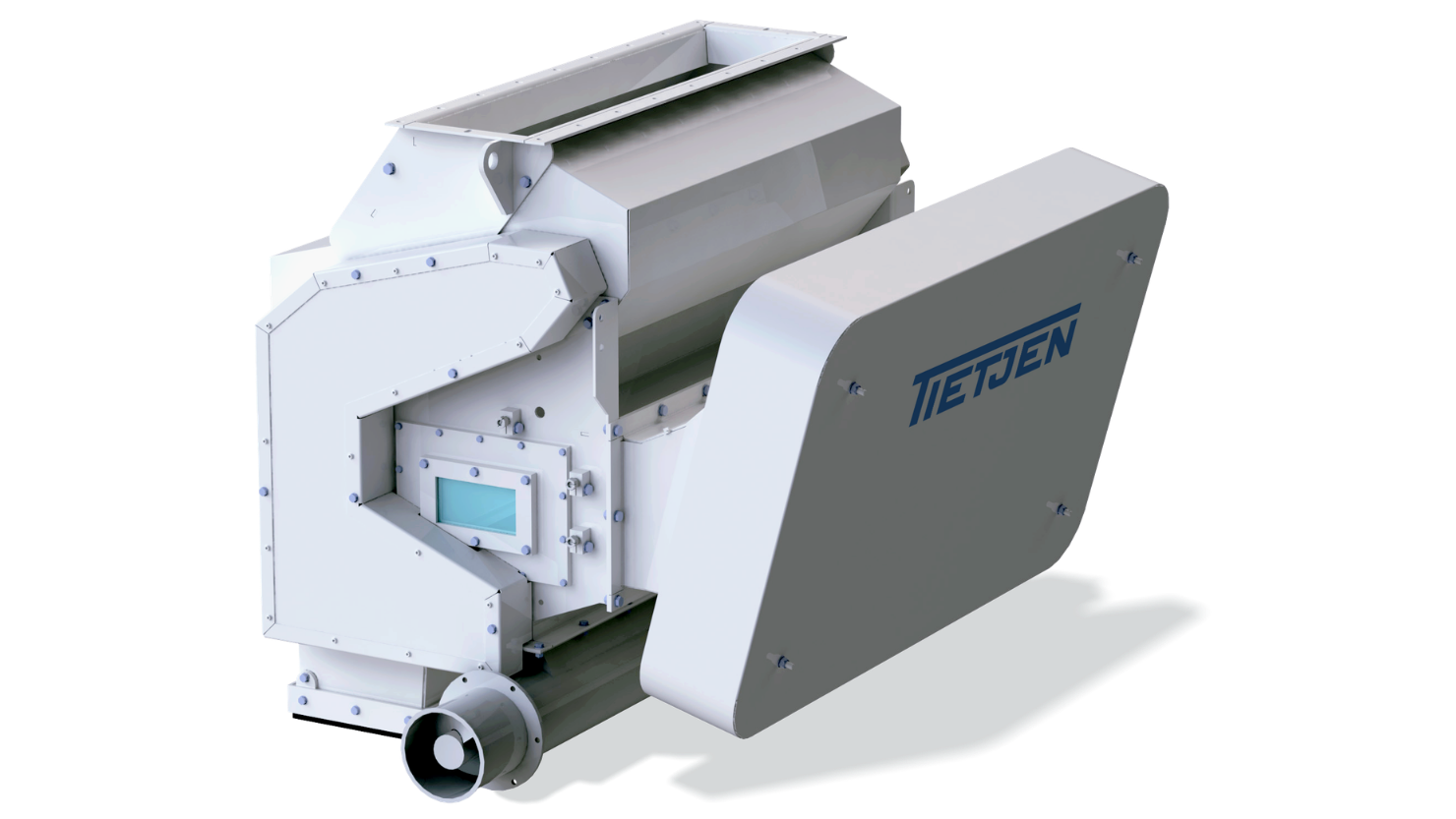
Modern hammer mills from Tietjen combine quality requirements with high cost-effectiveness. They are designed to process large throughput quantities with consistent results – and with particularly energy-efficient operation. Thanks to variable settings such as screen perforation, speed, or hammer configuration, a precisely defined grist spectrum can be produced that is individually adapted for pigs, poultry, ruminants, or laying hens.
Today, a high degree of flexibility is required in modern mixed feed production. Quick screen changes allow different recipes to be implemented without major interruptions – for example, with 3–4 mm screens for pig, broiler chicken, or cattle feed, or 6–7 mm screens for laying hen feed.




Typical Next Steps:
- Clarify requirements: We analyze your requirements and general conditions together
- Technical center trial: Trial grinding in our technical center with your material
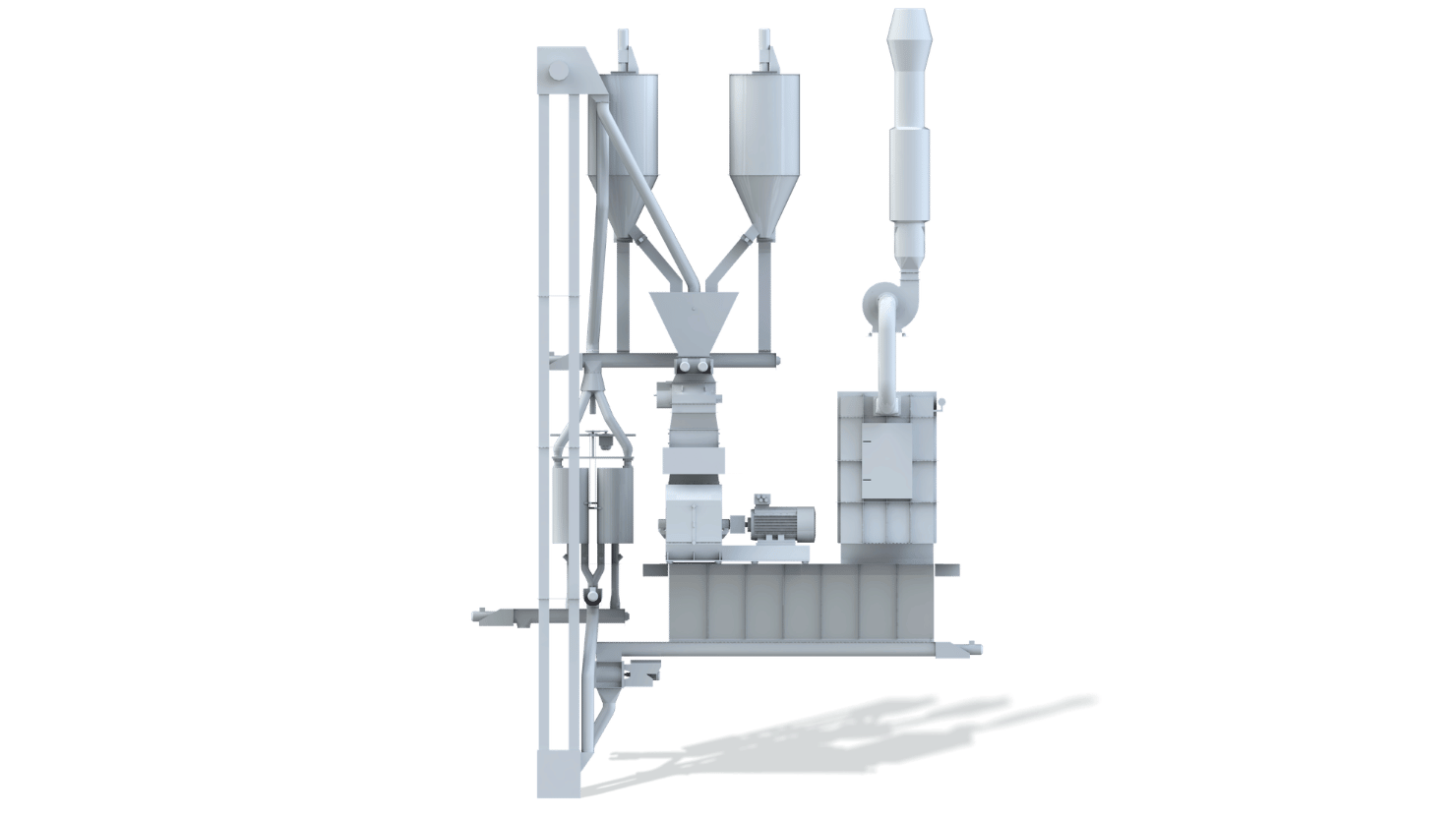
- Project planning & quotation: Development of an individual plant concept and quotation
- Implementation: Delivery, installation, and commissioning by our experts
- After sales: Long-term support, spare parts, and maintenance with guaranteed availability
Tell Us about Your Challenge. We´ll Find the Right Solution.
Briefly describe your requirements to us – we will listen, ask the right questions and develop a customised Tietjen solution for your application.